
Planting
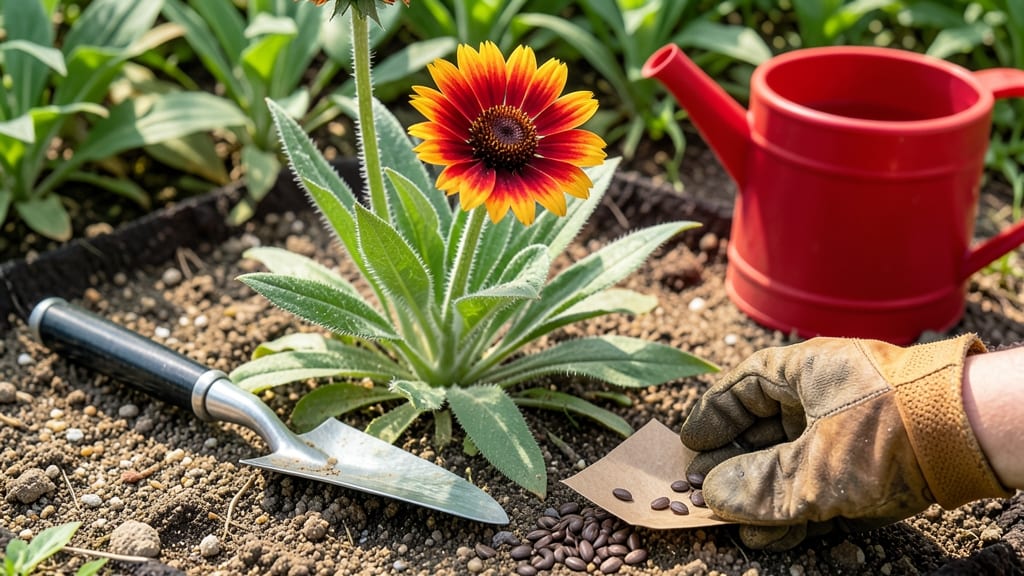
Timing when to plant blanket flower seeds wrong can mean waiting an extra season for those bold 🌼 blooms—or worse, seeds that never sprout. Since these sun-loving flowers thrive in USDA Zone 6a and beyond, planting too early risks frost damage, while waiting too long cuts your summer display short.
Most gardeners in Zone 6a should aim for April to May, once the soil warms and the last frost has passed. But what if you’re in a cooler zone or want to extend your blooms?
The key is understanding your local frost dates and whether to start seeds indoors for a head start.
In this guide, I’ll break down the exact planting windows by zone, including when to direct-sow outdoors versus starting seeds indoors. You’ll also learn how to adjust timing for earlier or later blooms—so you can enjoy 🌼 Blanket Flowers from July through September without the guesswork.
Whether you’re a first-time gardener or a seasoned pro, these zone-specific tips will help you avoid common mistakes and get your seeds off to the fastest start. Let’s make sure your Blanket Flowers put on their best show this year!
USDA Zone deadlines for planting blanket flower seeds indoors vs. outdoors
Blanket flowers (Gaillardia) thrive when planted at the right time, but their frost sensitivity means deadlines vary wildly by USDA zone. In Zone 3, you’ll start seeds indoors by March 1st to avoid frost damage, while Zone 11 gardeners can direct sow anytime after January 15th. The key? Understanding your last frost date and soil temperature thresholds (55°F+ for germination).
Direct sowing outdoors is simplest but risky in colder zones—Zone 4-6 gardeners should transplant seedlings to beat frost. Meanwhile, Zone 7-10 can often skip indoor starts entirely. Below, I’ve mapped out the critical deadlines for each zone, including when to start seeds indoors for maximum bloom potential.
🌱
For Zone 3-6, indoor
How to adjust planting timing for early or late blooms by Zone
Want to push your Blanket Flowers to bloom earlier in Zones 3-6 or extend their season in Zones 7-11? The secret lies in microclimates and strategic planting tweaks.
In colder zones, cold-hardy varieties and protective mulching can shave weeks off your wait time, while warmer climates benefit from staggered sowing and container flexibility.
For earlier blooms in frost-prone areas, start seeds indoors 8-10 weeks before your last frost date. Use grow lights to simulate long daylight hours, then transplant hardened-off seedlings 2 weeks before the average last frost. This head start can mean 4-6 weeks earlier flowers compared to direct sowing.
In Zones 7-11, focus on season extension strategies. Plant a second batch of seeds in late summer (August-September) for fall blooms, or use black plastic mulch to warm soil and encourage earlier spring germination. Container gardening also lets you move plants to sunniest spots or even indoors during heatwaves.
Zone-Specific Timing Hacks
- Zones 3-5: Start seeds indoors March 1-April 1 for early blooms. Use clear plastic domes to protect seedlings from late frosts.
- Zones 6-7: Direct sow April 15-May 1 or transplant hardened-off seedlings April 1 for July blooms. Try 'Arizona Sun' variety for heat tolerance.
- Zones 8-10: Sow seeds in late summer (August) for fall color. Use container gardens to move plants to cooler microclimates during summer heat.
- Zone 11: Plant year-round in containers with well-draining mix. Stagger sowing every 6 weeks for continuous blooms.
Cold-hardy varieties like 'Goblin' (dwarf type) can handle light frosts and bloom earlier than standard types. For extra protection, apply 2-3 inches of straw mulch around seedlings in Zones 3-5 to insulate roots and prevent soil temperature swings.
Container gardening offers flexibility for late bloomers. Use 5-gallon pots filled with cactus/succulent mix for excellent drainage. Place containers near south-facing walls to capture reflected heat, which can push blooms 2-3 weeks earlier in cooler zones.
Remember: Soil temperature matters more than air temperature. Use a soil thermometer—seeds need 60°F+ soil to germinate consistently. In Zones 3-6, wait until soil warms naturally (usually late May) or use black landscape fabric to speed up warming.