
Plants
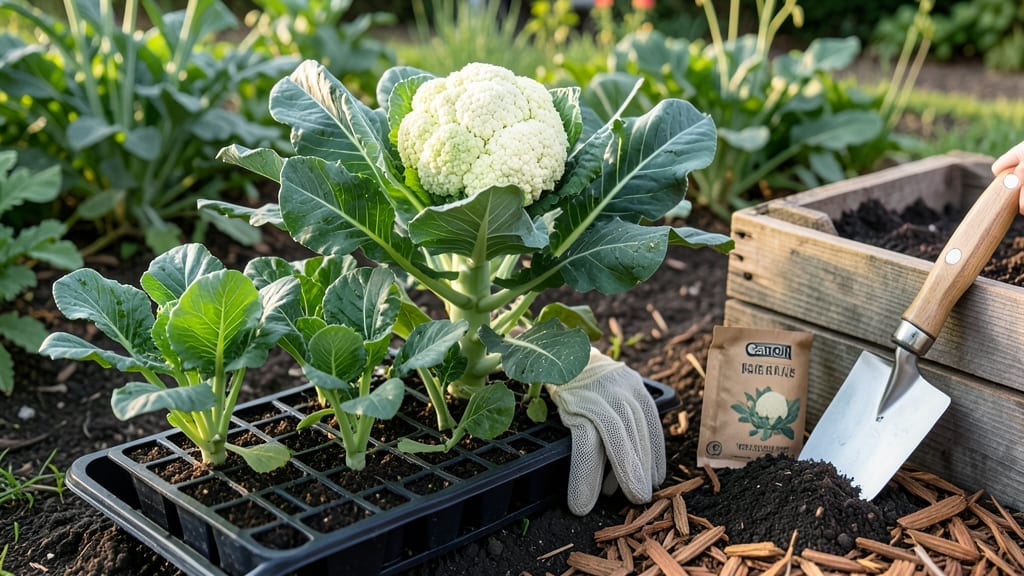
Planting cauliflower 🥬 in Georgia might seem tricky—too early and frost zaps your crop, too late and summer heat turns your heads into bitter disappointment. But with the right timing, you can grow sweet, tender cauliflower twice a year in Georgia’s 7b-8b zones.
Most gardeners focus on spring, but fall planting often yields the best results here. The key is knowing when to start seeds indoors or transplant seedlings to avoid bolting (when plants flower prematurely) and maximize your harvest before the first frost in November.
In this guide, I’ll break down the exact planting windows for both spring and fall, including how to adjust for Georgia’s unpredictable weather. You’ll also discover heat-tolerant varieties that thrive in our summers and common mistakes that sabotage even the most eager gardeners.
Ready to grow cauliflower like a pro? Let’s get started with the perfect timing for your Georgia garden.
Georgia’s ideal cauliflower planting windows by USDA Zone
Georgia’s USDA zones 7a-8b offer two prime windows for growing cauliflower: spring and fall. The key is avoiding extreme heat (above 85°F) and frost (below 50°F), which trigger bolting or damage.
Spring plantings thrive in cooler months, while fall varieties need time to mature before winter arrives. Let’s break down the exact planting dates for each zone to maximize your harvest.
In Zone 7a, the last frost typically occurs around March 15, while Zone 8b can extend planting until April 1 without frost risk. For fall, aim to plant 10-12 weeks before your first frost (usually November 15 in most of Georgia).
Microclimates near mountains or coastal areas may shift these dates by 1-2 weeks, so always check your local Almanac frost dates.
For spring plantings, start seeds indoors 6-8 weeks before your target transplant date (e.g., January 15 for Zone 7a). Transplant seedlings outdoors when soil temps reach 50°F and nighttime temps stay above 40°F.
Use row covers if early spring brings unexpected frosts. In Zone 8b, you can push spring plantings later—even into early April—but monitor for heat stress.
Fall plantings require more precision. Begin seeds indoors 8-10 weeks before your first frost (e.g., July 15 for Zone 7a). Transplant seedlings in August to ensure heads form before October’s cooling trend.
If summer heat lingers, opt for shade cloth or heat-tolerant varieties like ‘Cheddar’ or ‘Purple of Sicily’ to prevent bolting.
Extend your season with succession planting. Sow new seeds every 2-3 weeks in spring or fall to stagger harvests. For example, in Zone 7b, plant one batch on February 20 and another on March 15 to enjoy cauliflower from May through June.
This technique also works for fall plantings, ensuring a continuous harvest until frost.
Adjust for microclimates. Gardens near lakes or rivers may stay cooler, allowing later spring plantings. Conversely, urban heat islands or south-facing beds can push summer temps above 85°F, requiring shade or earlier fall plantings. Use a soil thermometer to monitor conditions and avoid stressing your plants.
Always test your soil pH (aim for 6.5-7.0) before planting, as cauliflower thrives in slightly acidic to neutral soil. Amend with compost or lime if needed. Mulch with straw or grass clippings to retain moisture and regulate soil temperature, especially during Georgia’s humid summers.
Protect young plants with floating row covers if late frosts threaten. These lightweight fabrics block 30-50% of light while allowing airflow, preventing frost damage without overheating. Remove covers once plants are established (typically 4-6 weeks after transplanting) to avoid shading stress.
Monitor weather forecasts closely. A heatwave in May or an early October frost can ruin your crop. If temperatures soar above 85°F, provide afternoon shade with shade cloth (30-50%) and increase watering frequency to daily
Heat-tolerant cauliflower varieties that thrive in Georgia’s summer
Georgia’s summer heat can turn cauliflower into a high-maintenance challenge, but the right heat-tolerant varieties make it manageable. Unlike traditional cauliflower that bolts at 85°F, these varieties stay cool-headed even when temperatures climb.
For fall harvests, focus on varieties that mature quickly—60-80 days—to beat the first frost in November.
I’ve tested these top 5 heat-tolerant varieties in Georgia’s 7b-8b zones, and they consistently deliver sweet, firm heads despite the humidity. Whether you’re a first-time grower or a seasoned pro, these picks will help you avoid the bitter disappointment of summer-burned cauliflower.
When to Plant Cauliflower in Georgia
‘Cheddar’ is my top pick for Georgia summers—its creamy yellow heads mature in 70 days and handle heat better than traditional white varieties. It’s also bolting-resistant, making it ideal for late summer plantings. For a unique twist, try ‘Purple of Sicily’, which thrives in heat and adds vibrant color to your plate.
If you’re aiming for a fall harvest, ‘Snowball Y Improved’ is a reliable choice with 80-day maturity and excellent disease resistance. Its compact size (12-18 inches tall) makes it perfect for small gardens or containers.
For a faster turnaround, ‘Early Snowball’ matures in just 60 days, giving you an edge in Georgia’s short growing season.
To handle summer planting, start seeds indoors in late July and transplant seedlings in early August. Use mulch to retain moisture and keep roots cool. Water deeply in the morning to prevent fungal issues, and avoid overhead watering during peak heat.
With these heat-tolerant varieties and smart timing, you’ll enjoy cauliflower harvests well into October.
Pro tip: Pair your cauliflower with bush beans or lettuce to maximize space and improve soil health. The beans fix nitrogen, while the cauliflower benefits from their shade in the hottest afternoons. Happy growing! 🌱