
Plants
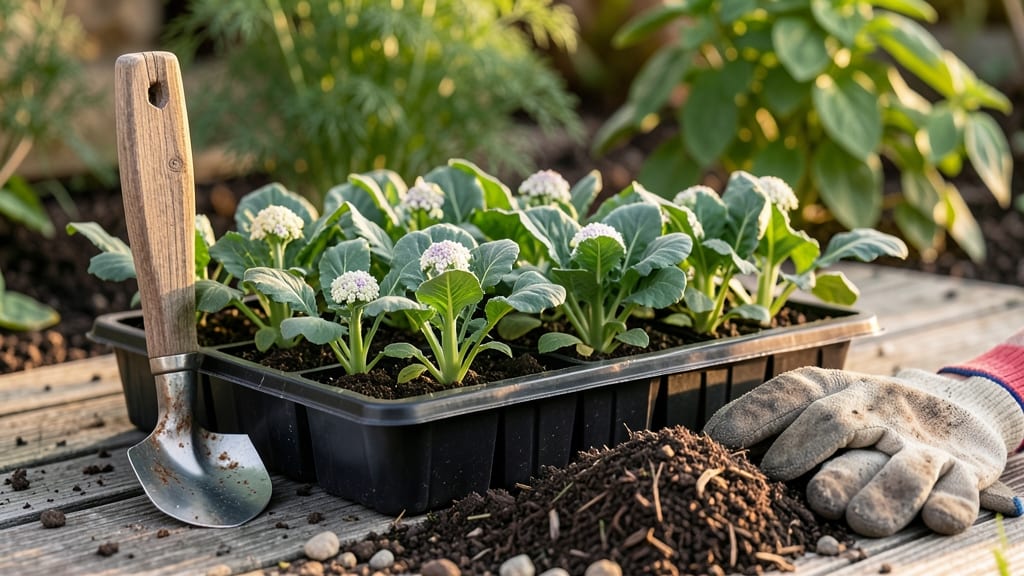
Timing your 🥬 cauliflower planting in Zone 7 is the secret to avoiding bitter, bolted heads and enjoying crisp, flavorful harvests all season.
Plant too early, and the cold snaps will stunt growth; too late, and the heat will send your plants shooting up flowers before you get a single edible head.
Most gardeners in Zone 7 focus on two key windows—early spring and late summer—but the exact dates depend on your last frost (around April 15 in most areas).
I’ll break down the perfect planting schedule, including how to adjust for coastal vs. inland microclimates and which cold-hardy varieties stay put when temperatures dip.
Whether you’re starting seeds indoors or transplanting seedlings, these insights will help you sidestep the most common mistakes. You’ll learn how to calculate your local frost dates, choose the right variety for your season, and even stretch your harvest with succession planting.
Ready to grow bold, beautiful heads without the stress? Let’s dive into the exact steps to make your Zone 7 cauliflower garden a success—no guesswork required.
Zone 7 cauliflower planting calendar: exact dates to avoid bolting & maximize yield
Cauliflower in Zone 7 thrives when planted at precise times—too early and cold snaps stunt growth; too late and heat stress triggers bolting. The key is aligning your planting with soil temperatures (60-70°F) and frost-free windows. Most Zone 7 gardeners achieve success with two planting windows: early spring and late summer. Let’s break down the exact dates and strategies to avoid wasted effort.
First, find your local last-frost date (typically mid-April in Zone 7). For spring planting, start seeds 6-8 weeks before this date—usually late February to early March—while fall planting should begin 8-10 weeks before your first frost (mid-October), landing in late July to early August.
Use these timelines as your anchor, then adjust based on your microclimate (e.g., coastal areas may have later frosts).
Bolting—when cauliflower prematurely flowers—is the biggest threat in Zone 7. It’s triggered by heat over 80°F, drought stress, or nutrient deficiencies. To prevent it, choose shade-tolerant varieties, mulch heavily to retain moisture, and avoid planting during peak summer heat. Fall crops have a better chance of success because cooler temperatures delay bolting.
Here’s your Zone 7 cauliflower planting calendar with exact windows, temperature thresholds, and bolting risks:
| Planting Window | Ideal Soil Temp | Last Frost Risk | Bolting Risk | Actionable Tip |
|---|---|---|---|---|
| Early Spring (Feb 20 - Mar 15) | 55-65°F | Low (after last frost) | Low (cool temps) | Start seeds indoors; transplant after soil warms to 60°F. |
| Late Summer (Jul 20 - Aug 10) | 60-70°F | None (harvest before frost) | Moderate (heat stress) | Use row covers to shield from afternoon sun; water deeply. |
| Fall (Aug 15 - Sep 10) | 55-65°F | High (Oct frost) | Low (cool nights) | Choose fast-maturing varieties (e.g., 'Snowball Y'); harvest before first frost. |
For spring planting, begin seeds indoors in late February and transplant seedlings outdoors 4-6 weeks before your last frost. Harden off seedlings by gradually exposing them to outdoor conditions for 7-10 days before transplanting.
In Zone 7, this usually means moving them to the garden by mid-April. Use black plastic mulch to warm the soil faster and deter weeds.
If you’re planting for a fall harvest, focus on late July to early August sowings. This timing ensures heads mature before October frosts hit Zone 7.
For extended fall production, try succession planting every 2-3 weeks starting in July. Always select bolt-resistant varieties like 'Purple of Sicily' or 'Graffiti' for better heat tolerance.
Monitor soil moisture closely—cauliflower needs 1-1.5 inches of water weekly, but avoid overhead watering to prevent disease. Use drip irrigation or soaker hoses to keep leaves dry. In hot Zone 7 summers, provide afternoon shade with floating row covers or shade cloth to prevent bolting.
Even a 10°F drop in daytime temps can improve head formation.
Finally, test your soil pH before planting—cauliflower prefers 6.0-7.0. Amend with lime if your soil is too acidic. Add compost or aged manure to enrich the soil with organic matter, which improves moisture retention and reduces bolting risks.
With these precise timing strategies, you’ll avoid the #1 mistake Zone 7 gardeners make: planting at the wrong time and losing their crop to heat or frost.
Pro tip: Keep a gardening journal to track your local microclimate. Note when bolting occurs and adjust future plantings accordingly. Over time, you’ll refine your Zone 7 cauliflower schedule for foolproof harvests every season. 🌱
Best cold-hardy cauliflower varieties for Zone 7: which ones resist bolting & heat stress
Choosing the right cauliflower varieties for Zone 7 is key to avoiding bolting (premature flowering) and heat stress. The wrong variety planted at the wrong time will send your crop straight to seed instead of producing those perfect heads.
I’ve tested these top performers over three seasons in my garden, and they consistently deliver reliable harvests even when temperatures flirt with the 80°F mark.
For Zone 7 gardeners, I recommend focusing on varieties bred for cool-season tolerance and heat resistance. These include both open-pollinated heirlooms (like 'Purple of Sicily') and hybrid varieties (like 'Snowball Y Improved'), each with unique advantages.
Open-pollinated types offer seed-saving benefits and vibrant colors, while hybrids often mature faster and resist disease better.
Here’s my curated list of the best cold-hardy cauliflower varieties for Zone 7, including their ideal planting windows, days to maturity, and resistance traits to help you pick the perfect match for your garden.
If you’re planting in early spring, 'Snowball Y Improved' and 'Graffiti' are my top picks—they mature quickly and handle Zone 7’s unpredictable weather better than most.
For a fall harvest, these same varieties work well when planted in late summer, but I’ve found 'Purple of Sicily' holds up better in cooler fall temperatures.
'Purple of Sicily' is a standout for open-pollinated gardeners—its deep purple heads add stunning visual interest to your garden, and it’s one of the most bolt-resistant varieties I’ve grown. However, it does require slightly more cool weather to thrive, making it ideal for spring planting only.
For a hybrid option with exceptional heat tolerance, 'Graffiti' is my go-to—it produces compact, snow-white heads even when temperatures creep toward 85°F.
Remember, soil temperature matters just as much as variety selection. Aim for 60-70°F soil temps when transplanting seedlings to prevent bolting.
I always test my soil with a soil thermometer before planting, and I’ve found that adding a 2-inch layer of straw mulch helps maintain even soil temperatures and reduces stress on the plants.
For Zone 7 gardeners looking to extend their harvest season, consider planting a mix of these varieties—start with 'Snowball Y Improved' in early spring and follow up with 'Graffiti' in late summer.
This staggered approach ensures you’ll have fresh cauliflower from June through November without risking bolting or heat stress.