
Plants
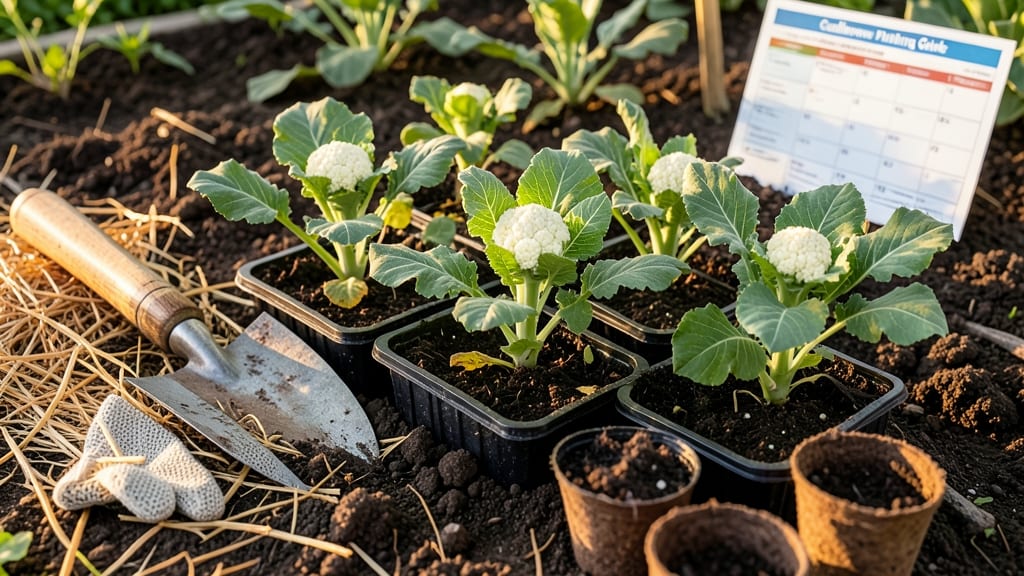
Timing your cauliflower planting just right is the difference between a bountiful harvest and a bitter disappointment. If you plant too early, frost will ruin your 🥬 heads; too late, and heat stress sends them bolting before you even get a chance to enjoy them.
For most gardeners in USDA Zone 6a (and similar climates), the sweet spot is 4-6 weeks before your last frost date—typically late March or early April.
But here's the catch: cauliflower hates summer heat, so a late summer planting (around July) can also work for a fall harvest if you're patient enough.
Whether you're starting seeds indoors or sowing directly, soil temperature matters more than calendar dates. Aim for 40-50°F—too warm, and your plants bolt; too cool, and growth stalls. I'll walk you through exactly how to time it, plus pro tips to keep your cauliflower thriving from seed to table.
Ready to grow perfect heads without the guesswork? Let's dive into the zero-bolting schedule that actually works, no matter where you garden.
Optimal planting windows by USDA hardiness zones: avoid bolting and heat stress
Cauliflower thrives in cool temperatures (45°F-75°F) but bolts when stressed by heat or frost. The right planting window ensures zero-bolting success and full heads. Your USDA Zone dictates when to start seeds indoors or direct-sow outdoors, balancing frost dates and soil temperatures.
Let’s break down the perfect timing for zones 3-11, including early vs. late planting tradeoffs.
Key factors to consider: last spring frost, first fall frost, and soil warmth (aim for 40°F+). For example, in Zone 5, you’ll plant 6 weeks before your May 15 frost date, while Zone 9 gardeners can direct-sow in September for a fall harvest.
Each zone requires seasonal adjustments to avoid heat stress or premature bolting.
Bolting prevention starts with timing. Plant too early, and seedlings suffer from cold soil or frost damage. Plant too late, and summer heat triggers flowering spikes before heads form. Below is your zone-by-zone planting guide with frost dates, soil temps, and harvest windows to maximize success.
🌱 Pro Tip: Use a soil thermometer to confirm readiness—cauliflower roots need 45°F+ soil to thrive. In cooler zones (3-6), start seeds indoors 6-8 weeks before last frost for transplants. Warmer zones (7-11) can direct-sow fall crops 8-10 weeks before first frost.
In Zones 3-6, prioritize early spring planting
How to time cauliflower planting for your local climate: beyond zones
Your USDA zone gives a starting point, but local microclimates can shift planting windows by weeks or even months. Coastal areas with mild winters might plant in February, while high-altitude gardens could delay until May to avoid early frost.
Even urban gardens tucked between buildings may stay 5°F cooler than official zone averages, extending your growing season.
Don't rely solely on calendar dates—soil temperature is your true guide. Use a soil thermometer to confirm 40-50°F readings before planting. In coastal regions, this might mean starting in January, while inland areas wait until April.
For high-altitude gardens above 5,000 feet, aim for late May to avoid late frosts that can blacken young plants.
- 1 Coastal Gardens: Plant 6-8 weeks before last frost (often January-February) due to mild winters. Use shade cloth in summer to prevent bolting.
- 2 High-Altitude Areas: Shift planting to late May-June when soil reaches 50°F. Choose early-maturing varieties (50-60 days) to finish before first frost.
- 3 Urban Microclimates: Test your spot's frost risk with a frost blanket trial. If your garden stays 10°F warmer than official zones, plant 2-3 weeks earlier.
- 4 Succession Planting: For continuous harvests, sow new seeds every 2 weeks until July. Use row covers to extend fall planting into September in cooler zones.
- 5 Soil Thermometer Rule: Never plant when soil temps exceed 80°F. In Zone 7+, this means late summer plantings must use shade or drip irrigation to prevent bolting.
For urban gardeners, container growing adds another layer. Pots heat up faster, so use black plastic mulch to stabilize soil temps and plant 1-2 weeks later than ground plantings.
If your balcony faces west, avoid direct afternoon sun—opt for partial shade varieties like 'Purple of Sicily' to prevent bolting.
Pro tip: Track your local frost-free dates for 3 years to spot patterns. I once had two late frosts in a row that ruined my April plantings—now I wait until May 1st as my new rule.
Pair this with a planting calendar that accounts for your local heat waves (check NOAA data for your area).
Remember, cauliflower loves cool weather but hates extreme heat. In Zone 9-10, focus on fall/winter plantings (September-October) and use season extenders to keep soil temps ideal. With these adjustments, you'll double your harvest without the bolting headaches.