
Planting
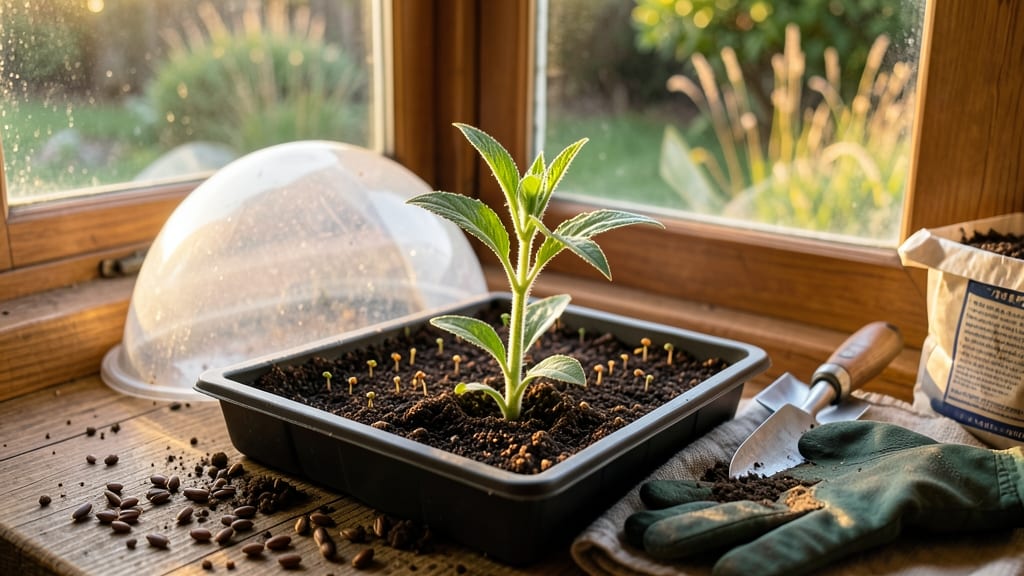
Planting your cone flower seeds 🌼 at the wrong time can mean the difference between a garden full of vibrant blooms and a season of disappointment. The key to success lies in understanding your USDA zone and waiting for that perfect window when soil temperatures and frost risks align.
For most gardeners in Zone 6a and beyond, late spring to early summer is your sweet spot—but timing varies dramatically depending on whether you're in the chilly north or warmer southern regions.
I'll walk you through exactly when to plant, whether you're direct-sowing or starting indoors, so you can avoid common pitfalls like frost damage or stunted growth.
You'll also discover how to read your local climate cues, from soil temperature checks to frost-free deadlines, so you can plant with confidence. Let's make sure your coneflower 🌼 seeds get the head start they need for a stunning summer display.
Whether you're a beginner or a seasoned gardener, these insights will help you maximize your chances of success. Ready to transform your garden with these pollinator magnets? Let's get started.
Best planting dates for cone flower seeds by USDA zone
Cone flowers (Echinacea) thrive when planted at the right time, but their ideal window varies dramatically across USDA zones 3-10.
In colder northern zones, you’ll need to start seeds indoors 8-10 weeks before your last frost date, while warmer southern zones can direct-sow as early as February.
The key is balancing soil warmth (at least 55°F) with frost risk—plant too soon and seedlings will die, too late and you’ll miss summer blooms.
Northern gardeners in zones 3-6 should focus on late spring planting (after May 1) to avoid frost, while southern gardeners in zones 7-10 can start in early spring or even late fall for winter blooms.
Cone flowers are perennials, so getting the timing right in their first year ensures robust growth for years to come.
🌱 Pro Tip: Use a soil thermometer to confirm 55°F+ soil temps before planting—cold soil delays germination by weeks. In zones 4-6, I’ve seen seeds take 3-4 weeks to sprout when planted in 45°F soil versus just 7-10 days in 60°F+ soil.
In zones 3-4, where frost lingers until mid-May, I recommend starting seeds indoors in March under grow lights. Use seed-starting mix and keep soil at 65-70°F for fastest germination. Transplant outdoors only after nighttime temps stay above 50°F consistently.
For zones 5-6, you have flexibility: either direct-sow after last frost (typically May 15) or start seeds indoors in April. I’ve found that late May plantings still produce full blooms by summer, but earlier starts give plants a 2-week head start for stronger roots.
Southern gardeners in zones 7-10 can experiment with fall planting for winter blooms. Sow seeds in September to establish roots before winter rains. In zone 10, I’ve even seen cone flowers bloom year-round with proper watering—just avoid planting during summer heatwaves (above 90°F).
One common mistake I see is planting too deep—cone flower seeds need light to germinate. Press them just 1/4" into soil, then cover lightly with fine compost. Overwatering after planting can cause seed rot, so keep soil moist but not soggy until sprouts appear.
🌿 Zone-Specific Hack: In zone 6, I mark my calendar for May 10 as the "safe sow date"—this gives me 120 days of growth before first frost. Adjust your date by 2 weeks earlier for zones 7-10 and 2 weeks later for zones 3-4.
Remember that cone flowers are drought-tolerant once established, but seedlings need consistent moisture. After planting, water daily for 2 weeks, then taper to 2-3 times per week until plants reach 6 inches tall. Mulch with straw to retain moisture and suppress weeds.
For extended blooms, consider successive planting: sow half your seeds in May and the other half in <
How to avoid common mistakes when planting cone flower seeds
Planting cone flower seeds 🌼 might seem straightforward, but small mistakes can derail your entire season. I’ve seen gardeners rush the process and end up with weak seedlings or no germination at all.
The most critical errors revolve around depth, soil temperature, and moisture management—all of which can be easily fixed with a little preparation.
One of the biggest mistakes is planting seeds too deep. Cone flowers need light to germinate, so burying them more than ¼ inch deep can smother them. I’ve learned the hard way that patience pays off—wait for the right conditions before you even think about covering those tiny seeds.
Another common pitfall is ignoring soil temperature. Cone flower seeds won’t sprout until the soil reaches at least 60°F (15°C). If you plant too early, your seeds will just sit there, waiting for warmth.
I always check the soil with a thermometer before I start—it’s a small step that saves a lot of frustration.
Here’s where many gardeners trip up: overlooking moisture needs. Cone flowers need consistent moisture to germinate, but too much water can drown them. I use a spray bottle to keep the soil evenly damp, never soggy. A clear plastic dome or row cover can help maintain humidity without overwatering.
⚠️ Critical Mistake: Planting Too Early
Problem: Cone flower seeds planted before soil warms to 60°F (15°C) will rot or fail to germinate. In USDA Zones 3-5, waiting until after the last frost date (usually late May) is essential. In Zones 6-10, aim for April to early May.
Solution: Use a soil thermometer to confirm warmth. Cover seeds with row fabric to protect from late frosts while they sprout. If your area has unpredictable springs, start seeds indoors 6-8 weeks before the last frost for a head start.
Let’s talk about seedbed preparation. Many gardeners skip this step, but cone flowers thrive in well-draining, slightly acidic soil (pH 6.0-7.0). I always mix in compost or aged manure to improve fertility and drainage.
A quick soil test can save you from guessing—it’s worth the investment for healthy seedlings.
If your seeds aren’t germinating within 2-3 weeks, don’t panic—but do troubleshoot. Check for consistent moisture, proper depth, and warm soil. Sometimes, old seeds lose viability. I keep my seeds in a cool, dry place and replace them after 2 years for the best results.
Finally, remember that patience is key. Cone flowers grow slowly at first, but once established, they’re low-maintenance and drought-tolerant. By avoiding these common mistakes, you’ll set your plants up for a bloom-filled summer that attracts bees and butterflies all season long. Happy planting! 🌿