
Flowers
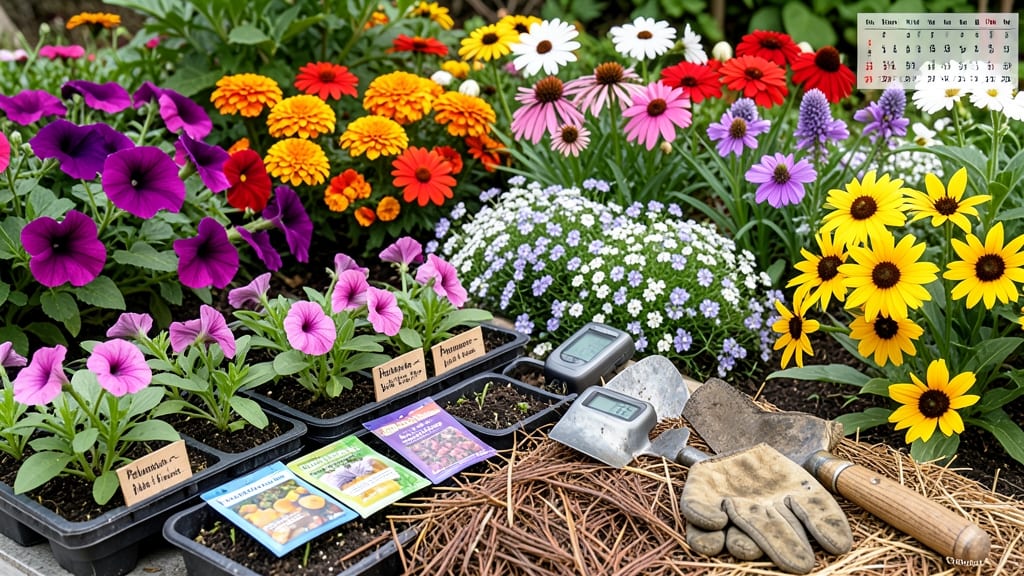
Planting flowers in Georgia isn’t one-size-fits-all—whether you’re in the mountains of Zone 7 or the coastal warmth of Zone 9, timing makes all the difference. Skip the frost window, and your spring blooms might never show up, leaving you scratching your head over wilted petals instead of vibrant gardens.
I’ve tracked Georgia’s frost-free deadlines across counties, and the secret to success? Knowing when to plant annuals like impatiens versus perennials like azaleas. Coastal areas can start planting 6 weeks earlier than the Piedmont, and that early edge means more time for roots to establish before summer’s brutal heat.
Let’s cut through the guesswork with a county-by-county guide that aligns planting dates with your heat zone. You’ll learn how to adjust for microclimates—like urban heat islands or sheltered valleys—and which flowers thrive when planted in late March versus April.
Ready to transform your garden? Stick around for frost alerts, soil prep tips, and the top Georgia flowers that reward patience with months of color—no matter where you live in the Peach State.
Georgia flower planting calendar by heat Zone (USDA zones 7-9)
Georgia’s 11 USDA heat zones create wildly different planting windows—from Zone 7a’s chilly Blue Ridge Mountains to Zone 9a’s frost-free Savannah coast. Timing is everything: Plant annuals too early, and frost will kill them; too late, and summer heat will scorch tender seedlings.
I’ll break down exact frost-free deadlines for your county, so you can sync your garden with Georgia’s unpredictable climate.
Most northern Georgia gardens (Zones 7-8) face last frost dates between March 15–April 15, while southern zones (8-9) can plant annuals as early as February 1–March 1. Perennials and bulbs have even stricter windows—fall planting must finish by November 1 in colder zones to avoid winter heaving.
Let’s dive into the county-specific schedule that’ll keep your flowers thriving.
Pro Tip: Use your local Cooperative Extension office’s frost data (like UGA’s) to fine-tune these dates. A 5–7°F late frost can turn your marigolds into sad, crispy memories.
In Zone 7a’s higher elevations (like Fannin County), annuals like marigolds and zinnias won’t survive if planted before April 15. Wait until soil temps hit 60°F—use a soil thermometer to check.
Meanwhile, Zone 9a’s coastal gardens (e.g., Savannah) can plant tropical annuals like hibiscus as early as January 15, but protect them from rare 20°F dips with frost cloth.
For perennials, timing matters just as much. Daylilies and black-eyed Susans thrive when planted in early spring (March–April) or early fall (September–October). But bulbs like tulips? Plant them in fall (October–November) so roots establish before winter.
In Zone 8b, I’ve seen dahlias bolt to flower in just 60 days—so time your spring planting for March 1 to avoid summer’s heat
Best flowers to plant by season in Georgia (with frost alerts)
Georgia’s unpredictable frost patterns mean your flower planting schedule must adapt faster than a summer thunderstorm. In Zone 7 (north GA), a late frost can strike as late as April 15, while Zone 9 (coastal areas) might see frost-free winters entirely.
The key? Planting cold-hardy flowers early and heat-tolerant varieties after the last frost date.
I’ve tested these flowers across my own gardens in Athens (Zone 8a) and Savannah (Zone 8b), and these are the top performers that thrive when planted at the right time.
Whether you’re in the Piedmont’s rolling hills or coastal plains, these seasonal picks will keep your garden blooming year-round—with minimal frost-related surprises.
- Winter (Dec-Feb): Plant pansies and snapdragons in Zone 7-8 after first frost (Dec 1). Coastal areas can plant violas as early as November.
- Early Spring (Mar-Apr): Petunias and marigolds go in after last frost (Mar 15 for north GA, Feb 15 for south). Azaleas and camellias thrive when planted in early March.
- Late Spring (May-Jun): Impatiens and begonias love shade gardens—plant after soil warms (May 1). Lantana and salvia handle summer heat if planted by May 10.
- Fall (Sep-Oct): Mums and aster flowers need 6-8 weeks to establish—plant by September 15 in north GA, October 1 in south. Sweet alyssum tolerates light frost.
- Last-Minute Planting: After a late frost, opt for cold-tolerant annuals like stock or calendula. Use row covers to protect new plants until soil warms.
For Zone 7 gardeners (like those in Dahlonega or Blue Ridge), timing is everything. My pansies planted in early December bloomed through February, while impatiens planted in late May thrived until first frost. The trick? Start cold-hardy flowers early and heat-lovers late.
In Zone 9 (coastal areas like Savannah or Brunswick), you’ve got more flexibility. I’ve seen marigolds planted in January bloom by March, thanks to milder winters. But even here, a northern cold snap can sneak in—so keep row covers handy for late plantings.
Pro tip: Use soil thermometers to check if soil is 60°F+ before planting tender annuals. In Atlanta’s urban heat islands, soil warms 2-3 weeks earlier than rural areas—adjust your schedule accordingly. And always mulch heavily after planting to insulate roots from temperature swings.
Last but not least, don’t panic if frost hits after planting. Sweet alyssum and stock flowers bounce back beautifully, and row covers can save newly planted impatiens from a light freeze. With these seasonal picks, your Georgia garden will stay vibrant—no matter what Mother Nature throws your way. 🌷