
Flowers
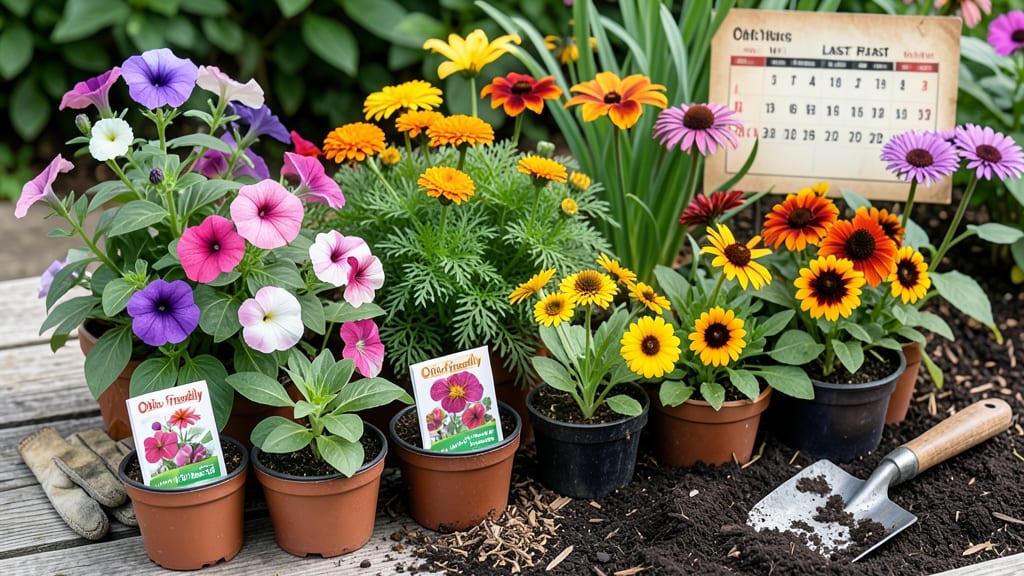
When to plant flowers in Ohio isn’t guesswork—it’s the difference between a showstopping garden and a sad, frost-nipped disappointment. With last frost dates swinging from mid-April in southern Ohio to late May in the northern reaches, planting too early or too late can leave your blooms struggling to survive. The key? Knowing your zone's exact window for cool-season and warm-season varieties.
I've spent years tracking Ohio's frost patterns, and what I've learned is that spring planting for annuals like petunias and marigolds should wait until soil temperatures hit 60°F—usually around late April to early May.
But here's the game-changer: perennials and bulbs often thrive when planted earlier, even in March, as long as you protect tender shoots from late frosts. Let me show you exactly when to plant each type for zero-frost blooms all season long.
Fall planting is equally critical—think tulips and daffodils going in the ground 6-8 weeks before your first frost, which in Ohio typically lands between mid-October and early November. The secret lies in understanding how your specific USDA zone (like 6a) affects these deadlines.
Whether you're in Columbus or Cleveland, I'll break down the exact months to plant for maximum impact.
Ready to transform your Ohio garden into a year-round floral masterpiece? Let's dive into the zone-specific deadlines that'll have your flowers blooming like clockwork—no more frost surprises, just vibrant color from spring to fall.
Ohio’s frost dates by Zone: critical planting windows for annual flowers
Ohio spans USDA Zones 5b to 6b, meaning frost dates vary by just a few weeks from north to south. In Zone 5b (northwest Ohio), the average last frost arrives around May 1-15, while Zone 6b (southern Ohio) typically sees its last frost by April 15-30.
These dates determine whether your petunias, marigolds, or zinnias will thrive—or get fried by surprise frost.
Annual flowers fall into two categories: cool-season bloomers (like pansies and snapdragons) and warm-season stars (like sunflowers and cosmos). Cool-season flowers can handle light frosts and often bloom earlier, while warm-season varieties need consistent warmth (soil temps above 55°F) to germinate.
Planting too early risks frost damage, but waiting too long cuts your bloom time short.
To simplify, I’ve created a zone-specific planting calendar below. Use it to match your Ohio location with the best planting windows for your favorite annuals. Pro tip: Hardened transplants (like those from garden centers) can handle cooler temps better than seeds, so prioritize them for early plantings.
| Zone | Last Frost Date | First Frost Date | Cool-Season Flowers (Plant) | Warm-Season Flowers (Plant) |
|---|---|---|---|---|
| 5b (NW Ohio) | May 1-15 | Oct 15-30 | March 15-April 15 | May 15-June 15 |
| 6a (Central Ohio) | April 15-May 1 | Oct 1-15 | March 1-April 1 | May 1-June 1 |
| 6b (South Ohio) | April 1-15 | Oct 15-30 | Feb 28-April 1 | April 15-May 15 |
For Zone 5b gardeners, early-spring varieties like snapdragons and stock can go in as early as March 15, but wait until May 15 for heat-lovers such as lantana or portulaca.
In Zone 6b, you can push marigolds and zinnias into the ground by April 15, giving them a head start on summer blooms.
If you’re unsure about your exact frost dates, use the 50% probability rule: Plant when only 50% of years have seen frost after that date. For example, in Columbus (Zone 6a), the last frost is April 20 on average—but some years, it hits May 10.
To hedge your bets, keep row covers handy for late-May plantings of warm-season flowers.
Don’t overlook late-summer bloomers like cosmos or celosia, which can handle light frosts if planted by July 1. These varieties extend your colorful season well into fall, even after the first frost.
For Zone 5b, aim for July 15 to avoid early frosts cutting their season short.
To maximize blooms, pair early cool-season flowers (like pansies) with late-summer warm-season varieties (like sunflowersnonstop floral display from spring to frost. For example, plant pansies in March and sunflowers in June—their overlapping bloom times ensure your garden never looks bare.
Ohio’s first frost typically arrives between October 1-15, depending on your zone. Use this timeline to plan fall plantings of cool-season annuals like kale or ornamental cabbage, which thrive in cooler temps.
These can be sown as early as August 15 in Zone 6b or September 1 in Zone 5b.
Remember: Soil temperature matters more than air temperature. Use a soil thermometer to confirm 55°F+ for warm-season flowers.
Best flowers to plant by month in Ohio: a month-by-month survival guide
Ohio’s spring planting season kicks off in March, but not all flowers are ready for action. Cool-season perennials like bleeding hearts and lungwort can handle early planting, while annuals like pansies and snapdragons thrive in cooler temps.
I’ve planted these in late March with row covers to protect against late frosts—trust me, it works!
By April, soil warms enough for warm-season annuals like marigolds and zinnias, but wait until after the last frost date (usually mid-April in southern Ohio). Bulbs like tulips and daffodils planted in fall will burst into bloom this month, while perennial seeds like black-eyed Susans can go in after soil reaches 60°F.
Here’s your month-by-month cheat sheet for Ohio’s best blooms, including frost-resistant picks and heat-tolerant varieties:
May is prime time for heat-loving annuals like cosmos and sunflowers, which thrive in Ohio’s summer heat. I’ve seen black-eyed Susans planted in May bloom until first frost—just mulch well to retain moisture. For perennials, divide peony and daylily clumps in early May for a second-year bloom boost.
June might feel late, but it’s perfect for tender perennials like dahlias and gladiolus. Start these from indoor seeds in May, then transplant after the last frost. Heat-tolerant annuals like lantana and verbena also shine in June, adding late-summer color when other flowers fade.
Pro tip: Mulch newly planted flowers in May-June to lock in moisture and fend off weeds. I’ve used straw mulch around my zinnias and seen them thrive through Ohio’s humid summers—no wilting in sight! 🌻