
Flowers
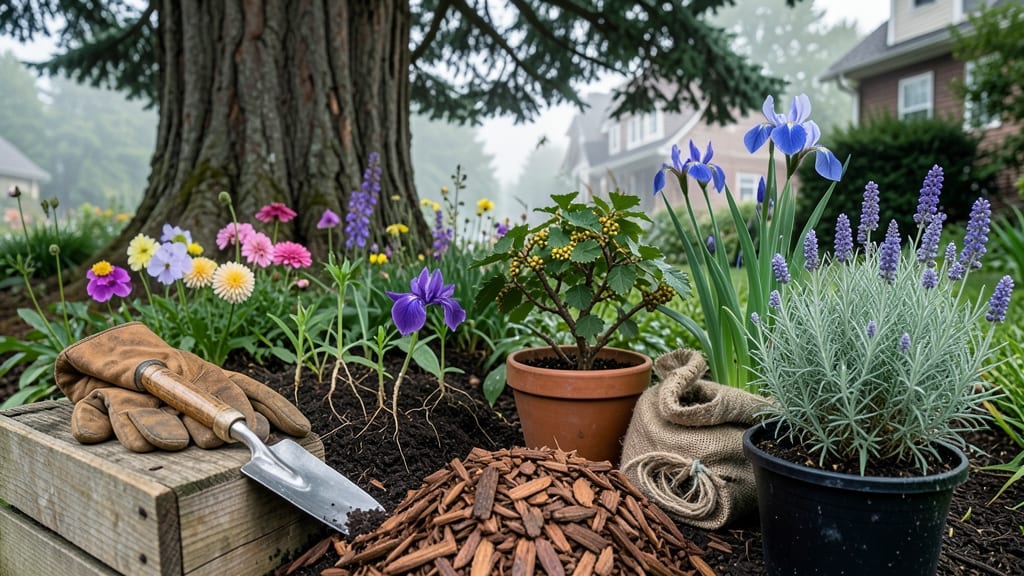
Timing when to plant flowers in Portland, Oregon just right is the secret to a garden that bursts with color from spring to fall—without ending up with frost-nipped petals or leggy, weak stems.
With USDA Zone 8a's unpredictable frost dates (think late April or even May), getting those bulbs and seedlings in the ground at the perfect moment makes all the difference.
I’ve spent years testing what works in this damp, mild climate, and the results? Vibrant blooms for months, not just a few weeks.
Here’s the game-changer: Portland’s two key planting windows—spring (March–May) and fall (September–October)—are your best bets, but the devil’s in the details. Cool-season flowers like pansies and snapdragons love the early spring soil, while heat-tolerant zinnias and marigolds need to wait until after the last frost.
And let’s not forget bulbs, which should go in the ground in fall to naturalize beautifully by next spring.
What most gardeners miss? Microclimates matter—your neighbor’s West Hills garden might be frost-free weeks earlier than your Eastside yard. I’ll break down exactly when to plant, which flowers thrive in Portland’s wet springs and mild winters, and how to protect your blooms from late frosts.
Ready to turn your garden into a year-round showstopper?
From frost-resistant annuals to perennials that bounce back after winter, you’ll learn the precise timing, soil prep, and even a few hacks to extend your blooming season. Let’s get those 🌸 planted right—so you’re not left with wilting dreams by June.
Portland’s frost-free planting windows: exact dates for annuals, perennials, and bulbs
Portland’s USDA Zone 8b climate offers a 165-day frost-free growing season, but timing is everything. The average last frost hits between April 15–May 1, while the first frost typically arrives October 15–November 1.
These dates mark your planting windows—but microclimates like the West Hills (warmer) or Eastside (cooler) can shift them by weeks. For example, Sauvie Island often warms up 1–2 weeks earlier than downtown Portland.
Cool-season flowers like pansies and snapdragons thrive in Portland’s mild spring and fall, while warm-season favorites such as marigolds and zinnias need to wait until after the last frost.
Bulbs like tulips and daffodils should be planted in fall (September–October) to bloom early spring. Misjudging these windows can leave your garden struggling with frost damage or bolting (premature flowering).
| Plant Type | Ideal Planting Months | Frost Tolerance | Notes |
|---|---|---|---|
| Cool-Season Annuals | March–April, September–October | 28°F–32°F | Pansies, snapdragons, sweet alyssum |
| Warm-Season Annuals | May–June (after last frost) | 32°F+ | Marigolds, zinnias, petunias |
| Spring-Blooming Bulbs | September–October (fall) | 20°F–25°F | Tulips, daffodils, hyacinths |
| Summer-Blooming Bulbs | March–April (spring) | 32°F+ | Dahlias, cannas, gladiolus |
| Perennials (Hardy) | March–May, September–October | 10°F–20°F | Coneflowers, bee balm, lavender |
| Tender Perennials | May–June (after frost) | 32°F+ | Salvias, agastache, crocosmia |
For cool-season flowers, start seeds indoors in February or plant transplants in early March. These varieties handle Portland’s chilly springs and even light frosts. Warm-season flowers, however, must wait until after May 1—planting too early risks frost damage or stunted growth.
Use row covers or cold frames to extend your warm-season window if needed.
Bulbs are a Portland gardener’s secret weapon. Plant spring-blooming bulbs like tulips in fall (September–October) to ensure they naturalize and return year after year. Summer-blooming bulbs, such as dahlias, can be planted in spring (March–April) once the soil warms.
Pro tip: Amend your heavy clay soil with compost to improve drainage—critical for bulb health.
Microclimates play a huge role in Portland. The West Hills (e.g., Beaverton, Hillsboro) often warm up 1–2 weeks earlier than the city center, while the Eastside (e.g., Gresham, Milwaukie) can be 2–3 weeks later due to cooler nights.
Use a frost watch (like the National Weather Service alerts) and monitor local microclimate variations to adjust your planting schedule accordingly.
If you’re unsure about frost dates, err on the side of caution. Hardy annuals like sweet alyssum and lobelia can handle light frosts, but tender perennials such as salvias or agastache need to wait until after May 15.
For container gardens, move potted plants to protected spots (like near south-facing walls) during late spring or early fall frosts.
Fall planting is your second chance for a vibrant garden. Cool-season flowers like pansies and stocks thrive when planted in September, blooming until first frost. Bulbs like crocuses and snowdrops should also go in the ground by October 1 to establish roots before winter.
Mulch heavily (3–4 inches) to insulate roots and prevent heaving (when bulbs push out of the soil).
Remember: Portland’s wet springs can delay planting. Avoid working soggy soil
How to extend your Portland flower season: 5 proven techniques
Portland’s unpredictable frost dates and short growing season can leave your garden looking sparse if you don’t act strategically. The good news? With the right techniques, you can push your blooms from spring to fall—even through our damp, chilly winters.
I’ve tested these methods in my own garden, and they’ve added 3-4 extra months of color to my beds. Let’s dive into the 5 most effective ways to beat Portland’s climate challenges.
The key is layered protection and smart plant selection. Whether you’re dealing with late spring frosts or early fall chills, these tactics will keep your flowers thriving. From $20 row covers to heat-loving zinnias, I’ll show you exactly how to extend your season without breaking the bank.
Ready to turn your garden into a year-round paradise?
Here’s my battle-tested guide to Portland-proofing your flower beds:
Use for early spring and late fall planting. A cold frame traps heat from sunlight and can raise soil temps by 10-15°F, letting you plant 4-6 weeks earlier than usual. Perfect for cool-season flowers like pansies and snapdragons.
Lightweight fabric covers (like frost blankets) add 5-8°F protection and cost a fraction of cold frames. Ideal for protecting tender plants during unexpected frosts. Remove during the day for pollinator access.
Stagger plantings every 2-3 weeks to ensure continuous blooms. For example, plant marigolds in May, then zinnias in June, followed by cosmos in July. This keeps your garden lively from spring to frost.
Choose Portland-friendly heat-lovers like celosia (thrives in 90°F+), zinnias (drought-resistant), and portulaca (succulent-like). These bloom when other flowers wilt in summer heat.
Spread black plastic mulch or use straw bales to warm soil 2-3 weeks faster in spring. For containers, try heat mats ($30-$50) to jumpstart slow-starting seeds like petunias.
My favorite low-cost win? Combining row covers with succession planting. For example, I plant snapdragons in early April under a frost blanket, then add marigolds in May when the risk of frost passes.
By July, I’m already prepping cosmos seeds for a late-summer burst. This 3-month overlap ensures my garden never looks bare.
For heat-loving flowers, I swear by celosia—it’s my go-to for late-summer color when zinnias start to fade. Last year, my celosia plants bloomed until October 1st, long after most annuals had given up.
Pair them with portulaca for a sun-soaked, drought-proof combo that thrives in Portland’s hot, dry spells.
Pro tip: Monitor your microclimate. If you’re in the West Hills, you can plant 2 weeks earlier than Eastside gardeners. Use a $15 soil thermometer to track when your soil hits 50°F—that’s your cue to start planting cool-season flowers.
For heat-lovers, wait until soil temps hit 60°F+.
With these 5 techniques, you’ll turn Portland’s short season into a long, lush display. Start with one or two methods this year, and gradually add more as you see what works best in your garden.
Trust me, your neighbors will be jealous when your flowers are still blooming while theirs have faded! 🌸