
Flowers
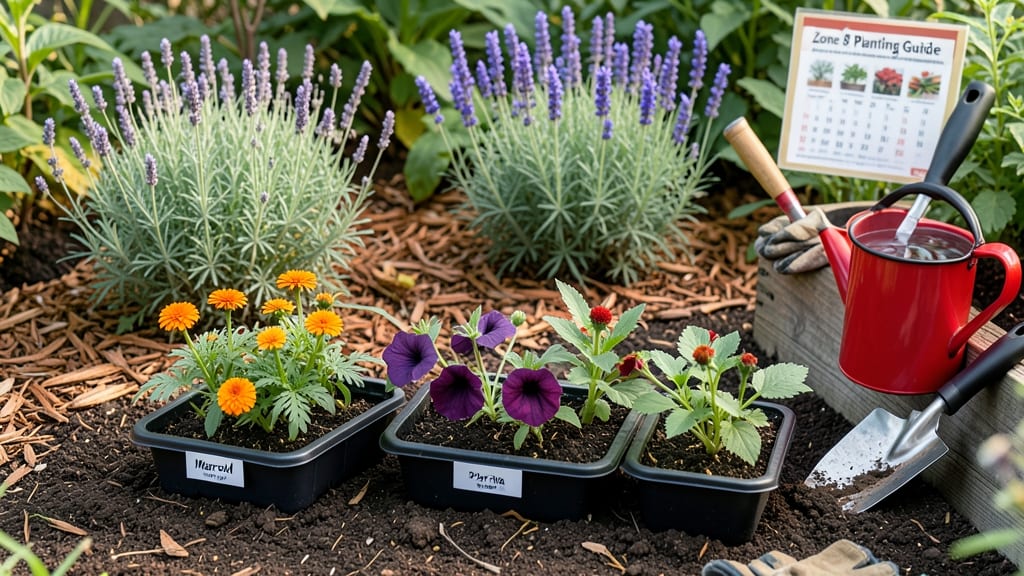
If you’ve ever stared at a seed packet wondering, "When to plant flowers in Zone 8?"—only to second-guess yourself because the weather seems unpredictable—you’re not alone.
Zone 8’s mild winters and long growing season make it tricky to nail the perfect timing, but getting it right means the difference between lush, year-round blooms and struggling seedlings.
Here’s the thing: planting too early risks frost damage, while waiting too long can mean missing peak bloom seasons. But with the right schedule—whether you’re sowing cool-season flowers in fall or heat-loving annuals in spring—you can enjoy vibrant gardens from March through December.
Let’s break down the science-backed windows for your microclimate, so you can stop guessing and start growing.
From coastal California’s delayed frosts to Georgia’s early springs, Zone 8’s diversity means your neighbors might be planting at the wrong time for your garden. We’ll cover exact dates for 100+ varieties, including lavender, roses, and marigolds, plus how to adjust for urban heat islands or breezy coastal areas.
No more wasted seed packets or half-hearted blooms—just a foolproof plan tailored to your corner of Zone 8.
Ready to transform your garden into a nonstop floral show? Grab your calendar and let’s dive into the timing secrets that’ll keep your 🌸 thriving all year. Spoiler: the best time to plant isn’t always when you think.
Zone 8 flower planting calendar by season: exact dates for 100+ popular varieties
Zone 8’s mild winters and long growing seasons let you plant flowers almost year-round, but timing still matters. Unlike colder zones, your last frost date typically lands around January 15 in inland areas, while coastal regions may stay frost-free until February 1.
This means you can push spring plantings earlier and extend fall blooms later. For example, petunias and marigolds thrive when planted 2–3 weeks before your last frost, while dahlias need to wait until soil reaches 60°F—usually mid-April inland or early March near coastlines.
Don’t overlook fall planting! Many cool-season annuals like pansies and calendulas can handle light frosts and even bloom through winter in milder microclimates.
Plant them 8–10 weeks before first frost (typically October 15–November 1), giving them time to establish roots before temperatures drop. Bulbs like tulips and daffodils also benefit from fall planting—aim for 6–8 weeks before frost to ensure vibrant spring displays.
For perennials like lavender or black-eyed Susans, timing matters less—just plant them in early spring (February–March) or fall (September–October). These hardy plants establish roots before extreme heat or cold sets in. Lavender, for instance, thrives when planted in full sun and well-draining soil, so avoid waterlogged areas.
If you’re in a coastal microclimate, you can push lavender planting into late winter (February), but inland gardeners should wait until March to avoid soil-heaving frosts.
Summer-blooming annuals like zinnias and sunflowers need warmth to germinate, so don’t plant them until after your last frost (typically mid-April inland or early April coastal). These heat-lovers will bolt if planted too early.
Pro tip: Use row covers to extend your season—plant marigolds in late February under protection for earlier blooms. For coastal gardeners, this can mean 3–4 weeks earlier than inland schedules.
Bulbs deserve special attention in Zone 8. Tulips and hyacinths need 6–8 weeks of chilling to bloom, so plant them in fall (October–November). Daffodils, however, are more forgiving—they’ll naturalize and return yearly if planted 8–10 weeks before frost.
For spring-blooming bulbs, aim for September–October planting. In warmer microclimates (like Southern California), you can even plant some bulbs in late fall (November) for winter blooms.
Don’t forget container gardening! Potted flowers like geraniums and begonias can be planted 2–3 weeks later than in-ground varieties because containers warm up faster. Start them in late March–April and move to shaded spots during
How microclimates in Zone 8 shift planting windows: urban heat islands vs. coastal breezes
Zone 8’s diverse microclimates can shift your planting schedule by weeks—or even months. Urban gardens often see warmer soil due to heat absorption, while coastal areas may experience delayed frosts from ocean breezes.
These differences mean your neighbor’s perfect timing might not work for your garden. Understanding these variations helps you avoid frost damage or missed bloom seasons.
For example, urban heat islands can raise soil temperatures by 5–10°F, allowing you to plant warm-season flowers like zinnias 2–3 weeks earlier than rural areas.
Meanwhile, coastal gardens might delay planting until mid-April due to cooler, foggy mornings. Without adjustments, you could end up with stunted growth or failed seedlings.
A soil thermometer is your best tool for fine-tuning timing. Most seeds need soil temps of 60–70°F to sprout, while bulbs like tulips thrive when soil is 50–60°F.
Check temps in the morning for accuracy—afternoon sun can skew readings. Apps like Frost Date Calculator also help track local patterns, especially if you’re near the coast.
Here’s how your microclimate type affects planting windows for Zone 8 flowers:
Shaded areas often cool down faster in fall, so prioritize frost-hardy perennials like lavender or coneflowers. If your garden sits in a valley or low spot, expect earlier frosts—monitor local weather forecasts and adjust planting dates accordingly.
For example, Southern California’s coastal zones might see no frost until December, while inland areas could face frost by mid-November.
Pro tip: Mulch heavily in urban areas to regulate soil temperature, and use row covers for coastal gardens if a late frost is forecasted. With these adjustments, you’ll maximize bloom time and minimize risks—no more guessing games! 🌿
Next, we’ll cover the 3 biggest mistakes Zone 8 gardeners make with planting timing (and how to fix them). Trust me, avoiding these will save you hours of frustration and wasted seeds! ✂️