
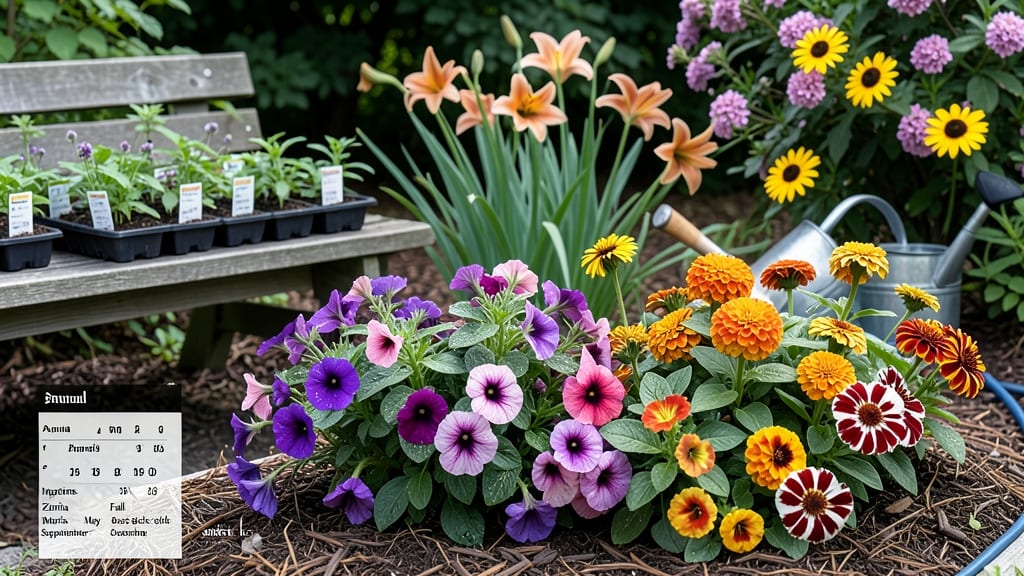
When to Plant Flowers in South Carolina: Perfect Months by Zone & Variety

Flowers

When to Plant Flowers in South Carolina: Perfect Months by Zone & Variety

Planting your 🌸 flowers at the wrong time in South Carolina can mean the difference between a lush garden and a sad, wilted mess—especially when you’re dealing with zones 7b-9a and those tricky frost dates.

I’ve learned the hard way that waiting until after March 15 (the average last frost) isn’t just a suggestion—it’s a survival tip for annuals like impatiens or marigolds.

But here’s the thing: timing isn’t just about avoiding frost. It’s also about giving your flowers the perfect start for their growing season, whether you’re in Charleston’s humid Lowcountry or the cooler Upstate. The right window means more blooms, less stress, and a garden that thrives instead of just surviving.

In this guide, I’ll break down exactly when to plant—from spring bulbs in late February to fall favorites in August-September—so you can match your flowers to South Carolina’s climate like a pro. No more guessing, just vibrant results.

Ready to transform your yard into a year-round paradise? Let’s get started with the ideal planting schedule for your zone.

🌸 When to Plant Flowers
Jan ❄️
Feb 🌱
Mar 🌸
Apr 🌸
May 🌱
Jun 🌱
Jul 🌱
Aug 🌸
Sep 🌸
Oct 🌱
Nov 🍂
Dec ❄️
Ideal Time
Also Good

South Carolina flower planting calendar by month & hardiness zones (7A-8B)

South Carolina’s diverse climate—from the humid coastal Lowcountry to the cooler mountain regions—means your flower planting schedule depends heavily on your USDA hardiness zone. Most of the state falls within zones 7A-8B, with last frost dates ranging from mid-March in Charleston to late April in Greenville.

First frost typically arrives between mid-November and early December, so timing is critical for avoiding frost damage or missed blooms.

To maximize your garden’s potential, I’ve broken down the best planting months for annuals, perennials, and bulbs by zone, along with ideal soil temperatures and seasonal blooming cycles. Whether you’re in the hot, humid Lowcountry or the milder Upstate, this guide ensures your flowers thrive year-round.

🌱

Month Zone 7A (Cooler Upstate) Zone 7B-8A (Piedmont) Zone 8B (Coastal) Soil Temp
February Bulbs (tulips, daffodils) Bulbs (hyacinths, crocuses) Bulbs (dahlias, cannas) 50-55°F
March Perennials (lavender, coneflowers), Hardy annuals (pansies) Perennials (black-eyed Susans), Annuals (marigolds) Annuals (petunias, impatiens) 55-65°F
April Heat-loving annuals (sunflowers, zinnias) All annuals (after last frost) Tropicals (hibiscus, bougainvillea) 60-70°F
May Succession plant heat-tolerant flowers Succession plant cosmos, snapdragons Succession plant vinca, lantana 65-75°F
June-July Maintenance (deadhead, mulch) Maintenance (water deeply) Maintenance (protect from humidity) 70-85°F
August Fall bulbs (tulips, crocuses) Fall annuals (pansies, snapdragons) Fall annuals (mums, asters) 65-70°F
September Perennials (hardy types like sedum) Perennials (black-eyed Susans, coneflowers) Perennials (canna lilies, dahlias) 60-65°F
October-November Bulbs (spring-flowering) Bulbs (tulips, daffodils)

Best flowers to plant in South Carolina by season (with fastest-growing picks)

South Carolina’s humid subtropical climate and long growing season mean you can enjoy blooms year-round—if you pick the right flowers for each season.

I’ve tested dozens of varieties in my Charleston garden, and these are the top performers that thrive with minimal fuss, plus the fastest-growing picks for instant color.

Spring brings daffodils and tulips that naturalize beautifully, while summer demands heat-tolerant annuals like zinnias and hibiscus. Fall mums and asters handle cooler temps, and winter pansies add color to chilly days. Each season has its own planting window and care tips to maximize blooms.

🌱 Seasonal Planting Guide for South Carolina

  1. Spring (Feb-Apr): Plant bulbs (daffodils, tulips) in late February for early blooms. Fastest-growing pick: Pansy 'Cool Wave' (blooms in 6-8 weeks).
  2. Summer (May-July): Start heat-lovers (hibiscus, zinnias) after May 15. Fastest: Zinnia 'Benary's Giant' (blooms in 45 days).
  3. Fall (Aug-Sep): Choose mums and asters by August 1. Fastest: Cosmos 'Bright Lights' (blooms in 50 days).
  4. Winter (Oct-Dec): Add pansies and snapdragons for chilly-season color. Fastest: Viola 'Johnny Jump-Up' (blooms in 4 weeks).

🌿 Pro Tip: Always amend clay-heavy SC soil with compost before planting.

For spring blooms, I swear by tulips and daffodils planted in late February. These perennials return every year and naturalize beautifully in well-draining soil. My fastest-growing spring pick is Pansy 'Cool Wave', which pops up in just 6-8 weeks and handles light frosts like a champ.

Summer in South Carolina is hot and humid, so I focus on drought-tolerant annuals like hibiscus and zinnias. Wait until after May 15 to plant these sun-lovers, and always mulch to retain moisture.

The zinnias in my garden explode with color in 45 days, making them my top fast grower for summer.

Fall brings crisp air and vibrant blooms, and mums and asters are my go-tos. Plant them by August 1 for September-November color. For instant gratification, try cosmos, which bloom in just 50 days and thrive in partial shade—perfect for humid afternoons.

Don’t forget winter interest! Pansies and snapdragons add color to chilly days and handle light frosts with ease. My fastest winter bloomer is Viola 'Johnny Jump-Up', which pops up in 4 weeks and keeps blooming until spring.

No matter the season, amend your soil with compost and water deeply after planting. South Carolina’s clay soil drains poorly, so mulch heavily to prevent root rot. With these seasonal picks, your garden will stay blooming beautifully all year.

★★★★★4.8(3 reviews)
Categories Flowers