
Flowers
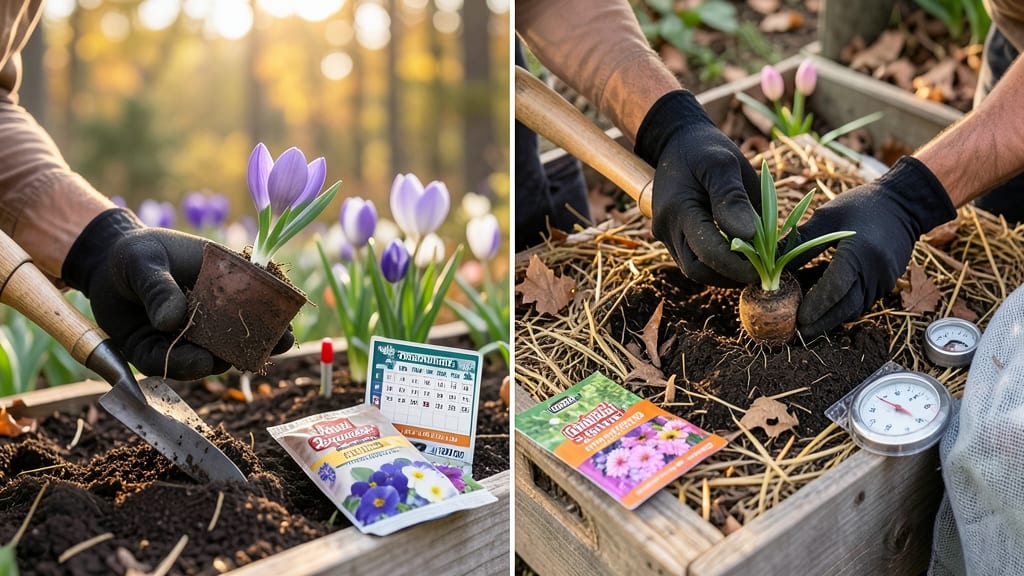
Planting your Flowers 🌸 at the wrong time in Ontario can turn your dream garden into a frost-killed disappointment—and nobody wants that. Whether you're in Toronto or Thunder Bay, knowing your last frost date is the key to vibrant blooms all season long.
Most Ontario gardeners wait until mid-May to plant annuals, but perennials and bulbs have different rules. The 5a-6b zones mean your timing should shift slightly depending on where you live, and fall plantings can actually give you an edge for next spring.
In this guide, I’ll break down the exact windows for planting everything from tulips to petunias, plus pro tips to extend your growing season. No more guessing—just a foolproof schedule tailored to Ontario’s climate.
Ready to transform your garden? Let’s get those Flowers 🌸 in the ground at the perfect moment for maximum beauty and minimum frost risk.
Ontario frost zones & last frost date cheat sheet for flower planting
Ontario’s diverse climate zones (ranging from 5a to 7b) mean your last frost date could be weeks apart from your neighbor’s. In Zone 5a (northern Ontario), frost lingers until late May or early June, while Zone 7b (southern Ontario) sees frost-free conditions by mid-May.
These differences dictate when to plant flowers—get it wrong, and your tender annuals could turn into frost snacks.
To avoid costly mistakes, I always check the USDA Plant Hardiness Zone Map for my exact location. You can find yours by entering your postal code into the Ontario Ministry of Agriculture’s zone finder or using the Canada Plant Hardiness Map.
For most gardeners, this means Zone 5b or 6a—the sweet spot for longer growing seasons and earlier planting.
Here’s the critical timeline you need: Southern Ontario (Zones 6a-7b) typically has its last spring frost between April 20 and May 10, while Northern Ontario (Zones 5a-5b) waits until May 15 to June 1.
The first fall frost hits earlier in the north (September 15-25) compared to the south (October 1-15). These dates are your planting guardrails—waiting until after the last frost ensures your heat-loving flowers like petunias and geraniums survive.
🌱
For perennials, like coneflowers
Best flower planting timeline by variety (annuals vs perennials)
Planting flowers in Ontario isn't just about grabbing seeds and sticking them in the ground—it's about timing to match your local frost dates and each plant's hardiness zone.
In Southern Ontario (Zone 6a), you can start spring planting as early as late April, while Northern Ontario (Zone 5a) gardeners should wait until mid-May to avoid frost damage. The key is knowing which flowers thrive when planted early and which need to wait for warmer soil.
Annuals like petunias and marigolds are impatient—plant them too late, and you'll miss their summer-long blooms. Perennials like peony and daylily, on the other hand, can handle being planted in early spring or even fall for better root establishment.
Let's break down the best planting windows for Ontario's most popular flowers to keep your garden bursting with color all season.
- 1 Early Spring (March-April): Plant tulip bulbs and crocus in Zone 6a (Southern Ontario) for spring blooms. Avoid planting annuals until after last frost.
- 2 Late Spring (May): After your last frost date, plant petunias, geraniums, and zinnias for summer color. Southern Ontario: mid-May; Northern Ontario: late May.
- 3 Late May (Zone 6a) / Early June (Zone 5a): Plant dahlias and canterbury bells after soil warms to 10°C (50°F). These tender perennials need a long growing season.
- 4 Fall (August-September): Plant spring-blooming bulbs (like tulips and daffodils) and hardy perennials (like peony) for early root growth before winter.
- 5 Late Summer (August): Start succession planting of annuals like cosmos and sunflowers for fall blooms before first frost (mid-October in most zones).
For annuals, the rule is simple: wait until after your last frost date. In Southern Ontario, that’s usually mid-May, but in Northern Ontario, you might need to wait until early June. Petunias and impatiens, for example, will bolt (produce seeds prematurely) if planted too early.
Meanwhile, perennials like coneflowers and black-eyed Susans can handle being planted in early spring or even fall—just make sure the soil isn’t frozen.
Don’t overlook fall planting for perennials! Planting in September gives roots time to establish before winter, leading to stronger blooms the following year. Dahlias and gladiolas, however, are exceptions—they need warm soil and should only be planted after late May in most of Ontario.
If you’re unsure about your last frost date, use the 50-degree Fahrenheit rule: wait until the soil temperature stays above 10°C (50°F) for at least a week.
Pro tip: Use row covers to extend your planting season by 2-3 weeks in early spring or late fall. This is especially helpful for tender annuals like begonias and coleus, which can’t handle even light frosts.
And if you’re in Zone 6a, you might even squeeze in a second planting of fast-growing annuals like bachelor’s buttons in early July for late-summer color.
Remember, soil temperature matters just as much as air temperature. Use a soil thermometer to check if it’s warm enough—most flowers need soil temps of at least 10°C (50°F) to thrive.
And if you’re planting bulbs, aim for 60-90 days before your first frost to ensure they have time to root before winter sets in.