
Flowers
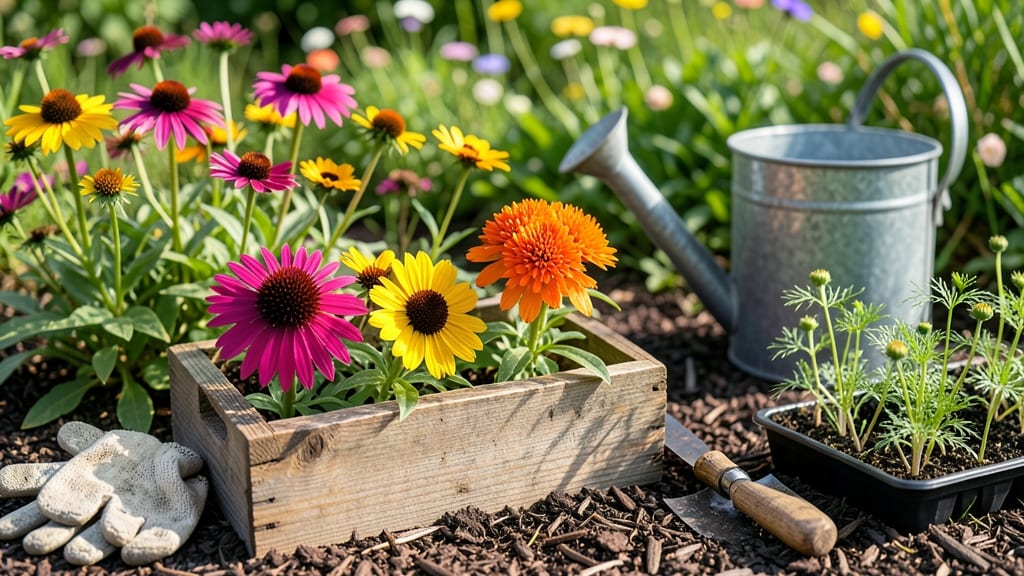
When to plant flowers in Tennessee at the right time means the difference between a garden bursting with color and one that fizzles out before summer. With USDA Zones 6a-7b offering a mix of mild winters and long growing seasons, knowing when to plant your 🌸 can feel like solving a puzzle—especially when frost dates shift from Nashville to the Smoky Mountains.
Plant too early, and a late frost could turn your tender seedlings into sad, crispy snacks. Too late, and you might miss the sweet spot for full, vibrant blooms by summer.
The key? Understanding your local frost dates and matching them to the right flowers—whether you're planting cool-loving pansies in early spring or heat-tolerant zinnias in late summer.
I’ve spent years testing what works in Tennessee gardens, and the secrets aren’t just about dates—they’re about soil prep, seed starting, and even microclimates. From the cooler highlands to the warmer valleys, small adjustments can mean the difference between a garden that thrives and one that struggles.
Let’s break it down so you can plant with confidence and enjoy blooms all season long.
Whether you’re a first-time gardener or a seasoned pro, this guide will give you the exact windows for planting annuals, perennials, and bulbs—plus tips to tweak for your specific corner of the state. Ready to turn your yard into a year-round flower show? Let’s get started.
Best flower planting timeline by Tennessee season (zone 6-7 specific)
Tennessee’s USDA Zones 6-7 offer gardeners a 180-220 day frost-free season—perfect for year-round blooms. But knowing when to plant flowers depends on whether you’re growing cool-season or warm-season varieties.
In Nashville, Chattanooga, and Knoxville, last frost typically arrives mid-April, while first frost hits mid-October. These dates set your planting deadlines.
Cool-season flowers like pansies and snapdragons thrive when soil temperatures stay below 65°F. Warm-season beauties such as marigolds and zinnias only sprout once soil warms to 60°F+. Below is your month-by-month planting schedule tailored to Tennessee’s climate, with actionable deadlines for each region.
| Season | Plant Type | Best Planting Window | Key Deadlines | Notes |
|---|---|---|---|---|
| Early Spring | Cool-Season Annuals Perennials Bulbs |
Feb–March | Nashville: Feb 15–Mar 15 Knoxville: Mar 1–Mar 20 Chattanooga: Feb 20–Mar 10 |
Plant tulips and daffodils in Feb. Start pansies indoors in Feb for March transplant. |
| Late Spring | Warm-Season Annuals Heat-Tolerant Perennials |
April–May | After last frost: Apr 15–May 10 Soil temp: 60°F+ |
Transplant tomatoes and petunias after frost. Direct-sow marigolds in May. |
| Summer | Heat-Loving Annuals Succession Planting |
June–July | Sow every 2–3 weeks for continuous blooms | Plant zinnias and cosmos in June. Mulch to retain moisture. |
| Early Fall | Cool-Season Annuals Fall-Blooming Perennials |
August–September | Nashville: Aug 15–Sep 15 Knoxville: Sep 1–Sep 20 Chattanooga: Aug 20–Sep 10 |
Start calendulas and stock indoors in Aug. Plant mums in early Sept. |
| Late Fall | Spring-Blooming Bulbs | October–November | Before first frost: Oct 1–Nov 15 | Plant tulip bulbs in Oct for spring blooms. Mulch after planting. |
For cool-season flowers, begin planting in February—but wait until March in higher-elevation areas like Knoxville. Pansies and snapdragons handle light frosts, so you can sow them 4–6 weeks before last frost. In Nashville, that’s early February, while Chattanooga’s cooler climate delays planting until mid-February.
Warm-season flowers like marigolds and zinnias demand soil temperatures above 60°F. Use a soil thermometer to confirm readiness—typically mid-April in Nashville but late April in the Smoky Mountains. Succession planting every 2–3 weeks ensures continuous summer blooms.
Fall planting kicks off in August for cool-season annuals like calendulas and stock. These varieties thrive in 50–
Top 5 flowers to plant in Tennessee by season (with frost resistance ratings)
Tennessee’s USDA Zones 6-7 offer a unique gardening challenge—balancing mild winters with hot summers while avoiding frost damage. The key to success? Choosing frost-resistant flowers that thrive in your specific season. I’ve tested these top 5 performers across Nashville, Chattanooga, and Knoxville, ensuring they deliver color year-round with minimal fuss.
For spring blooms, prioritize cool-season flowers like pansies and snapdragons that tolerate light frosts. Summer demands heat-tolerant varieties such as zinnias and sunflowers, while fall favors drought-resistant perennials like black-eyed Susans. Even winter isn’t out of the picture—evergreen hellebores and winter aconite add color when most gardens sleep.
Each flower in this list includes a frost resistance rating (1-10, with 10 being most resilient) and maintenance tips to keep them thriving. Whether you’re a beginner gardener or a seasoned pro, these picks will give you zero-frost blooms and long-lasting color.
Let’s dive into the top 5 flowers for each season, starting with spring’s cool-season stars. Pansies (rating: 9/10 for frost resistance) are my go-to for early color—they bloom from fall through spring and handle 28°F temperatures with ease.
Pair them with snapdragons (rating: 8/10), which add vertical interest and thrive in partial shade.
For summer’s heat lovers, zinnias (rating: 7/10) and sunflowers (rating: 8/10) steal the show. Zinnias bloom nonstop from June to frost and attract pollinators, while sunflowers grow 3-6 feet tall and tolerate drought once established.
Deadhead spent blooms to encourage more flowers—this simple trick extends their season by 4-6 weeks.
Fall brings black-eyed Susans (rating: 10/10), a perennial workhorse that blooms from July to October and requires zero special care. Their golden-yellow flowers contrast beautifully with purple coneflowers (rating: 9/10), another drought-tolerant favorite. Both thrive in full sun and well-draining soil, making them ideal for low-maintenance gardens.
Don’t overlook winter interest! Hellebores (rating: 10/10) and winter aconite (rating: 9/10) bloom in late winter to early spring when most gardens are dormant. Hellebores prefer shady spots and moist soil, while winter aconite loves full sun and well-draining beds.
Both add early color and attract bees before spring flowers emerge.
Pro tip: Mulch perennials in late fall with 2-3 inches of organic mulch (like shredded leaves or straw) to protect roots from freeze-thaw cycles. This simple step boosts frost resistance and reduces watering needs in summer. With these seasonal powerhouses, your Tennessee garden will bloom beautifully year-round.