
Plants
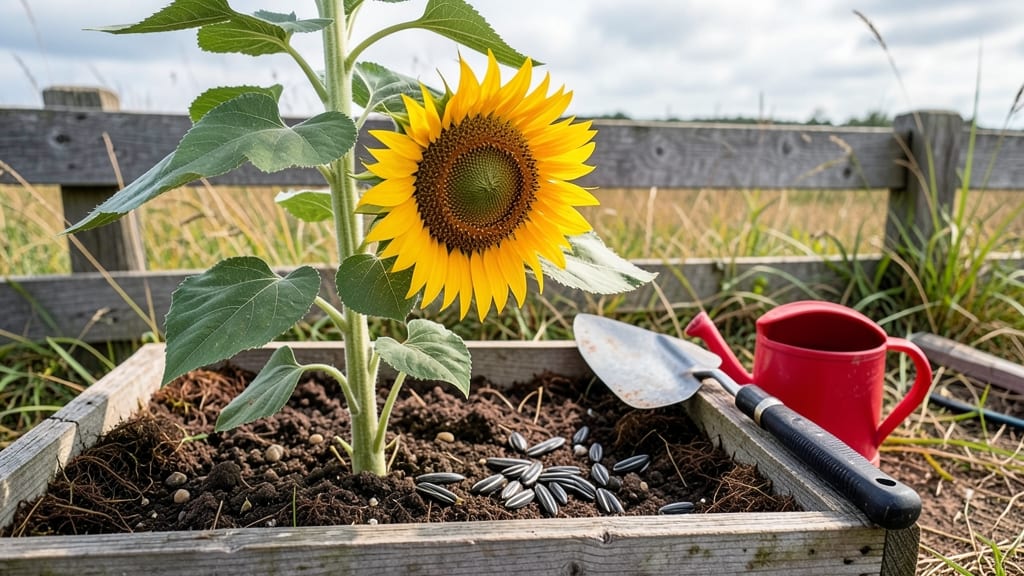
Knowing when to plant sunflower seeds in Iowa could mean the difference between towering 🌻 blooms and a season of disappointment. Plant too early, and a late frost will wipe them out; too late, and you might miss the summer heatwave that helps them thrive.
Iowa’s USDA Zones 5a-6b give you a narrow window—just mid-April to early July—to get those seeds in the ground before the first frost of October sneaks up.
But here’s the catch: soil temperature matters just as much as calendar dates. We’ll break down the exact frost-date guide so you never guess again.
Whether you’re growing Teddy Bear sunflowers for quick blooms or Russian Giants for dramatic height, knowing when to plant ensures your garden stays vibrant from late July through September. Let’s dive into the frost-date secrets that’ll make your sunflowers the talk of the neighborhood.
From adjusting for Iowa’s unpredictable weather to picking the best varieties for your zone, this guide covers everything you need to turn your sunflower dreams into reality. Ready to grow those 10-foot-tall beauties? Let’s get started.
Iowa sunflower planting dates by frost Zone 5-6: exact timing guide
Sunflowers thrive in Iowa's sunny climate, but timing is everything for those iconic golden blooms. In USDA Zones 5-6, the difference between a 100-day harvest and a frost-killed seedling often comes down to planting dates that align with your local frost patterns.
Let's break down the exact windows to maximize your sunflower success.
Iowa's last spring frost typically falls between April 15 and May 1, but this can shift 1-2 weeks earlier or later depending on your specific location.
For Zone 5a (northern Iowa), aim for late April to early May plantings, while Zone 6b (southern Iowa) can start as early as mid-April in most years.
⚠️ PRO TIP: Always check your local agricultural extension office for your county's 5-year frost average—this gives you the most accurate planting timeline for your microclimate.
| Planting Window | Zone 5a (Northern Iowa) | Zone 6b (Southern Iowa) | Soil Temp Requirement | Notes |
|---|---|---|---|---|
| Direct Sowing (Outdoor) | May 1 - May 15 | April 15 - April 30 | 50°F+ | Best for tall varieties |
| Transplanting Window | May 10 - May 30 | April 25 - May 15 | 50°F+ | Use for dwarf varieties |
| Late-Summer Replant | July 15 - August 15 | July 1 - August 10 | 60°F+ | Extended fall blooms |
| Frost Risk Window | April 1 - May 15 | March 25 - May 1 | N/A | Use row covers for early plantings |
For direct sowing (planting seeds directly in the ground), aim for May 1-15 in Zone 5a and April 15-30 in Zone 6b. These dates ensure your sunflowers have at least 100 frost-free days to mature—critical for varieties like 'Russian Giant' that take 120 days to reach harvest.
If you prefer transplanting seedlings, start your sunflowers indoors 4-6 weeks before your last frost date. In Iowa, this means mid-March to early April for Zone 6b and late March to early April for Zone 5a. Transplant outdoors during your May 10-30 window for established roots.
Don't overlook late-summer replanting! Planting sunflower seeds between July 15 and August 15 gives you a second harvest before Iowa's first frost (typically mid-October). This works especially well for short-season varieties like 'Teddy Bear' (60 days to maturity).
Always plant sunflower seeds 1 inch deep and 6 inches apart for optimal spacing. In Iowa's loamy soil, add a 1-inch layer of compost before planting to boost nutrients. For drought-prone areas, consider raised beds with well-draining soil mixes.
Monitor your soil temperature with a soil thermometer—sunflowers need consistent warmth above 50°F to germinate. In cooler springs, wait until soil reaches 60°F+ for faster sprouting, especially in Zone 5a where nights can still dip below freezing.
Protect early plantings with frost cloth if late frosts threaten. Iowa's unpredictable weather can bring 50°F nights as late as May 10, so have protective covers ready. Remove them during the day to prevent overheating.
For extended blooms, interplant sunflowers with fast-maturing varieties like 'Autumn Beauty' (85 days) alongside late-season types like 'Moulin Rouge' (90 days). This creates a continuous color display from July through September.
🌻
How to adjust sunflower planting for Iowa's unpredictable weather patterns
Iowa’s weather can be as unpredictable as a summer thunderstorm—one day it’s 60°F and sunny, the next it’s 32°F with a surprise frost. Sunflowers, while hardy, need consistent warmth to thrive, so knowing how to adjust your planting strategy is key.
The average last frost date in Iowa ranges from April 15 in southern zones to May 1 in northern areas, but don’t let averages fool you. Late frosts can still hit as late as May 10, especially in Zone 5a.
To beat Iowa’s unpredictable frost risks, start by checking your soil temperature—sunflower seeds need the ground to be at least 60°F before planting. Use a soil thermometer for accuracy, especially if you’re eager to plant early.
If your soil is cold but the calendar says it’s time, wait. Patience now means taller, healthier sunflowers later.
For those who can’t resist planting early, use protective coverings like row covers or cold frames to shield young seedlings. These create a microclimate that can add 2-4°F of warmth, giving your sunflowers a head start. Just remember to remove covers once true leaves appear to prevent overheating.
Heatwaves are another Iowa challenge, especially for late-summer plantings. If you miss the spring window, opt for drought-resistant varieties like 'ProCut' or 'Moulin Rouge', which handle 90°F+ temperatures better than standard types. Always mulch around your sunflowers to retain moisture and keep roots cool during heatwaves.
Watering strategies also need adjustment. Young sunflowers need 1-2 gallons of water per week, but once they’re established, they’re surprisingly drought-tolerant. However, in Iowa’s summer droughts, deep watering every 5-7 days keeps them thriving.
Water at the base of the plant in the morning to avoid fungal issues from evening moisture.
Finally, consider succession planting for extended blooms. If you plant a second batch in early July, you’ll enjoy sunflowers well into September, even as temperatures drop. Just be mindful of the first frost, which typically arrives in mid-October, and choose fast-maturing varieties for late plantings.
With these adjustments, you’ll turn Iowa’s unpredictable weather into an advantage, ensuring your sunflowers reach their full 10-foot potential no matter what Mother Nature throws your way. Happy gardening! 🌻