
Plants
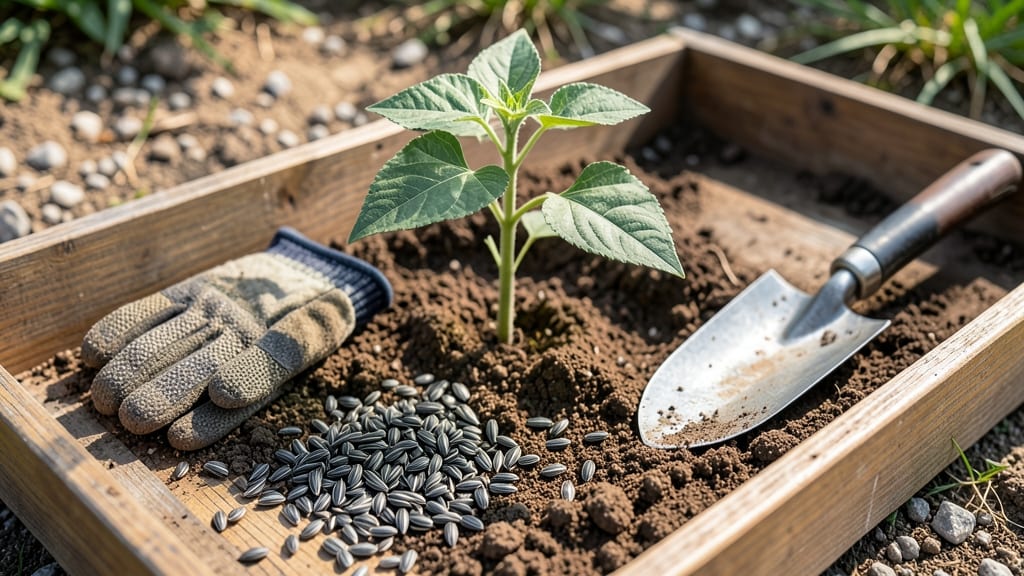
Planting sunflower seeds in Texas at the wrong time means either waiting too long for those towering 🌻 blooms or risking frost damage before they even sprout.
The key to success lies in understanding your specific region's last frost dates—North Texas gardeners have until early April, while Central and South Texas can start as early as February.
Sunflowers are tough and heat-loving, but they still need a head start. If you plant too early, a late frost could wipe out your seedlings, while planting too late might mean your sunflowers bolt before producing those iconic yellow faces.
The ideal window is when soil temperatures hit 55°F and stay warm, usually aligning with late February to early April for most of the state.
Don’t overlook the benefits of a second planting in late summer—this gives you a second chance for beautiful blooms before winter sets in. Whether you're growing them for their stunning flowers or edible seeds, timing is everything in Texas’s long, hot growing season.
I’ll break down the exact planting schedule for your zone, plus pro tips to ensure your sunflowers grow tall, strong, and ready to shine all summer long. Let’s get those seeds in the ground at the perfect moment!
Texas heat-zone planting timeline for sunflower seeds
Sunflowers are one of the easiest and most rewarding plants to grow in Texas, but timing is everything. The Lone Star State’s diverse climate zones—from North Texas’ cooler springs to South Texas’ early warmth—create distinct planting windows.
Miss the mark, and you’ll either lose seedlings to frost or watch your sunflowers bolt before flowering. Let’s break down the perfect planting timeline for each Texas region, using last-frost dates and soil temperature triggers as your guide.
Texas is divided into three key climate zones for planting purposes: North Texas (USDA Zones 7b-8a), Central Texas (Zones 8a-8b), and South Texas (Zones 9a-10b). Each zone has its own last-frost date, which signals when it’s safe to plant sunflower seeds outdoors.
For sunflowers, the soil temperature is just as critical—seeds need consistent warmth above 55°F to germinate reliably. Below, you’ll find the exact windows to plant for maximum growth and bloom time.
🌱
In North Texas, where frosts can linger until mid-March, aim to plant sunflower seeds between late February and early April. This window ensures seedlings emerge when soil temperatures consistently stay above 55°F, preventing cold damage.
For an extra boost, use black plastic mulch to warm the soil faster and extend your planting window by 2-3 weeks. If you’re eager to start earlier, consider starter trays indoors under grow lights, transplanting outdoors after the last frost.
Central Texas gardeners enjoy a longer frost-free season, with the last frost typically around February 15. This means you can plant sunflower seeds as early as January, especially if you choose dwarf or semi-dwarf varieties like ‘Teddy Bear’ or ‘Moulin Rouge,’ which mature faster.
For giant varieties like ‘Russian Giant,’ wait until February or March to give them enough time to reach their full 10-18 foot height before Texas summers intensify.
South Texas is the most forgiving zone for sunflower planting, thanks to its mild winters and long growing season. You can plant seeds as early as January and even enjoy a second planting in late summer (August-September) for fall blooms.
The key here is to avoid planting during peak summer heat (June-July), when temperatures often exceed 95°F, causing stress or bolting. Instead, opt for fall plantings to take advantage of cooler weather and longer daylight hours.
For all Texas zones, soil temperature is your best indicator of readiness. Use a soil thermometer to confirm temperatures are consistently above 55°F before planting. If you’re unsure, stick to the last-frost-date benchmarks provided—these are based on decades of local data.
Remember, sunflowers are fast growers, with many varieties reaching maturity in 60-90 days, so timing your plantings to align with your desired bloom period is crucial.
Pro tip: If you’re growing sunflowers for seed production, aim to plant in early spring (February-March) to ensure seeds mature before Texas’s first frost in November. For cut flowers or pollinator gardens, staggered plantings every
Key factors that determine the best planting month in Texas
When deciding when to plant sunflower seeds in Texas, the first factor is soil temperature. Sunflowers need soil that's at least 55°F for proper germination. In North Texas, this typically happens around mid-March, while Central and South Texas can plant as early as February.
Always check soil temps with a thermometer—cold soil slows growth and can lead to leggy, weak seedlings.
Daylight hours also play a crucial role. Sunflowers thrive with 6-8 hours of sunlight daily, but they need longer days to reach their full potential. Planting in late spring (March-April) ensures they get the maximum daylight during their growth phase.
If you're planting for a fall harvest, aim for late summer (August-September) to take advantage of the long Texas days.
Your choice of sunflower variety also affects planting time. Giant varieties like 'Mammoth' or 'Russian Giant' need early planting (February-March) to reach their full height of 10-18 feet.
These towering beauties require more time to mature, so don't wait too long. Dwarf varieties, such as 'Teddy Bear' or 'Sunspot', are more flexible—they tolerate later plantings (April-May) and reach only 3-5 feet tall, making them great for containers or small spaces.
Adjusting for early or late seasons is easier than you think. If you miss the ideal window, don't despair! You can still plant sunflowers in late spring (May), but expect smaller blooms. For a second harvest, try planting in late summer (August).
Just be prepared for more frequent watering as Texas heat intensifies. I've had great success with late plantings—they often produce hardier plants that handle summer heat better than spring-sown varieties.
Don't forget to monitor local weather patterns. Texas weather can be unpredictable, with sudden cold snaps even in spring. If a frost warning appears after planting, cover young seedlings with row covers or frost cloth to protect them.
With these factors in mind, you'll be well on your way to growing stunning sunflowers that thrive in Texas's unique climate. 🌻