
Plants
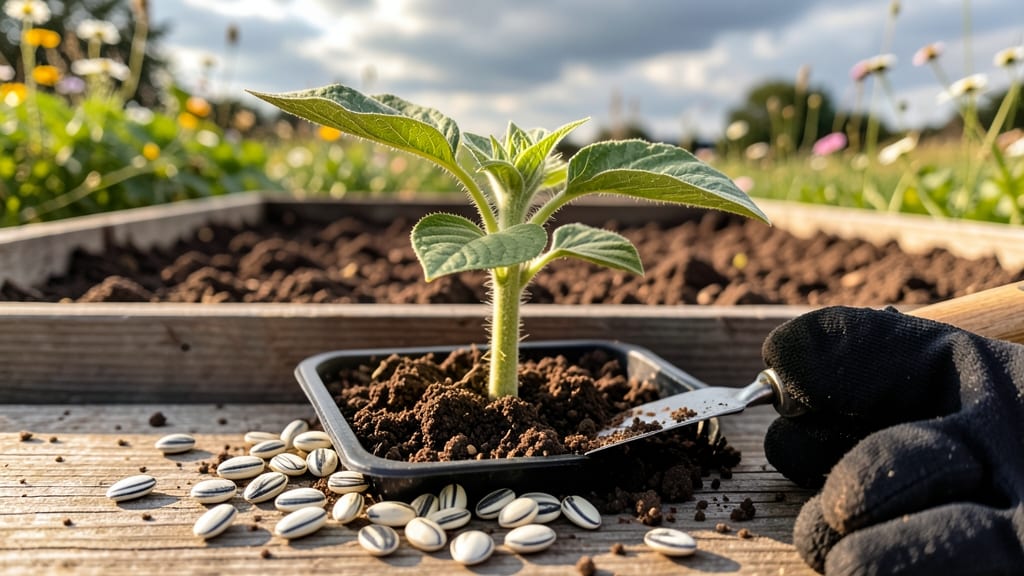
Timing your sunflower seeds in New Jersey isn't just about throwing them into the ground—it's the difference between a 12-foot-tall beauty and a sad, stunted plant that never blooms.
With frost dates shifting and microclimates varying from north to south, getting it right means knowing exactly when to start seeds indoors or plant them directly.
I’ve seen firsthand how a one-week delay can throw off the entire growing season, especially in zones like 6a-7b. Whether you're in coastal Cape May or the hills of Sussex County, the key is understanding your local frost dates and soil temperatures.
That’s why I’m breaking down the exact windows you need to follow for zero-frost success.
You’ll learn how to adjust for your specific county, whether to start seeds indoors 6-8 weeks before the last frost, or when to dive straight into the soil for direct sowing.
Plus, I’ll share my top tips for avoiding common mistakes that NJ gardeners make—like planting too late or ignoring soil prep.
By the end, you’ll have a clear, actionable plan to grow sunflowers that reach their full potential, no matter where you are in the Garden State. Let’s get those seeds in the ground at the perfect time!
NJ county-by-county sunflower planting deadlines (avoid frost damage)
New Jersey’s diverse climate means your sunflower planting deadlines depend heavily on which county you’re in. While most of NJ falls in USDA Zones 6a-7b, coastal areas like Ocean County warm up faster than inland counties like Sussex.
To avoid frost damage and maximize your sunflowers’ growth, follow these county-specific guidelines based on NJAES and NOAA data.
Sunflowers need soil temperatures above 55°F (13°C) to germinate properly. In colder northern counties, start seeds indoors 6-8 weeks before your last frost date. Southern counties can often direct-sow after mid-April, but always check your local last frost date—it varies yearly.
Below is your NJ county planting timeline, including ideal indoor start dates, direct sowing windows, and soil temperature thresholds. Use this to plan your sunflower garden for zero-frost success.
| County | Last Frost Date | Indoor Start (6-8 wks before) | Direct Sow Window | Soil Temp Threshold |
|---|---|---|---|---|
| Atlantic | April 10 | February 15 | April 20 - May 10 | 55°F+ |
| Bergen | April 15 | February 20 | May 1 - May 15 | 55°F+ |
| Burlington | April 12 | February 18 | April 25 - May 5 | 55°F+ |
| Camden | April 10 | February 15 | April 20 - May 10 | 55°F+ |
| Cape May | April 5 | February 10 | April 15 - May 5 | 55°F+ |
| Cumberland | April 10 | February 15 | April 20 - May 10 | 55°F+ |
| Essex | April 20 | March 5 | May 15 - June 1 | 60°F+ |
| Gloucester | April 12 | February 18 | April 25 - May 5 | 55°F+ |
| Hudson | April 15 | February 20 | May 1 - May 15 | 55°F+ |
| Hunterdon | April 18 | February 25 | May 10 - May 20 | 55°F+ |
| Mercer | April 15 | February 20 | May 1 - May 15 | 55°F+ |
| Middlesex | April 12 | February 18 | April
How to extend your sunflower season in NJ (indoor starts & success tips)If you want sunflowers that reach their full 10-14-foot potential in New Jersey, starting them indoors is your secret weapon. I’ve found that indoor starts give you a 3-4 week head start on the growing season, which is crucial when frost can still linger in USDA zones 6a-7b through early May. The key is timing—planting too early means leggy seedlings, while waiting too long risks stunted growth. For NJ gardeners, the ideal window to start sunflower seeds indoors is 6-8 weeks before your last frost date. That means if your frost date is April 15 (like in most of NJ), you should begin sowing indoors around February 15 to March 1. This timing ensures your seedlings are robust and ready for transplanting when soil temperatures hit that critical 55°F (13°C) threshold. 1
Choose the Right Containers
Use biodegradable pots (like peat or coconut fiber) or 2-3 inch deep containers with drainage holes. Sunflower roots need space—avoid overcrowding by giving each seed 1-2 inches of growing room. 2
Use Warm, Moist Seed Starting Mix
Fill containers with a sterile seed starting mix (not garden soil) and moisten it until damp. Sunflower seeds germinate best at 70-75°F (21-24°C), so place containers on a seedling heat mat if your home runs cooler. 3
Plant Seeds 1 Inch Deep
Press 1-2 seeds per container into the soil, 1 inch deep. Thin to the stronger seedling once sprouts appear. Keep the soil consistently moist (not soggy) and place containers in a south-facing window or under grow lights for 12-14 hours of light daily. 4
Hardening Off (2 Weeks Before Transplant)
Two weeks before transplanting, move seedlings outdoors for 2-3 hours daily, gradually increasing exposure. This hardening-off process toughens stems and prevents shock. Choose a cloudy day for the first session to avoid sunburn. 5
Transplant After Last Frost
Wait until soil temps are consistently above 55°F (13°C) and nighttime temps stay above 40°F (4°C). Plant seedlings 18-24 inches apart (check your variety’s mature size) in full sun. Water deeply after transplanting to reduce shock. Once your seedlings are in the ground, you can extend the season further by using row covers or black plastic mulch. Row covers create a 2-3°F warmer microclimate, allowing you to plant 2-3 weeks earlier in spring or 1-2 weeks later in fall. For even earlier plantings, lay down black plastic mulch 1-2 weeks before transplanting—it warms the soil faster and suppresses weeds. I’ve also had success with succession planting: after harvesting the first batch of sunflowers in late July, I sow a second round of seeds in early August for a fall display. Just be sure to choose shorter varieties (3-6 feet) to avoid flopping in autumn winds. With these techniques, you can enjoy sunflowers from June through October in NJ! Don’t forget to monitor for pests like sunflower moths and disease risks from overwatering. A little extra care now means bigger blooms and longer seasons—worth every effort! 🌻 |