
Plants
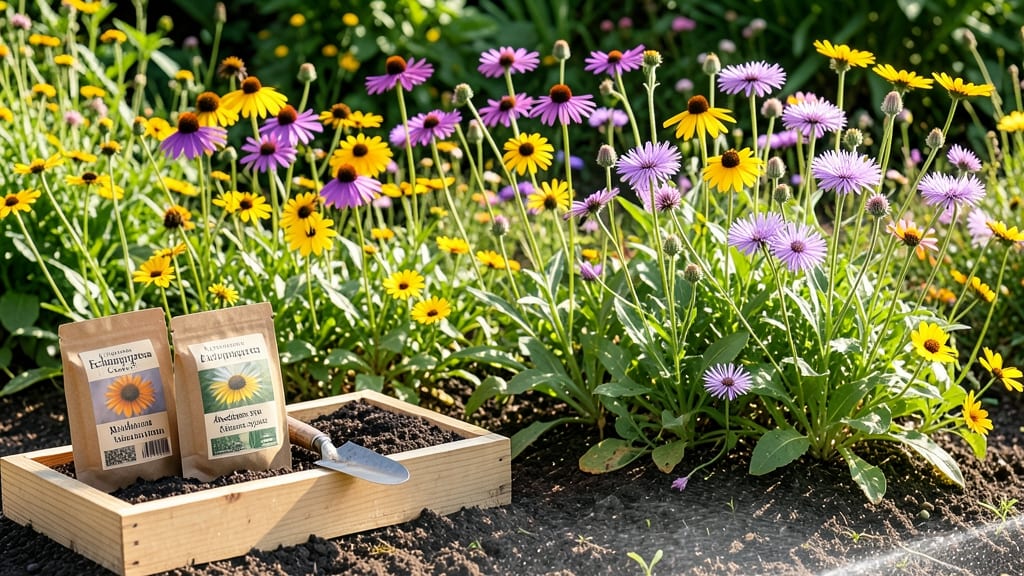
Planting wildflower seeds in New England at the wrong time can leave you staring at bare soil instead of a vibrant meadow come summer. The key to success? Timing it right for your USDA Zone—whether you're in coastal Maine or inland Vermont—where frost dates shift dramatically.
Most gardeners in Zones 5-7 swear by two windows: early spring (March–April) or late summer/early fall (August–September). But why? Spring planting gives seeds a head start before summer heat, while fall sows take advantage of cooler temps and winter moisture.
I’ll break down which option works best for your specific microclimate.
You’ll also discover how to prep your soil for rocky New England terrain and avoid common mistakes that kill germination. With the right approach, your 🌼 wildflowers will thrive—no matter when you plant.
Ready to transform your landscape? Let’s dive into the exact months and steps that’ll make your seeds sprout strong and bloom bold.
New England wildflower planting calendar by USDA Zone (3-7)
New England’s short growing season and variable frost dates make timing critical for wildflower success. Whether you're in Zone 3's harsh winters or Zone 7's milder climate, planting too early or late can spell disaster for your meadow dreams.
Coastal areas like Maine or Massachusetts often have 3-4 weeks earlier frost-free windows than inland spots like Vermont or New Hampshire.
Most wildflower seeds need consistent soil temps above 40°F to germinate, but fall planting offers a second chance in regions where spring planting windows are tight. The key is understanding your last frost date and first frost date—not just your zone number.
For example, Portland, ME (Zone 6) can plant in late March, while Burlington, VT (Zone 4) waits until mid-April.
| USDA Zone | Spring Planting Window | Fall Planting Window | Last Frost Date | First Frost Date | Microclimate Note |
|---|---|---|---|---|---|
| Zone 3 (Northern ME, NH) | Late April - Early May | Mid-August - Late August | Mid-May | Early October | Coastal areas 10-14 days earlier |
| Zone 4 (Vermont, Upstate NY) | Mid-April - Late April | Late August - Early September | Early May | Mid-October | Inland valleys 7-10 days later |
| Zone 5 (Western MA, CT) | Early April - Mid-April | Early September - Mid-September | Late April | Late October | Coastal zones 2 weeks earlier |
| Zone 6 (Eastern MA, RI) | Late March - Early April | Mid-September - Late September | Early May | Early November | Urban heat islands 5-7 days later |
| Zone 7 (Southern NH, CT) | Early March - Late March | Late September - Early October | Mid-April | Mid-November | River valleys 10 days earlier |
For spring planting, aim to sow seeds 4-6 weeks before your last frost date. This gives them time to germinate before soil temperatures drop at night.
In Zone 3, this often means waiting until late April, while Zone 7 gardeners can start as early as early March. Always check 7-day soil temperature forecasts—seeds won’t sprout if temps dip below 45°F.
Fall planting offers better establishment because seeds germinate in cool, moist soil and develop strong root systems before winter.
Plant 6-8 weeks before your first frost date, typically mid-August to early September across most of New England. Coastal areas can extend this window by 2-3 weeks due to milder ocean-influenced temperatures.
Inland regions like western Massachusetts or northern Vermont face earlier frosts and should prioritize fall planting for hardy species like black-eyed Susan or purple coneflower. These perennials establish roots in fall and bloom vigorously the following summer.
Annuals like cosmos or zinnia can handle spring planting but may struggle in Zone 3's short season.
Pro tip: Prep your soil in fall
Best wildflower seed types for New England's spring vs. fall planting
Choosing the right wildflower seeds for New England depends on when you plant them. Spring planting favors annuals and tender perennials that need a long growing season, while fall planting suits cold-hardy biennials and perennials that establish roots before winter.
For Zone 3, where winters are harsh, fall planting gives seeds a head start in the ground.
Native species like Black-eyed Susan and Purple Coneflower thrive in both seasons but perform best when sown in spring. Meanwhile, Wild Bergamot and Goldenrod prefer fall planting to avoid summer drought stress. Let’s break down the best options for each season.
Spring Planting (March–April)
| Pros | Cons |
|---|---|
| ✅ Faster germination with warm soil | ❌ Higher risk of drought if summer heat arrives early |
| ✅ Longer bloom season for annuals | ❌ Weed competition peaks in early summer |
| ✅ Ideal for tender species like Cosmos and Zinnias | ❌ Requires consistent watering until roots establish |
Fall Planting (August–September)
| Pros | Cons |
|---|---|
| ✅ Natural winter moisture aids germination | ❌ Early frost risk if planted too late |
| ✅ Better for perennials like Aster and Coreopsis | ❌ Slower bloom time in first year |
| ✅ Reduces weed pressure in early spring | ❌ Requires soil prep to avoid compaction |
For Zone 3, prioritize cold-hardy perennials like New England Aster or Wild Lupine when planting in fall. These species overwinter well and reward you with vibrant blooms the following year. In contrast, spring planting works best for annuals like Cosmos, which need the full summer to mature.
Always check seed packets for specific planting instructions, as some varieties (like Milkweed) require scarification or stratification. For rocky New England soil, mix seeds with sand or compost to improve contact with the ground.
My top recommendation? Plant a mix of both seasons—spring for instant color and fall for long-term meadows. Just remember: water deeply after planting, whether you’re sowing in March or September. 🌱
Need a foolproof list? Start with Black-eyed Susan for spring and Goldenrod for fall—they’re tough, native, and guaranteed to impress. 🌻