
Plants
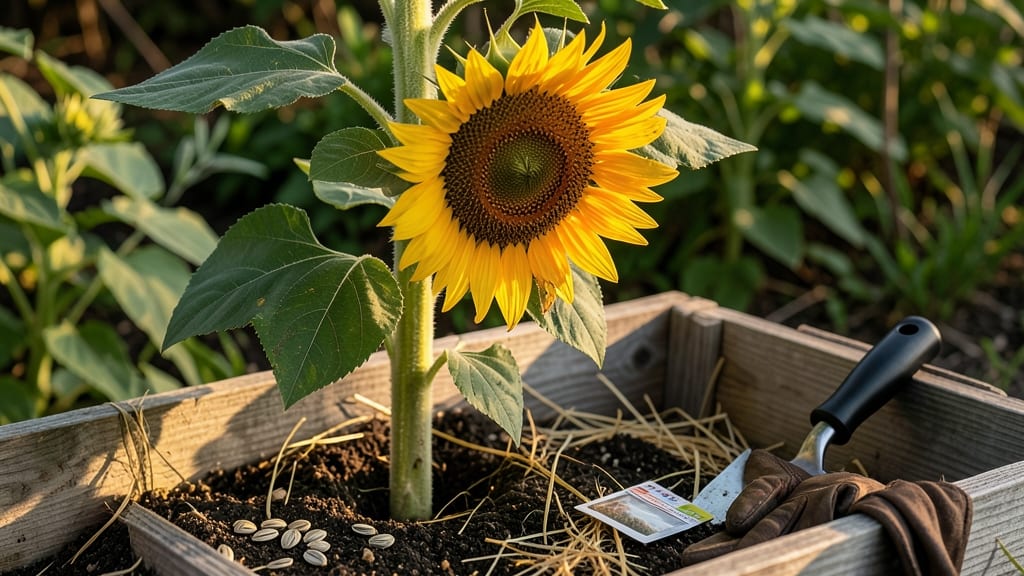
Planting sunflower seeds in Florida might seem tricky with its unpredictable weather, but getting the timing right guarantees towering blooms that’ll turn heads all season long.
The key is avoiding those scorching summer months when seeds struggle to germinate—think March to April for spring sunflowers or August to September for fall varieties.
Sunflowers thrive in Florida’s 9a-11 zones, where frost is rare, but even here, heat waves can stress young plants. Start seeds when soil temps hit 50°F—that’s usually after the last cold snap in early spring or before summer’s peak intensity.
This simple adjustment makes all the difference between wilted sprouts and 10-foot giants by harvest time.
Whether you’re aiming for June-July blooms or late-season color in October, I’ll break down the exact windows to plant for maximum success. No more guessing—just proven dates tailored to Florida’s climate so your sunflowers flourish from seed to seed head.
Ready to grow sunflowers that stand out? Let’s dive into the perfect planting schedule and tips to keep them thriving through Florida’s heat and humidity.
Best sunflower planting dates in Florida by heat zone (avoid these mistakes)
Sunflowers thrive in Florida’s long growing season, but planting at the wrong time means stunted growth or bolting before blooming. Florida’s USDA Heat Zones 9-11 create unique windows—spring for cool-season varieties and fall for heat-tolerant types. Skip these mistakes: planting in peak summer heat or ignoring soil temperature cues.
Most of Florida experiences no frost, but North Florida (Zone 9) may see rare dips below 32°F in January. South Florida (Zones 10-11) stays frost-free year-round. Aim for soil temps between 50°F and 85°F—below 50°F delays germination, while above 90°F stresses young seedlings.
Here’s your heat-zone safe planting schedule, including ideal months, soil prep tips, and variety recommendations to avoid common pitfalls:
| Heat Zone | Best Planting Months | Soil Temp (°F) | Ideal Varieties | Avoid Planting |
|---|---|---|---|---|
| 9A (North FL) | Feb–Mar, Aug–Sep | 50–75°F | ‘Moulin Rouge’ (dwarf), ‘Russian Giant’ (tall) | May–June (peak heat) |
| 9B (Central FL) | Jan–Mar, Aug–Oct | 55–80°F | ‘Autumn Beauty’ (fall), ‘Teddy Bear’ (small) | July (extreme heat) |
| 10A–11 (South FL) | Year-round (best: Sep–Nov, Feb–Mar) | 60–85°F | ‘ProCut’ (cut flowers), ‘Sunspot’ (dwarf) | Dec–Jan (humidity stress) |
For North Florida (Zone 9A), start seeds indoors in late January for early spring blooms. Transplant outdoors after the last frost risk (typically mid-March). In Central Florida (Zone 9B), you can plant directly in February, but use shade cloth if temps dip below 45°F at night.
South Florida’s Zones 10-11 offer year-round planting, but focus on fall (August–September) for heat-tolerant varieties like ‘ProCut’ or ‘Sunspot’. These thrive in summer’s humidity and bloom before winter’s dry spells. Avoid planting in December–January—high humidity and erratic rains can cause fungal issues.
Pro tip: Test soil temperature with a soil thermometer before planting. If it’s below 50°F, wait 1–2 weeks. For summer starts, use shade cloth (30–50%) to protect seedlings from intense afternoon sun. Mulch with straw or pine needles to retain moisture and regulate soil temp.
Common mistakes to avoid: Overwatering young seedlings (sunflowers hate soggy roots) or skipping succession planting. In Florida, you can stagger plantings every 2–3 weeks from March to September for continuous blooms.
Just adjust spacing—taller varieties like ‘Russian Giant’ need 2–3 feet apart, while dwarfs like ‘Teddy Bear’ thrive in 12-inch circles.
Harvest time varies by variety: Dwarf sunflowers mature in 50–60 days, while giants take 90–120 days. In Florida’s heat, watch for bolting (premature flowering)—this happens when days get too long (14+ hours of light). To delay blooming, use blackout cloth for 8–10 hours daily during summer starts.
🌻
How to extend Florida’s sunflower growing season for continuous blooms
Sunflowers in Florida don’t have to be seasonal—with the right techniques, you can enjoy continuous blooms from spring through fall. The trick lies in strategic planting and protecting young plants from extreme heat.
By using shade cloth for summer starts and selecting heat-resistant varieties, you can push your sunflowers beyond the traditional March-April window.
For fall sunflowers, focus on late summer planting (August-September) to avoid the worst heat while still catching the cooler months. In South Florida’s Zone 11, where frost is rare, you can even experiment with winter sunflowers using protective measures.
The key is balancing timing, variety selection, and seasonal adjustments to keep your garden vibrant all year.
Here’s how to extend your sunflower season with three proven techniques—each designed to maximize growth and minimize stress in Florida’s climate:
Plant seeds under 30-50% shade cloth in May-June to protect young sprouts from scorching heat. Remove cloth once plants reach 6 inches tall to encourage strong stems.
Stagger plantings in March, April, and August to ensure a steady supply of blooms. For example, plant ‘Autumn Beauty’ in early August for October-November color.
Opt for ‘Moulin Rouge’ (deep red blooms) or ‘Autumn Beauty’ (multi-colored), both of which tolerate 90°F+ temps better than standard varieties.
For fall/winter protection in South Florida, follow this simple 3-step checklist to safeguard your sunflowers during cooler months:
- Mulch heavily with straw or pine needles to insulate roots from temperature swings. Aim for a 3-inch layer around each plant.
- Use row covers on nights when temps dip below 50°F. Lightweight frost cloth works perfectly—remove it during the day for sunlight.
- Water deeply before sunrise to prevent frost damage. Wet soil retains heat better, protecting roots from overnight chills.
With these techniques, your sunflowers will thrive year-round, turning your Florida garden into a continuous canvas of color. The secret? Adapt, protect, and plant smart—just like the pros do! 🌻