
Plants
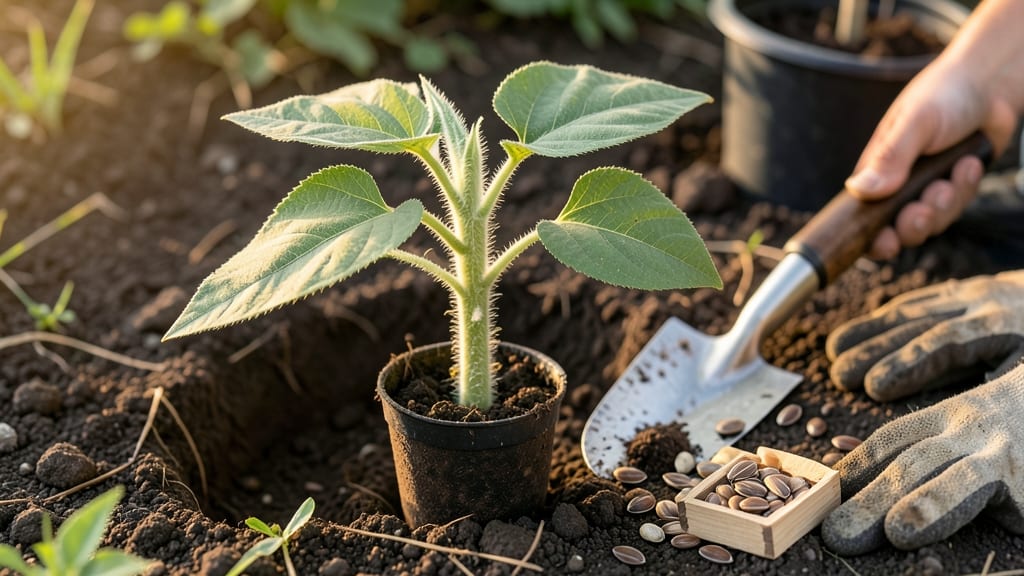
Optimal soil temperature for planting sunflower seeds outside
Sunflowers thrive when planted in warm soil, but the key to fast germination lies in understanding soil temperature thresholds. Seeds need consistent warmth to break dormancy and sprout efficiently.
For sunflowers, the ideal soil temperature range for planting is between 40°F and 60°F, with germination rates improving dramatically once soil reaches 60°F or higher. Planting too early in cold soil can lead to slow, uneven sprouting or even rot.
Soil temperature is often overlooked in favor of air temperature, but it’s the soil warmth that triggers seeds to germinate. Unlike cool-season crops, sunflowers are warm-season plants that perform best when the ground has absorbed enough heat to support rapid growth.
If you’ve ever planted sunflower seeds only to see them take weeks to sprout, chances are your soil was too cold. Let’s fix that!
To test your soil’s readiness, use a simple soil thermometer—the gold standard for accuracy. Insert it 2-3 inches deep (where seeds will be planted) and wait 5-10 minutes for a stable reading.
If the temperature is below 50°F, your seeds may struggle to germinate. For faster results, aim for soil that’s at least 55°F, which is the sweet spot for most sunflower varieties.
No soil thermometer? No problem! Try the fist test, a DIY method gardeners use for centuries. Push your fist 2-3 inches deep into the soil. If it feels cool but not freezing, your soil is likely between 50°F–60°F.
If it feels warm to the touch, you’re in the ideal 60°F–70°F range. This method isn’t precise, but it’s a great quick check when you’re in a hurry.
Another trick is to watch for natural indicators in your garden. When dandelions bloom and early spring weeds like chickweed appear, your soil is warming up. These plants are often the first to signal that conditions are right for sunflowers. Pair this with your soil test for foolproof timing.
If your soil is still too cold, don’t rush—patience pays off. Sunflowers planted in cold soil may take 2–3 weeks to germinate, while warm soil can sprout seeds in just 3–7 days.
Use this time to prepare your garden beds by loosening soil, adding compost, and ensuring good drainage. Well-prepared soil warms up faster and holds moisture better, giving your seeds the best possible start.
Once your soil hits 60°F or warmer, you’re ready to plant. For rapid growth, aim to sow seeds when soil is consistently in the 65°F–75°F range. This ensures your sunflowers will shoot up quickly, giving you those towering blooms by midsummer.
Keep an eye on nighttime temperatures too—if they drop below 50°F after planting, use row covers to protect tender seedlings.
Remember, sunflowers are fast growers, but they need the right conditions to thrive. By mastering soil temperature, you’ll set your sunflowers up for successful germination and vigorous growth. Soon, you’ll be enjoying their bright faces and edible seeds all summer long!
Best planting months by US hardiness zones (with regional adjustments)
Sunflowers thrive when planted after the last frost date, but your USDA hardiness zone determines the perfect window. In Zone 2-4, wait until late May to June—earlier planting risks frost damage to tender seedlings.
Meanwhile, gardeners in Zone 5-7 can start as early as mid-April, while Zone 8-10 growers enjoy a longer window from March to early April.
Regional quirks matter too. High-altitude areas (like Colorado or Utah) may need to delay planting by 2-4 weeks due to cooler soil temperatures, while coastal climates (e.g., Pacific Northwest) can plant 1-2 weeks earlier thanks to milder springs.
Always check your local frost dates—a late freeze can stunt growth or kill young plants.
For fast germination, aim for soil temps between 55°F-65°F. Use a soil thermometer to check—sunflowers sprout in 7-14 days under ideal conditions. If your area has unpredictable frosts, opt for dwarf varieties (like 'Teddy Bear'), which mature faster and tolerate cooler temps better.
Pro tip: Direct sow seeds outdoors for best results—sunflowers hate transplanting. Scatter seeds 1 inch deep and 6 inches apart, then thin seedlings to 12-24 inches apart as they grow. This spacing prevents overcrowding and ensures strong stems that support those towering blooms.
Remember, sunflowers grow 3-14 feet tall—choose a sunny, open spot away from structures. If you’re in a windy area, consider staking tall varieties like 'Mammoth' to avoid flopping. With the right timing, you’ll enjoy vibrant blooms by summer and maybe even harvest seeds for next year!
🌻