
Flowers
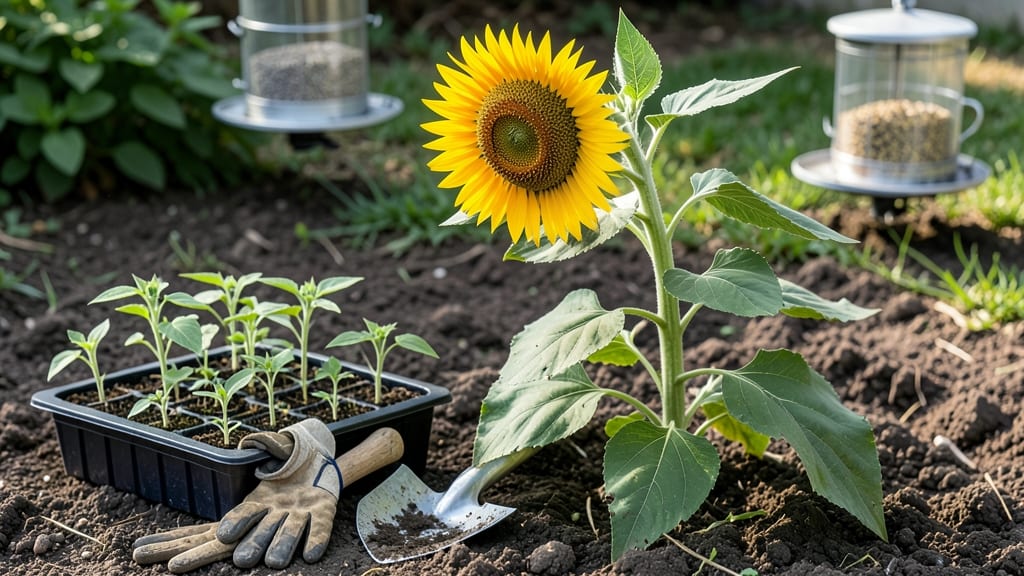
Planting sunflowers for doves in Texas isn’t just about timing—it’s about creating a year-round buffet for these feathered visitors. The key is getting those seeds in the ground when soil temperatures hit 60°F, ensuring your 🌻 sunflowers thrive just as doves arrive for their late spring feast.
Texas gardeners know the difference between a wasted planting and a dove magnet comes down to one thing: frost-free timing. North Texas gardeners should wait until after March 15, while Central and South Texas can start as early as January.
The goal? Staggered blooms from June through October to keep doves flocking.
You’ll want to focus on shorter varieties like 'Teddy Bear' or 'Autumn Beauty'—doves prefer these over towering giants. With the right timing and a few Texas-specific tricks, your sunflower patch won’t just be pretty; it’ll be a dove superhighway.
Ready to turn your garden into a dove haven? I’ll walk you through the exact planting schedule, soil prep, and care tips to make sure your sunflowers are ready when those hungry birds show up.
Best planting windows for Texas sunflowers to attract doves year-round
Timing your sunflower planting right is the secret to a dove-friendly garden that thrives all season. In Texas, where late frosts and scorching summers can wreck your plans, knowing the perfect window ensures your 'Mammoth' or 'Autumn Beauty' varieties grow strong and seed-heavy for doves.
I’ve broken down the ideal planting schedule by Texas region to help you avoid common pitfalls like seedling loss or heat stress.
Doves love sunflowers because they’re packed with high-energy seeds, but they need the plants to mature before summer’s intensity kicks in. The key is planting when soil temperatures hit 60°F+ and frost risk drops.
In North Texas, that’s late February to early April, while Central and South Texas gardeners can start as early as January. Let’s dive into the specifics so you can create a year-round dove buffet.
🌱
| Texas Region | Last Frost Date | Ideal Planting Window | Soil Temp for Germination | Dove-Friendly Varieties | Avoid Planting After |
|---|---|---|---|---|---|
| North Texas (Dallas, Fort Worth) | March 15 | Late February - Early April | 60°F+ | 'Teddy Bear', 'ProCut', 'Mammoth' | May 1 (heat stress risk) |
| Central Texas (Austin, San Antonio) | February 15 | January - March | 65°F+ | 'Autumn Beauty', 'Russian Giant', 'Sunspot' | April 15 (summer drought) |
| South Texas (Houston, Corpus Christi) | January 15 | December - February | 70°F+ | 'ProCut', 'Teddy Bear', 'Little Becka' | March 1 (extreme heat) |
| All Regions | - | Stagger plantings every 2-3 weeks | 60°F+ | Any dove-friendly variety | When night temps exceed 85°F |
For North Texas gardeners, the late February to early April window is critical because frost can linger until mid-March. Planting too early risks seedling death, while waiting too long means your sunflowers may bolt in the heat.
I recommend starting with 'Teddy Bear' varieties—their compact size (1-3 ft) makes them perfect for doves and easier to manage in smaller spaces.
Central Texas has a longer growing season, so you can push your planting window to January through March.
This gives you time for two successive plantings: one in January for early summer blooms and another in March for fall interest. 'Autumn Beauty' is my go-to here because its deep red petals contrast beautifully with the golden seeds doves adore.
South Texas gardeners have the advantage of year-round growing potential, but heat is still a factor. Plant in December through February to avoid the brutal summer months. 'ProCut' is drought-resistant and produces high-yield seed heads, making it ideal for attracting doves when water is scarce.
Just be sure to mulch heavily to retain moisture.
No matter your region, staggered planting is the secret to a continuous dove food source. By sowing new seeds every 2-3 weeks, you’ll ensure blooms appear from late spring through fall.
This approach also reduces the risk of pest outbreaks like aphids, which can decimate entire plantings if left unchecked.
One common mistake I see is planting sunflowers too close to summer’s peak. Once temperatures consistently hit 90°F+, even drought-tolerant varieties struggle. If you’re in North Texas and plant after May 1, expect stunted growth and low seed production.
Instead, focus on fall planting for a second harvest before winter sets in.
To maximize dove visits, pair your sunflowers with water sources like shallow birdbaths. Doves need water for drinking and bathing, and placing these near your sunflower patch creates a wildlife oasis.
I’ve also had success adding native Texas grasses like switchgrass around the edges—they provide cover while keeping pests at bay.
Finally, don’t overlook soil preparation. Sunflowers thrive in well-draining soil with a pH of 6.0-7.5. Before planting, amend your soil with compost or aged manure to boost nutrient levels.
In clay-heavy areas (common in Central Texas), mix in sand or perlite to improve drainage. Healthy soil means stronger stems and heavier seed heads—a dove’s dream!
With the right timing and a little planning, your Texas garden can become a dove haven from spring to fall. Start with the regional guidelines above, and don’t forget to monitor your plants weekly for pests or nutrient deficiencies. Happy planting—your feathered friends will thank you! 🌻
Top 5 dove-friendly sunflower varieties for Texas gardens & their planting quirks
When choosing sunflowers to attract doves in Texas, I focus on varieties that bloom early, stay compact, and produce abundant seeds—key traits doves love. Russian Giant is my top pick because its towering 12-14 ft stalks produce massive seed heads that doves adore, but I always pair it with shorter varieties to create a layered garden. Doves prefer sunflowers under 3 ft tall because they can easily access the seeds without risking predation from ground predators.
For Texas gardens, I prioritize sunflowers that thrive in heat and drought while still attracting doves. The Teddy Bear variety is a compact 2-3 ft option that blooms early, perfect for North Texas gardeners who want to get a head start before summer heat arrives.
Its double-layered petals make it visually stunning while providing plenty of seeds for doves.
Here’s how I balance these varieties for maximum dove appeal while accounting for Texas’s variable climate:
When to Plant Sunflowers for Doves in Texas
Pro Tip: Plant ProCut sunflowers in South Texas—they’re drought-resistant and bloom late, providing seeds when other varieties fade.
The Autumn Beauty variety is another dove favorite because its multi-colored petals attract birds and pollinators alike. It matures slightly later than Teddy Bear, making it ideal for Central Texas gardeners who want a mid-season bloom.
I always plant a few rows of this variety alongside my Russian Giants to ensure doves have a continuous food source from June through September.
For South Texas, I turn to ProCut sunflowers because they’re bred for drought tolerance and produce high-yield seed heads even in scorching heat. Doves flock to these because the seeds remain plump longer, and the plants stay upright despite Texas’s summer winds.
I plant them in raised beds to improve drainage and prevent root rot.
Finally, I include Moulin Rouge sunflowers for their striking bicolor blooms, which doves find irresistible. These sunflowers are slightly shorter (4-5 ft) and bloom early, making them perfect for North Texas gardens where summers arrive abruptly.
I always plant them near fences or treelines to provide natural perches for doves while they feed.
To maximize dove visits, I stagger plantings every 2 weeks from February through April. This ensures a continuous bloom cycle that keeps doves returning all season long—no more empty seed heads when birds arrive! 🌻