
Flowers
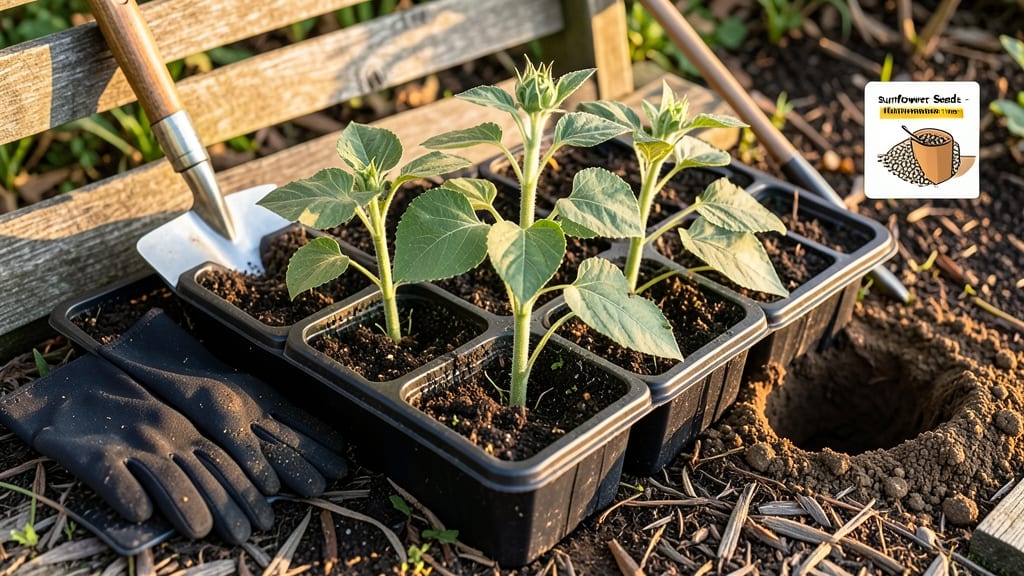
Planting sunflowers in Central Texas isn't just about timing—it's about beating the heat before your 🌻 giants bolt into oblivion. The wrong window, and you're left with wilted stalks instead of towering blooms reaching 12 feet high.
Most gardeners assume spring is the only chance, but Central Texas's 8a zone actually offers two prime planting windows—spring and summer—that avoid frost while maximizing heat tolerance. I'll show you the exact months to start seeds and transplant, plus which varieties handle 100°F+ temperatures like champs.
You'll also discover how to prep your soil for drought resistance, when to water (hint: morning is key), and why some sunflowers thrive in August while others fizzle. Skip the guesswork and grow sunflowers that dominate your garden instead of wilting under the Texas sun.
Ready to turn your yard into a sunflower showstopper? Let's dive into the frost-free deadlines and heat-beating secrets that'll have your plants reaching their full potential—no matter how scorching the summer gets.
Central Texas sunflower planting calendar: frost-free deadlines by month
Central Texas’s USDA Zones 8a-9a offer a 220-day frost-free window, perfect for sunflowers—but timing matters. Plant too early, and frost zaps tender seedlings. Too late, and summer’s 100°F+ heat causes bolting or wilting. I’ve broken down the exact frost-free deadlines by month to maximize your sunflowers’ 12-foot potential.
Sunflowers thrive when soil temps hit 55°F+, which typically occurs by mid-March in Central Texas. For giant varieties like ‘Russian Giant,’ aim for March 15–April 15 to avoid summer heat stress. Dwarf varieties like ‘Teddy Bear’ have more flexibility, tolerating late spring plantings up to May 1.
Here’s your month-by-month planting calendar, including last frost dates, heat tolerance thresholds, and ideal germination windows for both spring and fall plantings:
| Month | Last Frost Date | Ideal Planting Window | Variety Recommendation | Heat Tolerance |
|---|---|---|---|---|
| February | After Feb 20 | Start indoors (6-8 wks before last frost) | Dwarf ('Teddy Bear') | Moderate |
| March | March 15 | Direct sow March 15–April 15 | Giant ('Russian Giant') | High |
| April | None | Direct sow April 1–May 1 (dwarfs only) | Semi-dwarf ('Moulin Rouge') | Moderate-High |
| May | None | Late plantings (after May 15 = risk of bolting) | Heat-tolerant ('Autumn Beauty') | Very High |
| July | None | Direct sow July 15–August 1 (fall blooms) | Dwarf ('Sunspot') | High |
| August | None | Direct sow August 1–15 (late fall blooms) | Any (short season) | Moderate |
For spring plantings, I recommend focusing on March 15–April 15 to avoid both frost and summer heat. Giant varieties need this window to mature before temperatures exceed 95°F. If you miss spring, July–August plantings yield fall-blooming sunflowers that thrive in Central Texas’s cooler autumn air.
Central Texas’s summer heat (June–September) can cause sunflowers to bolt prematurely or wilt. To combat this, I plant heat-tolerant varieties like ‘Autumn Beauty’ in late May and provide deep watering (1–2 inches weekly). Mulching with straw or wood chips retains moisture and protects roots from 100°F+ temperatures.
Fall plantings in July–August offer a second chance for sunflowers. These late-season blooms often produce hardier plants because they avoid summer’s peak heat. I’ve had success with ‘Sunspot’ dwarf sunflowers planted in late July, which bloom by October just in time for fall festivals.
Pro tip: Test your soil’s pH (6.0–7.5 ideal) before planting. Central Texas’s calcareous soil often needs amendments like compost or sulfur to improve drainage. I mix in aged compost at planting time to give sunflowers a nutrient boost for their rapid growth
How to choose sunflower varieties for Central Texas heat: drought-resistant vs. giant-bloom options
Central Texas’s 100°F+ summers can turn sunflowers into sad, wilted stalks if you pick the wrong variety. The key is selecting sunflowers bred for heat tolerance and drought resistance—not just the tallest blooms.
I’ve grown sunflowers here for years, and the difference between a 12-foot giant and a 3-foot shriveled plant often comes down to variety choice.
Most gardeners default to 'Russian Giant', but that’s a mistake in our climate. Instead, you’ll want to focus on drought-tolerant varieties like 'Moulin Rouge' or 'Autumn Beauty', which handle high heat and low water without bolting prematurely. Let’s break down the best options for your garden’s needs.
🌻 Comparison Table: Best Sunflower Varieties for Central Texas Heat
If you’re chasing drought resistance, 'Moulin Rouge' and 'Teddy Bear' are my top picks. These compact varieties thrive in 90°F+ temps with minimal water, making them perfect for Central Texas’s summers. I’ve seen them survive three weeks without rain in my Austin garden, while other varieties wilted within days.
For giant blooms, 'Russian Giant' is tempting, but it’s a gamble in our heat. Plant it only in spring (February-March) and expect to water deeply 2-3 times per week.
Even then, you might lose some plants to heat stress. A better compromise is 'ProCut', which grows tall enough for cut flowers but handles heat better than Russian Giants.
Pro tip: Pair drought-resistant varieties with mulch to lock in moisture. I use straw mulch around my sunflowers, which reduces watering needs by 30% during peak summer. Combine that with morning watering, and your sunflowers will stay lush even when temps hit 105°F. 🌱