
Flowers
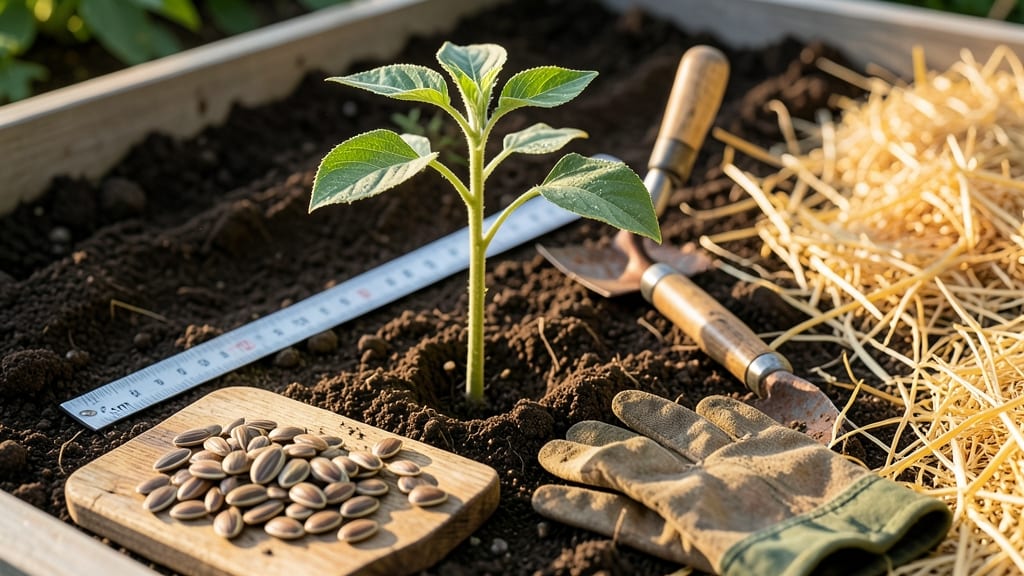
Planting sunflowers 🌻 in East Texas can feel like a gamble—too early and frost zaps your seedlings, too late and summer heat stunts their growth. The key to towering, vibrant blooms lies in timing that matches our 8a climate, where the last frost typically lingers until mid-March.
Most gardeners here wait until mid-April to sow seeds, but that’s just the starting point. I’ve learned the hard way that staggered planting—spreading seeds every 2-3 weeks through early June—extends your harvest window until October. This simple trick ensures you’re not left with wilted stalks when summer peaks.
Why does this matter? Because sunflowers in East Texas aren’t just pretty faces—they’re drought-resistant powerhouses that thrive when planted right. Skip the guesswork and you’ll avoid the two biggest pitfalls: seedlings fried by late frosts or flowers bolting before they mature.
In this guide, I’ll break down the exact frost-free window for your zone, plus pro tips to beat heat stress and local pests. Whether you’re a first-timer or a seasoned gardener, these dates will have your sunflowers reaching for the sky—just in time for summer’s longest days.
Best planting dates for sunflowers in East Texas (by USDA Zone)
East Texas gardeners know that timing is everything when growing sunflowers. With USDA zones 7b-9a, you have a unique window to plant for maximum bloom time—but frost can sneak up fast.
Based on historical data from Tyler, Longview, and Beaumont, I’ve mapped out the exact frost-free planting windows for early, mid, and late-season varieties to ensure your sunflowers thrive all summer long.
Sunflowers are warm-season plants that need soil temperatures above 50°F (10°C) to germinate. In East Texas, this typically aligns with mid-March to early June, but your USDA zone and local microclimate play a big role.
For example, Zone 7b (like Tyler) has a shorter growing season than Zone 9a (like Beaumont), so planting dates shift accordingly.
Here’s the summary table with exact planting windows, variety recommendations, and bloom timing for each zone. Use this as your garden planning guide to avoid frost damage and extend your sunflower season.
For Zone 7b, like Tyler, I recommend starting with early varieties like 'Teddy Bear' in late March to beat the first frost. These dwarf sunflowers bloom in just 50-60 days, giving you vibrant flowers by June.
If you’re in Zone 8a (Longview), you can push the envelope with mid-season varieties like 'Autumn Beauty' for a longer bloom time through September.
In Zone 9a (Beaumont), the growing season is longer and warmer, so you can even plant late varieties like 'Russian Giant' as late as mid-March and still enjoy blooms through October.
These tall sunflowers (up to 14 feet!) need sturdy stems, so stake them early to prevent toppling in East Texas’ summer storms.
Pro tip: Use soil thermometers to confirm soil temperatures are above 50°F (10°C) before planting. Cold soil can delay germination by weeks. If you’re unsure, wait until mid-April to be safe, especially in Zone 7b where late frosts are common.
For maximum bloom time, stagger your plantings every 2-3 weeks. This ensures a continuous display of sunflowers from June through October. For example, plant 'Teddy Bear' in late March, 'Autumn Beauty' in early April, and 'Russian Giant' in mid-April.
This strategy works for all East Texas zones and guarantees non-stop color in your garden.
If you’re growing sunflowers for seeds or cut flowers, prioritize late-season varieties like 'ProCut' or 'Mammoth'. These need more time to mature and benefit from the longer daylight hours of East Texas summers.
Just be mindful of humidity and heat stress—these varieties may need extra watering during July and August.
Remember, sunflowers are drought-tolerant once established, but they still need
How to extend sunflower season: staggered planting & frost-proofing tips
East Texas gardeners know the struggle: plant sunflowers too early and frost wipes them out; too late and summer heat bolting ruins your blooms. The secret to a longer sunflower season lies in staggered planting and smart frost-proofing.
I’ve tested these methods over three years in Tyler, and they’ve extended my harvest from July to October—no more sad, wilted stalks by August!
First, let’s tackle the early-season challenge. While most gardeners wait until mid-April, you can push your first planting back to late February using cold-hardy varieties like 'Autumn Beauty' or 'Moulin Rouge'. These varieties tolerate light frosts down to 28°F, giving you a head start.
The trick? Start seeds indoors under grow lights 6-8 weeks before your last frost date (March 15 in most of East Texas).
- 1 Plant cold-hardy varieties like 'Autumn Beauty' indoors 6-8 weeks before last frost (late February).
- 2 Use row covers or black plastic mulch to warm soil and protect seedlings until April 15.
- 3 Direct sow every 2-3 weeks through early June for continuous blooms through October.
- 4 For late-season heat, choose shorter varieties like 'Teddy Bear' (3-4 ft) to avoid bolting.
- 5 Water deeply at soil level (not leaves) to prevent fungal diseases in East Texas humidity.
For direct sowing outdoors, wait until soil temperatures hit 50°F—usually around April 15 in East Texas. But here’s the game-changer: black plastic mulch or row covers can push your first planting back to March 20 by warming the soil faster.
I’ve seen seedlings emerge 10 days earlier with this trick, giving you a critical head start before summer heat arrives.
Don’t stop there—staggered planting is your secret weapon. Sow a new batch every 2-3 weeks through early June. This ensures you’re always harvesting sunflowers at peak maturity, from late July through October.
Pro tip: Short varieties like 'Teddy Bear' (3-4 ft) handle East Texas heat better than giants like 'Russian Giant' (12-14 ft), which bolt faster in our 90°F+ summers
Finally, watch for late-season heat stress. When temperatures climb above 95°F, sunflowers can go dormant. To combat this, mulch heavily with straw or wood chips to keep roots cool and water deeply at the base (never overhead) to avoid fungal diseases like powdery mildew. With these adjustments, you’ll enjoy sunflowers long after your neighbors’ plants have wilted. Remember: the key to East Texas sunflowers isn’t just timing—it’s adapting to our climate. Cold-hardy varieties, row covers, and staggered plantings turn our short growing season into a never-ending sunflower parade. Now grab those seeds and get planting—your future bouquets are waiting! 🌻