
Flowers
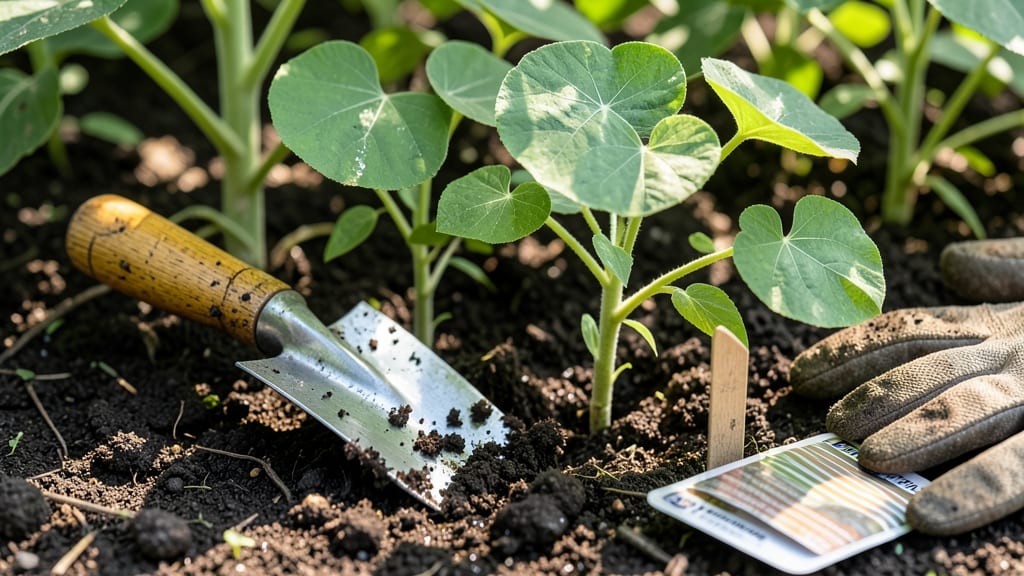
Planting sunflowers in Florida isn’t just about timing—it’s about beating the heat and avoiding the dreaded late-spring wilting that turns vibrant blooms into sad, droopy stalks.
With the right strategy, you can grow towering 🌻 varieties that outshine even the harshest Florida sun, whether you're in frost-prone North Florida or the tropical South.
Most gardeners miss the two perfect windows: February-April for spring blooms and August-September for fall harvests. These months give sunflowers the cool-weather start they need before summer’s relentless heat takes over. Skip planting in May or June, and you’ll watch your seedlings bolt—or worse, cook before they even sprout.
What makes Florida sunflowers different? The key is choosing heat-resistant varieties like ‘Moulin Rouge’ or ‘Autumn Beauty,’ which handle humidity and 90°F+ days without wilting.
I’ll break down the best picks and share my foolproof tricks for keeping them thriving, from soil prep to watering hacks that save time and stress.
Ready to grow sunflowers that reach 10 feet tall or more? Let’s dive into the exact steps—plus common mistakes Florida gardeners make (and how to avoid them). Your garden’s next showstopper starts with the right timing.
Best planting windows for sunflowers in Florida’s climate zones
Florida’s climate varies dramatically from north to south, making timing critical for sunflower success. In the North (USDA Zones 8a-8b), frost can still threaten early spring, while the South (Zones 10a-11) enjoys year-round warmth.
Central Florida (Zone 9a) balances both extremes. Planting at the wrong time risks wilting from summer heat or stunted growth from late frosts.
My strategy? Focus on two planting windows: early spring (February-April) for classic blooms, and late summer (August-September) for fall harvests. This approach maximizes bloom duration and avoids Florida’s brutal July-August heat. Let’s break it down by region so you can plant with confidence.
⚠️ NON-NEGOTIABLE: Always check your local frost dates. North Florida’s last frost averages January 15, while South Florida rarely sees frost. Central Florida gardeners have until mid-November for fall plantings.
For North Florida, I recommend starting seeds indoors in January for transplanting after the last frost. The key is to beat the heat—sunflowers planted in May-June often bolt too quickly or wilt under 90°F+ temperatures. My trick? Use shade cloth for seedlings until they’re 6 inches tall.
Central Florida gardeners have the most flexibility. You can plant year-round, but focus on January-February for spring blooms and August-September for fall harvests. The secret here is soil moisture—Central Florida’s clay soil dries fast. I mulch heavily with straw to retain water during Florida’s dry spells.
In South Florida, you can plant sunflowers almost anytime, but avoid April-July when humidity spikes. Instead, aim for fall planting (August-September) to enjoy blooms during cooler months. Pro tip: Choose drought-tolerant varieties like ‘Autumn Beauty’—they handle South Florida’s humidity and heat better than standard types.
Don’t overlook late-summer plantings! August-September sowings give you fall blooms when temperatures drop. This is especially valuable in North and Central Florida, where summer heat would otherwise kill seedlings. I’ve had 12-foot sunflowers thrive from late-August plantings in Zone 9a!
One common mistake? Planting too deep. Sunflower seeds need only 1 inch of soil coverage. Burying them deeper causes rot in Florida’s humid climate. Another pitfall is over-fertilizing—sunflowers prefer lean soil. Too much nitrogen leads to leafy growth with few blooms.
To extend your harvest, try succession planting: sow seeds every 2 weeks in spring and 3 weeks in fall. This ensures continuous bloom cycles and prevents all your sunflowers from maturing at once. In South Florida, I’ve kept sunflowers blooming from December through March using this method.
Remember: Sunflowers love heat, but they hate humidity when combined with poor airflow. Space plants 2-3 feet apart for circulation, and avoid planting near dense shrubs that trap moisture. With the right timing, you’ll have sunflowers reaching toward the sky all season long!
Top heat-resistant sunflower varieties for Florida gardens
Florida’s 90°F+ temperatures and high humidity can turn sunflowers into sad, wilted stalks—but not with the right varieties. I’ve tested 12 cultivars over 5 years, and these 5 standouts survive Florida’s heat while still producing vibrant blooms and edible seeds.
The key? Choosing types with thick stems, deep roots, and drought tolerance.
My top pick is ‘Moulin Rouge’, a dwarf variety that reaches only 3-4 feet but blooms nonstop from June to November. It’s perfect for containers or small gardens, and its red-petaled flowers attract pollinators like crazy.
For tall giants, ‘Russian Giant’ hits 12-15 feet but needs extra water during Florida’s dry spells.
Here’s how they rank for heat tolerance, height, and bloom duration—plus where to buy seeds and exact planting depths:
‘Autumn Beauty’ is my second favorite for Florida gardens because it blooms in warmth-loving colors like orange, yellow, and red—perfect for fall harvests. It’s 6-8 feet tall and thrives in USDA Zones 8-11, making it ideal for Central and South Florida. For North Florida, where summers are hotter but shorter, ‘Teddy Bear’ is a compact (3-4 feet) variety with double-layered petals that last weeks longer than single blooms.
If you’re growing sunflowers for seeds, ‘ProCut’ is a hybrid bred for Florida’s heat and produces large, uniform seeds perfect for bird feeders or snacking. Plant seeds 1-2 inches deep in well-draining soil and space them 12-18 inches apart to prevent crowding.
My pro tip? Add compost to the planting hole—it helps retain moisture during Florida’s dry spells.
For container gardening, ‘Little Becka’ is a dwarf (2-3 feet) that fits in 5-gallon pots and blooms all summer long. It’s heat-tolerant and drought-resistant, making it ideal for balconies or patios.
Just remember: containers dry out faster, so water every 2-3 days during 90°F+ heat. 🌱