
Flowers
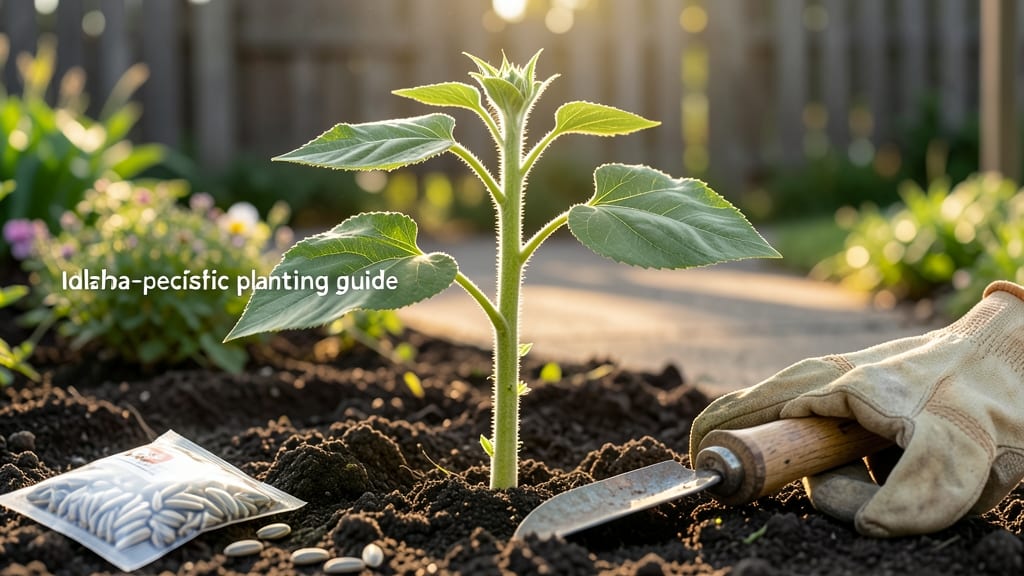
Timing your 🌻 sunflower planting in Idaho isn’t just about throwing seeds into the ground—it’s about catching that sweet spot between last frost and summer’s relentless heat. With Idaho’s USDA zones 4-7 and unpredictable spring weather, getting it right means the difference between towering blooms and wilted disappointment.
Most gardeners in Idaho wait until mid-April to early June to plant, but the real secret lies in soil temperature and local frost dates. Boise’s last frost typically hits around May 10, while northern Idaho holds out until May 20—so don’t rush!
Planting too early risks frost damage, while waiting too long cuts your growing season short.
I’ve learned the hard way that cold-hardy varieties like ‘Moulin Rouge’ or ‘Autumn Beauty’ are your best bet for Idaho’s short season. These fast-maturing types (ready in 60-70 days) give you flexibility and a head start on those July-September harvests when birds start eyeing your seed heads.
In this guide, I’ll break down the exact planting windows for your region, soil prep tips to speed up germination, and how to stretch your sunflower season—so you can enjoy those 10-foot giants without the guesswork. Let’s get those seeds in the ground the right way!
Idaho sunflower planting timeline: frost dates, soil temps, and optimal months
Sunflowers in Idaho thrive when planted after the last frost date, but the exact timing varies dramatically across regions. Boise’s average last frost hits around May 10, while Coeur d’Alene may wait until May 20—and Twin Falls often sits in between.
Soil temperatures must reach at least 50°F for seeds to germinate reliably, so don’t rush planting before Mother Nature signals the coast is clear.
Idaho’s USDA zones 4–7 create microclimates where a few weeks can mean the difference between towering sunflowers and stunted growth. In Zone 4 areas (like northern Idaho), aim for late May planting, while Zone 6–7 regions (southern Idaho) can start as early as mid-April under protective cover.
The key is balancing warm soil with frost-free nights.
Spring planting is the gold standard for sunflowers, but Idaho’s short growing season demands precision. Most varieties need 60–90 days to mature, so planting too late risks first frost cutting blooms short. Fall planting is possible only for fast-maturing varieties (under 60 days) sown in late July or August, with seeds harvested before October’s first frost.
🌱Pro Tip: Use a soil thermometer to confirm 50°F+ soil temps before planting—this beats guessing and ensures germination.
For Boise gardeners, the sweet spot is mid-April to May 15—planting before April 15 risks late frosts, while waiting past May 15 may delay blooms until September, cutting the season short.
In Coeur d’Alene, where frosts linger longer, hold off until late April and prioritize fast-maturing varieties like ‘Autumn Beauty’ (60 days).
🌡️Soil temperature is your best friend: Use a soil thermometer to confirm 50°F+ at 2-inch depth. Cold soil delays germination by weeks. If temps hover around 45°F, cover seeds with black plastic mulch to warm the soil faster.
This trick adds 1–2 weeks to your planting window in cooler microclimates.
Fall planting is risky but doable for Idaho’s shorter season. Sow fast-maturing varieties (under 60 days) in late July or August, aiming to harvest seeds before first frost.
In Boise, this means seeds in the ground by August 15; in northern Idaho, push it to July 20 at the latest. Use row covers to extend the season by 2–3 weeks.
💡Microclimates matter: Urban areas like Boise warm up faster than rural zones, while valley floors (e.g., Twin Falls) can plant 2 weeks earlier than mountain foothills. Observe your yard’s frost patterns for 3 years
Best cold-hardy sunflower varieties for Idaho’s short growing season
Idaho’s short growing season demands sunflower varieties that mature quickly and tolerate cool nights without sacrificing height or seed production. I’ve found that early-maturing types like ‘Moulin Rouge’ and cold-hardy hybrids like ‘Russian Giant’ thrive here, even when planted just after the last frost.
These varieties not only survive Idaho’s USDA zones 4-7 but also deliver bold blooms and heavy seed yields before fall frosts arrive.
Choosing the right variety means balancing maturity time (60-90 days) with disease resistance. Idaho’s humid summers can invite powdery mildew, so look for varieties with natural resistance like ‘Autumn Beauty’ or ‘Teddy Bear.’
These picks also handle windy conditions common in Idaho’s open fields, ensuring sturdy stems even in 10+ mph winds.
🌱 Summary Table: Top 5 Cold-Hardy Sunflower Varieties for Idaho
| Variety | Days to Maturity | Height | Cold Tolerance | Disease Resistance | Seed Yield |
|---|---|---|---|---|---|
| Moulin Rouge | 55-60 days | 4-5 ft | Excellent | Powdery mildew | Moderate |
| Autumn Beauty | 60-70 days | 5-6 ft | Very good | Rust, mildew | High |
| Russian Giant | 80-90 days | 10-14 ft | Good | Mildew | Very high |
| Teddy Bear | 50-55 days | 3-4 ft | Excellent | Mildew, rust | Moderate |
| Sunspot | 60-70 days | 4-5 ft | Good | Mildew | High |
For fastest results, I recommend starting with ‘Moulin Rouge’ or ‘Teddy Bear’—both mature in 55 days or less, giving you a head start on Idaho’s July harvest window.
These dwarf varieties also work well in containers, perfect for patios or small gardens in cities like Boise or Meridian. If you’re aiming for seed production, ‘Russian Giant’ is unbeatable, though it needs more time (80-90 days) and sturdy support in Idaho’s windy conditions.
‘Autumn Beauty’ is my go-to for colorful blooms and long vase life. Its bicolor flowers (red and yellow) add drama to cut arrangements, and it handles Idaho’s temperature swings better than most.
Plant it in late May for late-summer blooms that last until first frost—often mid-October in southern Idaho.
All these varieties thrive in Idaho’s well-drained soil and full sun, but ‘Russian Giant’ demands extra care—deep, fertile soil and regular watering (1-2 gallons per plant weekly) to support its 10-foot+ stature.
For disease prevention, I mix compost into planting holes and avoid overhead watering, which can spread powdery mildew in Idaho’s humid summers.
Pro tip: Save seeds from your best-performing plants! Idaho’s cool nights actually improve seed flavor and oil content, making homegrown sunflower seeds a nutritious harvest. Let heads dry completely on the stalk before stripping seeds—this usually happens by late September in most of Idaho.