
Flowers
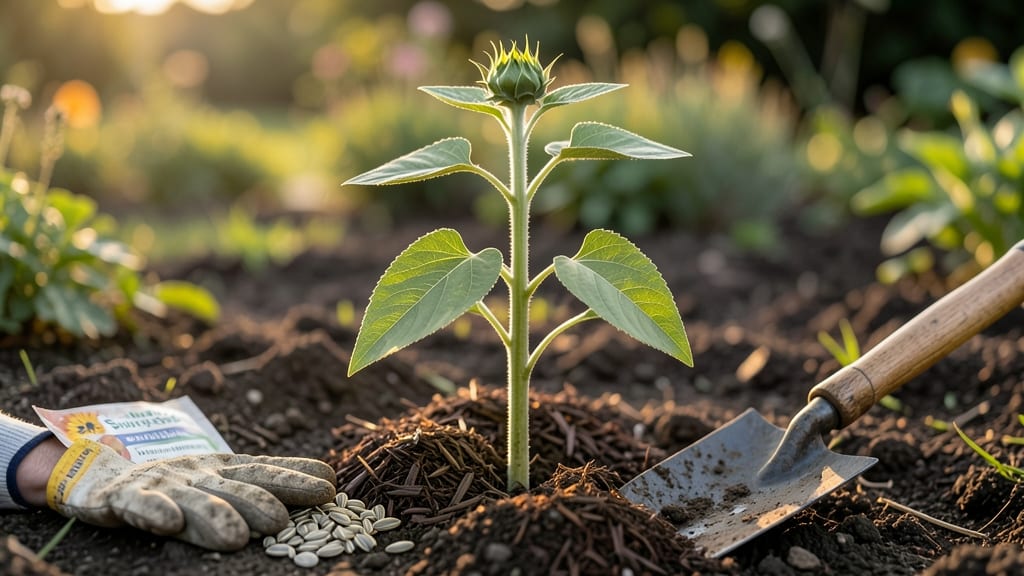
Planting sunflowers in Kentucky at the wrong time can mean the difference between a towering, vibrant 🌻 display and a sad, stunted disappointment.
The key isn't just picking a month—it's waiting for soil temperatures to hit 60°F+, when seeds finally spring to life in 5-7 days instead of rotting underground.
Most Kentucky gardeners assume mid-April is safe, but that's a gamble in USDA Zones 6a-7a, where late frosts can still linger. The real magic happens after your last frost date—usually around April 15—when both soil and air cooperate to fuel rapid growth.
I've learned the hard way that rushing sunflowers means slower germination and weaker stems. But get the timing right, and you'll enjoy blooms from July to October, with varieties reaching heights from 3 to 14 feet—some even taller than your garage door!
Ready to grow sunflowers that steal the show? Let's break down exactly when to plant for fast germination, how to prep your soil, and which varieties thrive in Kentucky's variable weather—so you can enjoy those golden faces all summer long.
Kentucky sunflower planting calendar: best months by soil temperature
Kentucky’s variable climate means sunflower planting timing varies dramatically between Bluegrass Region and Western Kentucky. While the average last frost date falls around April 15, your actual planting window depends on soil warmth—not just calendar dates.
Cold soil slows germination, leaving seeds vulnerable to rot or pests. Let’s break down the ideal planting months by soil temperature triggers and regional microclimates.
For Bluegrass Region gardeners (USDA Zones 6a-7a), the safest window spans mid-April through late May, when soil temperatures consistently reach 60°F+. In Western Kentucky, where summers arrive earlier, you can start as early as early April in sheltered microclimates.
However, late May plantings still yield strong blooms if given enough time to mature before first frost (typically October 15).
Here’s the critical rule: Never plant sunflowers when soil temps are below 55°F. At these temperatures, germination can take 3+ weeks—or fail entirely. Use a soil thermometer (just $10 at garden centers) to check depths of 1-2 inches, where seeds will sprout.
If you’re planting without a thermometer, wait until daytime air temps reliably hit 70°F+ for 3 consecutive days.
The summary-table below shows Kentucky’s planting calendar by soil temperature, frost risk, and variety suitability. Pay special attention to the heat-tolerant varieties column—these are your best bet for late May/June plantings in Kentucky’s humid summers.
If you’re in Western Kentucky, don’t overlook early April plantings—the region’s warmer microclimates often allow seeds to germinate successfully. However, Bluegrass gardeners should wait until mid-April or risk frost damage to tender seedlings.
Pro tip: Plant a test row in early April if you’re unsure. If these seeds sprout within 10 days, you’ve got a safe window to expand your planting.
For late-season plantings (June), focus on heat-tolerant varieties like 'Moulin Rouge' or 'ProCut'. These varieties can handle Kentucky’s humid summers and still produce vibrant blooms before frost. Just be prepared to water deeply (1-2 gallons per plant) every 2-3 days during dry spells.
The trade-off? You’ll miss out on early summer blooms, but late sunflowers often outperform spring-planted ones in Kentucky’s heat.
One common mistake Kentucky gardeners make is planting too close to the last frost date. While sunflowers are
5 Critical soil temperature triggers for sunflower germination success
Sunflowers won’t germinate until your soil reaches the right warmth—55°F is the absolute minimum, but anything below 60°F risks slow sprouting or rotting seeds. I’ve seen seeds planted in 50°F soil take 3+ weeks to emerge, if they sprout at all.
Kentucky’s spring soil warms unevenly, so checking temperature is non-negotiable for fast, healthy growth.
Most gardeners assume mid-April is safe, but last frost dates (usually around April 15) don’t guarantee warm soil. In USDA Zone 6a, like much of northern Kentucky, soil temps can still hover in the 40s°F even after frost danger passes.
That’s why I always wait for consistent 60°F+ readings before planting.
- 55°F–60°F: Minimum threshold for germination. Seeds may sprout slowly or rot if soil stays cold longer than 1 week.
- 60°F–65°F: Slow but reliable germination in 7–14 days. Ideal for early plantings in southern Kentucky (Zone 7a).
- 65°F–75°F: Optimal range—seeds sprout in 5–7 days, and roots establish quickly. Perfect for May plantings across Kentucky.
- 75°F+: Rapid germination (3–5 days) but risks drought stress if soil dries out. Use mulch to retain moisture.
- Below 55°F: Danger zone—seeds rot or fail to sprout. Wait for consistent warmth or use black plastic mulch to warm soil faster.
Testing soil temperature without a thermometer is easier than you think. Stick a meat thermometer (cleaned!) 2 inches deep into moist soil on a sunny afternoon. If it reads below 60°F, cover your bed with black plastic for 3–5 days to warm it up.
I’ve also had success using row covers to trap heat during the day.
Seed depth matters too—plant sunflower seeds 1 inch deep in 60°F+ soil for best results. Deeper planting in cold soil delays germination, while shallower planting risks drying out. Once sprouted, thin seedlings to 6 inches apart to prevent competition and ensure strong stems for Kentucky’s summer humidity.
Pro tip: If you’re eager to plant early, try a warm-season microclimate like a south-facing raised bed. These areas warm 5–10°F faster than open ground, giving you a 2-week head start on germination. Just monitor for frost pockets at night, especially in Zone 6a.
Remember, sunflowers are fast growers—once they sprout, they’ll shoot up 2–3 inches per day in ideal conditions. But skip the soil temp triggers, and you’ll end up with leggy, weak stems or fungal issues from overcrowding.
Get it right, and you’ll enjoy golden blooms from July to October—taller and healthier than you’ve ever grown before! 🌻