
Flowers
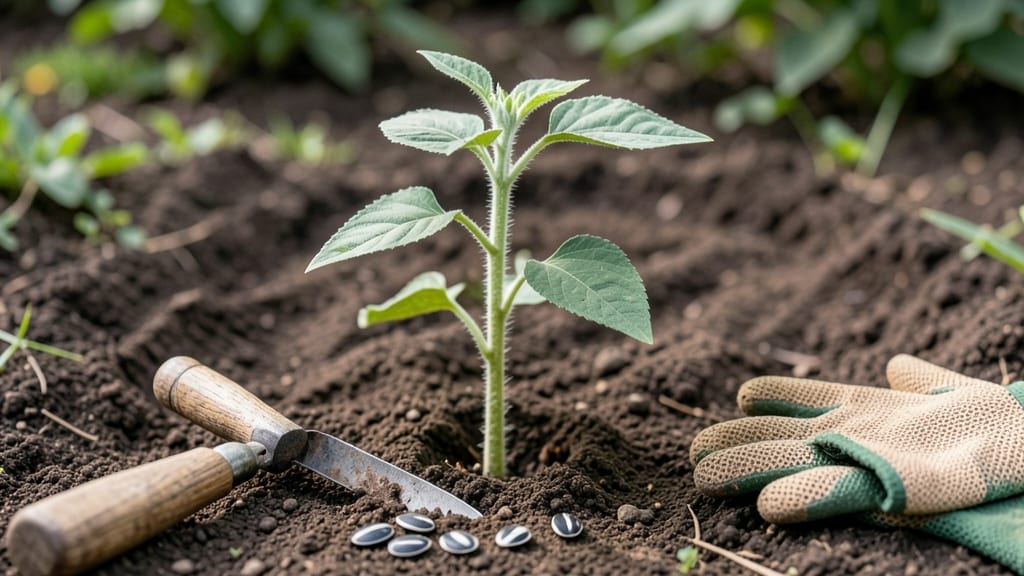
Planting sunflowers in Pennsylvania at the wrong time can mean watching your 🌻 bright blooms wither before they even reach their full height. The key to success lies in timing—specifically, waiting until after the last frost when soil temperatures hit at least 55°F.
With Pennsylvania’s USDA zones 5b-7a, your planting window typically opens between mid-April and mid-June, but exact dates vary by region. Whether you’re growing dwarf varieties for containers or towering giants for a backyard showstopper, getting this right ensures your sunflowers thrive from seed to harvest.
I’ll break down the exact frost-free timeline for your zone, plus pro tips to extend your growing season—so you can enjoy those golden faces from late summer all the way into fall. Let’s make sure your sunflowers stand tall and proud.
From soil prep to succession planting, we’ll cover everything you need to know to turn your garden into a sunflower paradise—without the guesswork. Ready to plant with confidence?
Pennsylvania sunflower planting dates by hardiness zone (zones 5-7)
Pennsylvania's USDA hardiness zones 5-7 create a 10-14 day window between frost-free dates that determines your sunflower planting success. In zone 5b, you typically wait until mid-April while zone 7a gardeners can start as early as late March.
These differences matter because sunflowers need warm soil (55°F+) to germinate properly.
I've planted sunflowers in all three zones and learned that soil temperature is more critical than calendar dates. A soil thermometer becomes your best friend when deciding between direct sowing and transplanting starters.
The 100-day rule also applies - count backward from your first frost date to determine your last planting window.
Here's my zone-specific planting timeline that accounts for Pennsylvania's variable spring weather and helps you avoid frost damage to young seedlings. The key is planting when your nighttime temperatures stay above 40°F consistently.
For zone 5b gardeners, I recommend starting with transplants in early April when soil temperatures are still chilly. The 10-14 day head start gives them time to establish roots before direct-sown seeds.
In my Pittsburgh garden, I've found that May 1 is the safest date for direct sowing giant varieties like Mammoth Russian.
Zone 6a offers the most flexibility with earlier planting windows. I planted dwarf sunflowers as early as March 30 last year using row covers for protection. The key is to monitor nighttime temperatures - once they consistently stay above 40°F, you can remove covers.
Remember that sunflowers grow fastest when daytime temps reach 70°F+.
In zone 7a, you can push the envelope with late winter planting for early blooms. I've successfully planted sunflower seeds in late February under greenhouse conditions or with heated seedling mats.
The 30-day rule applies here - if you plant before March 1, use row covers until after the last frost.
One mistake I see new Pennsylvania gardeners make is planting based solely on calendar dates rather than soil conditions. Cold soil delays germination by 2-3 weeks, so always check with a soil thermometer.
For direct sowing, aim for 55°F soil at 4-inch depth. If your soil is cooler, wait or use black plastic mulch to warm it faster.
For transplanting starters, harden off seedlings for 7-10 days before moving them outside. I've found that April 1 is ideal for zone 6a/7a, while zone 5b gardeners should wait until April 15.
Always plant 1 inch deep and 6 inches apart for standard varieties, adjusting spacing for dwarf or giant types.
Best sunflower varieties for Pennsylvania by height & maturity timeline
Pennsylvania's variable climate means choosing the right sunflower varieties is just as important as timing. Whether you're growing in Zone 5b or Zone 7a, selecting varieties with the right maturity timeline ensures vibrant blooms before fall frosts arrive.
I’ve narrowed down the best options—from dwarf varieties perfect for containers to giant sunflowers that reach skyscraper heights.
For early planting in April-May, cold-hardy varieties like 'Teddy Bear' (50-60 days) thrive in cooler soils, while late-season varieties like 'Moulin Rouge' (90-100 days) handle Pennsylvania’s hot summers without bolting. Let’s dive into the best picks for your garden’s height and timeline needs.
If you’re planting in Zone 5b, prioritize early-maturing varieties like 'Teddy Bear' or 'Little Becka' to avoid fall frosts. These dwarf sunflowers bloom quickly (50-70 days) and handle Pennsylvania’s cool springs beautifully.
For Zone 7a, you can push the envelope with taller varieties like 'Moulin Rouge' or 'Russian Giant', which thrive in the longer growing season.
For a succession planting strategy, mix fast-blooming varieties like 'Teddy Bear' (early June harvest) with late-season giants like 'Russian Giant' (October harvest). This ensures continuous blooms from summer through early fall. Just remember: soil temperature matters—wait until it’s at least 55°F before planting.
Pro tip: Use black plastic mulch to warm the soil faster in cooler zones, giving you a 2-week head start on the growing season. This works especially well for giant varieties that need extra time to mature.
With the right mix of height and maturity, your Pennsylvania garden will be a sunflower spectacle!
🌻