
Flowers
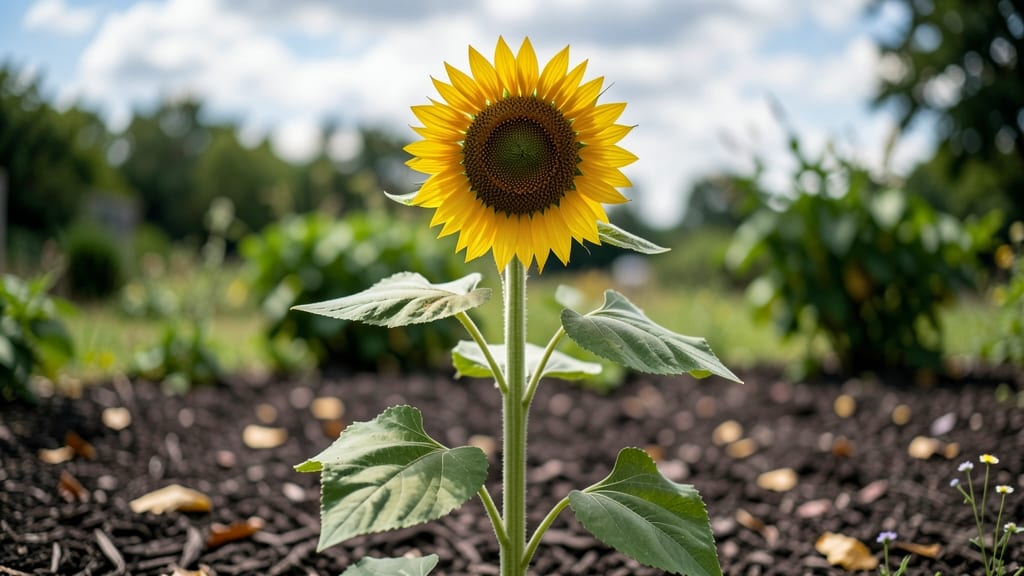
To grow sunflowers that can reach how tall can sunflowers grow up to 12+ feet, you’ll need more than just good luck—it’s all about the right variety, care, and a little patience.
These towering beauties can stretch from your backyard fence to your roof, creating a stunning vertical display that turns heads (and Instagram feeds).
Most gardeners plant sunflowers expecting 6–10 feet of height, but with the right conditions—like full sun, rich soil, and proper spacing—some varieties like 'Mammoth' or 'Russian Giant' can easily double that.
The key isn’t just picking a tall variety; it’s giving them the space and nutrients to thrive from the start.
If you’re dreaming of sunflower giants, you’ll want to focus on standard and giant cultivars, which can grow 8–16 feet tall when given ideal conditions. But here’s the catch: without proper care, even the tallest varieties might struggle to reach their full potential.
We’ll break down exactly how to set them up for success—from planting depth to staking tips—so you can grow sunflowers that rival a two-story building.
Ready to turn your garden into a sunflower skyline? Let’s dive into the secrets of maximizing height, choosing the best varieties, and keeping your towering 🌻 friends standing strong all season long.


Sunflower height variations: from compact to towering giants
Sunflowers are nature's skyscrapers, with some varieties stretching taller than a two-story building! Their height can vary dramatically depending on the variety you choose, with some staying compact at just 1-3 feet while others reach 12+ feet.
Whether you're growing sunflowers for cut flowers, birdseed, or just to create a stunning focal point, understanding these height variations will help you plan your garden layout and provide the right care for each type.
From the delicate dwarf varieties perfect for container gardens to the giant sunflowers that can dominate your landscape, each type has unique growth patterns and care requirements. The key to unlocking their full potential lies in selecting the right variety for your space and providing optimal growing conditions.
Let’s explore how tall sunflowers can grow and what factors influence their impressive stature.
Dwarf sunflowers, like the popular 'Teddy Bear' variety, stay under 3 feet and are perfect for small gardens or containers. Their compact size makes them ideal for cutting gardens or adding height to window boxes without overwhelming your space.
These varieties typically produce multiple stems per plant, creating a fuller, bushier appearance that’s great for borders or mass plantings.
On the other end of the spectrum, giant sunflowers like 'Mammoth' or 'Russian Giant' can reach heights of 10–16 feet, making them a showstopper in any landscape. These varieties grow incredibly fast, often adding 2–3 feet per week during peak growth.
However, their towering stature requires sturdy staking or support to prevent them from toppling over in wind or storms. For reference, the world record for the tallest sunflower stands at a staggering 25.7 feet, achieved by a 'Russian Giant' in 2011!
Standard sunflowers, such as the classic 'Autumn Beauty' or 'ProCut', typically grow between 6–10 feet. These are the most versatile varieties, perfect for backyard displays, attracting pollinators, and even providing shade in small garden areas.
Their height is manageable yet impressive, making them a favorite for both beginner and experienced gardeners. If you're aiming for a dramatic focal point, these varieties strike the perfect balance between height and ease of care.
One factor that often surprises gardeners is how soil quality and nutrient availability can influence sunflower height. Rich, well-draining soil with plenty of organic matter encourages taller growth, while nutrient-deficient soil can stunt a sunflower’s development.
For giant varieties, I recommend amending the soil with compost or a balanced fertilizer (like 5-10-10) at planting time to give them the best start. Additionally, consistent watering is crucial—giant sunflowers need 1–2 gallons of water per plant weekly during their rapid growth phase.
If you're growing sunflowers in containers, dwarf or semi-dwarf varieties are your best bet, as they won’t outgrow their pots. However, even these can benefit from larger containers (at least 12–18 inches deep) to accommodate their root systems.
For giant varieties, consider planting them directly in the ground where they can spread their roots freely. In my experience, spacing is key: give giant sunflowers at least 2–3 feet of space between plants to prevent overcrowding, which can lead to weaker stems and shorter growth.
Sunflowers also exhibit fascinating year-to-year growth patterns. In their first year, even giant varieties may only reach 3–6 feet, but with proper care, they can double or triple in height by their second or third year.
This is why many gardeners choose to save seeds from their tallest sunflowers and replant them the following season—often resulting in even taller plants! Just be sure to harvest seeds properly
Key factors that determine sunflower height growth
Sunflowers are nature’s skyscrapers, but their height potential depends entirely on four critical factors: sunlight exposure, soil quality, watering consistency, and proper spacing. Skimp on any of these, and even your 'Russian Giant' might only reach half its possible height.
I’ve learned from years of growing that giant varieties need perfect conditions to hit 12+ feet, while dwarf types stay compact without extra care.
The most overlooked factor? Sunlight. Sunflowers crave 6–8 hours of direct sun daily, but full sun (8+ hours) is what pushes them toward their maximum height. My 'Mammoth' variety grew 14 feet last summer because I planted it in a south-facing bed where it basked all afternoon.
Without enough light, stems grow weak and leggy, capping height at just 6–8 feet—even for tall varieties.
How Tall Can Sunflowers Grow Up To?
- 🌱 Dwarf varieties: 1–3 feet (ideal for containers)
- 🌿 Standard varieties: 6–10 feet (classic garden height)
- 🌳 Giant varieties: 10–16 feet (with perfect care)
- 🏆 World record: 15.5 feet ('Russian Giant' in 2021)
Height varies by variety, care, and growing conditions
Soil quality is the hidden champion of sunflower growth. These plants thrive in loamy, well-draining soil with a pH of 6.0–7.5. I once planted 'American Giant' seeds in heavy clay soil, and they barely reached 8 feet—until I amended the soil with compost.
The difference was night and day! Nutrient-rich soil fuels rapid stem elongation, while poor soil stunts growth by 30–50%.
Watering might seem simple, but consistency is key. Sunflowers need 1–2 gallons of water per plant weekly, but deep watering twice a week (rather than daily shallow watering) encourages stronger root systems. Last year, my 'Mammoth' plants wilted under 90°F heat when I skipped watering during a drought.
They recovered but only grew 10 feet instead of their usual 14 feet. Always water at the base, not the leaves, to avoid fungal diseases.
Spacing is the final puzzle piece for maximizing height. Crowded sunflowers compete for nutrients and light, leading to shorter, weaker stems. Giant varieties need 2–3 feet of space between plants, while standard types can handle 12–18 inches.
I once planted 'Russian Giant' seeds just 6 inches apart—they grew tall but leaned dramatically, some even toppling over. Proper spacing ensures straight, sturdy stems that reach their full potential.
Staking is your secret weapon for extra-tall varieties. When my 12-foot sunflowers started swaying in the breeze, I installed bamboo stakes tied loosely to the stems. This prevented breakage and let them grow 2 feet taller than unstaked plants.
For varieties over 10 feet, use soft ties (like old T-shirts) to avoid damaging the stems as they grow.
With the right sunlight, soil, water, and space, your sunflowers can easily hit 12+ feet—turning your garden into a sunflower skyline that neighbors will envy.
Start with giant varieties, give them full sun, and don’t skimp on the care. Your towering 🌻 dreams are just a season away!