
Plants
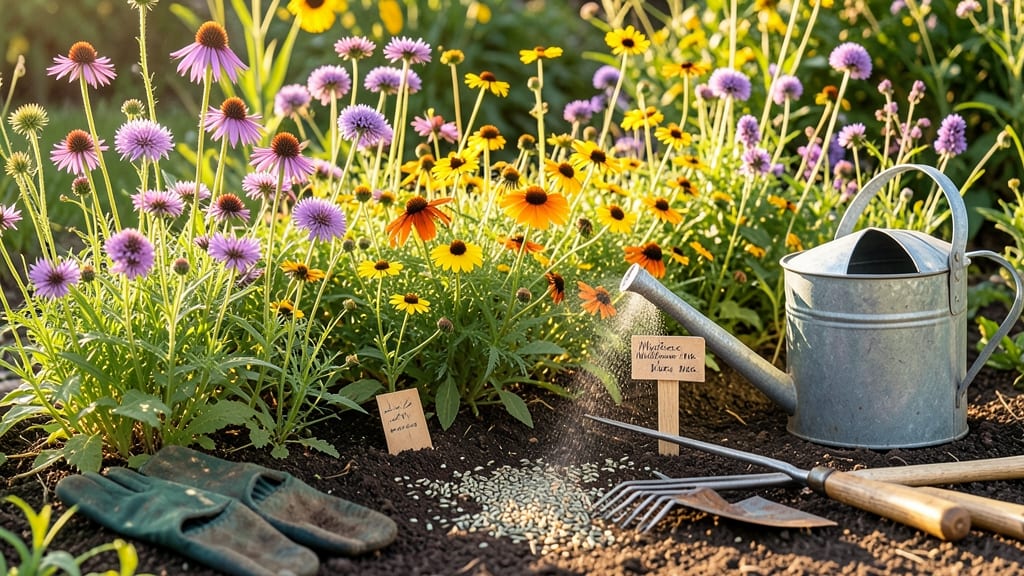
Planting wildflower seeds in Illinois at the wrong time can leave you staring at bare soil instead of a vibrant 🌼 meadow—and the difference between success and disappointment often comes down to timing.
In USDA Zones 5-6, where frost lingers until mid-April and returns by October, knowing the exact window matters more than you might think. Whether you're sowing cool-season blooms in early spring or warm-season varieties in fall, the 2-week frost-free window can make or break your wildflower dreams.
I’ve tested both seasons firsthand and discovered that March-April and September-October are your best bets—but there’s more to it than just the calendar. Illinois’ unpredictable weather throws curveballs, like late frosts or drought spells, so smart planning is key.
Let’s break down the exact frost-free windows for your zone, plus pro tips to beat Illinois’ biggest wildflower challenges—so you can enjoy blooms from May through September without the guesswork.
Illinois wildflower planting calendar by USDA Zone 5 & 6: exact frost-free dates
Getting your wildflower seeds in the ground at the right time is critical in Illinois' USDA Zones 5 and 6. The difference between a lush meadow and a failed planting often comes down to understanding your frost-free dates—which vary slightly between northern and southern Illinois.
Let’s break down the exact windows for planting both cool-season and warm-season wildflowers to maximize your success.
In Zone 5 (northern Illinois), the average last frost date falls around April 15-30, while Zone 6 (central/southern Illinois) typically sees its last frost by April 1-15.
Conversely, the first frost in Zone 5 arrives around October 15-30, while Zone 6 holds off until October 30-November 15. These dates create a narrow but critical window for planting.
For cool-season wildflowers like violets, blue-eyed grass, and sweet rocket, aim to plant 4-6 weeks before your last frost date. This means mid-March to early April in Zone 5 and late February to mid-March in Zone 6.
These early bloomers thrive in cooler temperatures and need time to establish roots before summer heat arrives.
On the other hand, warm-season wildflowers such as black-eyed Susans, coneflowers, and butterfly milkweed should be sown 4-6 weeks before your first frost. This translates to late August to early September in Zone 5 and September to early October in Zone 6.
Planting too early risks germination before the soil warms, while waiting too long cuts short their growing season.
| Planting Window | USDA Zone 5 (Northern IL) | USDA Zone 6 (Central/Southern IL) | Wildflower Type | Key Notes |
|---|---|---|---|---|
| Early Spring Planting | Mid-March to Early April | Late February to Mid-March | Cool-Season Wildflowers | Violets, blue-eyed grass, sweet rocket |
| Late Summer/Fall Planting | Late August to Early September | September to Early October | Warm-Season Wildflowers | Coneflowers, black-eyed Susans, milkweed |
| Last Frost Date | April 15-30 | April 1-15 | N/A | Use frost dates as planting deadlines |
| First Frost Date | October 15-30 | October 30-November 15 | N/A | Plant warm-season seeds 4-6 weeks before |
🌱 Pro Tip: Check your local Almanac for 3-year averages—Illinois frost dates can shift yearly!
Illinois’ variable spring weather can throw off even the most precise planting plans. A late frost in late April or an early heatwave in May might catch you off guard. To mitigate risks, I recommend covering seedlings with frost cloth if nighttime temperatures dip below 32°F after planting.
This extra layer of protection ensures your wildflowers aren’t wiped out by a surprise freeze.
For fall plantings, focus on September when soil temperatures remain warm but nights cool down. This timing gives seeds time to germinate before winter dormancy sets in. Avoid planting in October unless you’re in Zone 6, as cooler soils may delay germination until spring, reducing your first-year blooms.
One common mistake Illinois gardeners make is planting too early in spring, only to have seeds wash away in heavy rains or rot in cold, soggy soil. Instead, wait until the ground is workable but not muddy—usually when daytime highs consistently reach 50°F.
For fall, prioritize dry soil conditions to prevent seeds from smothering under mud.
If you’re unsure about your exact frost dates, use the National Weather Service or Old Farmer’s Almanac for your county. Alternatively, observe local native plants like dandelions or clover—they’re natural indicators of when it’s safe to plant.
Once you’ve nailed your planting window, the rest is just patience and sunlight!
Remember, wildflowers thrive on neglect once established, but getting them in the ground at the right time sets the stage for years of colorful blooms.
With these Illinois-specific frost-free dates in mind, you’re ready to create a meadow that hums with pollinators and beauty from spring to fall. Happy planting! 🌼
Best wildflower seed types for Illinois planting seasons: cool vs. warm season varieties
Choosing the right wildflower seeds for Illinois hinges on understanding cool-season vs. warm-season varieties. Cool-season bloomers like bluebonnets and violets thrive when sown in early spring (March-April), while warm-season favorites such as black-eyed Susans and coneflowers prefer fall planting (September-October).
The difference? Cool-season types germinate best in 50-60°F soil, while warm-season seeds need 60-70°F to sprout.
As someone who’s planted both seasons in USDA Zones 5-6, I’ve learned that native Illinois wildflowers like purple prairie clover and butterfly milkweed are low-maintenance powerhouses.
They not only attract pollinators but also handle Illinois’ unpredictable weather better than non-native species. Plus, they’re drought-tolerant once established—a huge plus for our dry summers.
🌱 Spring Planting (Cool-Season Wildflowers)
- 🌸 Bluebonnets (Lupinus perennis) – Plant in March-April; needs well-draining soil and full sun.
- 💜 Violets (Viola sororia) – Sows best in early spring; thrives in partial shade.
- 🌿 Sweet Alyssum (Lobularia maritima) – Fast-growing annual; plant March-April for spring blooms.
- 🌼 Prairie Smoke (Geum triflorum) – Native perennial; sows best in cool spring soil.
For fall planting, warm-season wildflowers like black-eyed Susans and coneflowers take center stage. These varieties need 6-8 weeks of warm soil to germinate, making September-October the ideal window. I’ve found that Echinacea (coneflower) and Rudbeckia (black-eyed Susan) not only survive Illinois winters but also rebloom reliably year after year.
One critical tip for fall planting: avoid sowing too late, as seeds need 4-6 weeks of warm soil before frost hits. If you miss the window, consider stratifying seeds (mixing them with damp sand and refrigerating for 4-6 weeks) to mimic winter conditions and trigger germination in spring.
This trick works wonders for native Illinois species like goldenrod and partridge pea.
If you’re torn between spring and fall planting, consider a two-season approach. Start with spring-sown cool-season wildflowers for early blooms, then follow up with fall-planted warm-season varieties to extend your meadow’s seasonal color.
This strategy ensures continuous blooms from May through October—perfect for attracting bees, butterflies, and hummingbirds all summer long.
Remember, Illinois-native wildflowers are your best bet for low-maintenance success. They’re adapted to our climate extremes, from hot summers to freezing winters, and they support local ecosystems.
Start with a mix of cool- and warm-season varieties, and you’ll enjoy a vibrant, pollinator-friendly meadow with minimal effort.