
Flowers
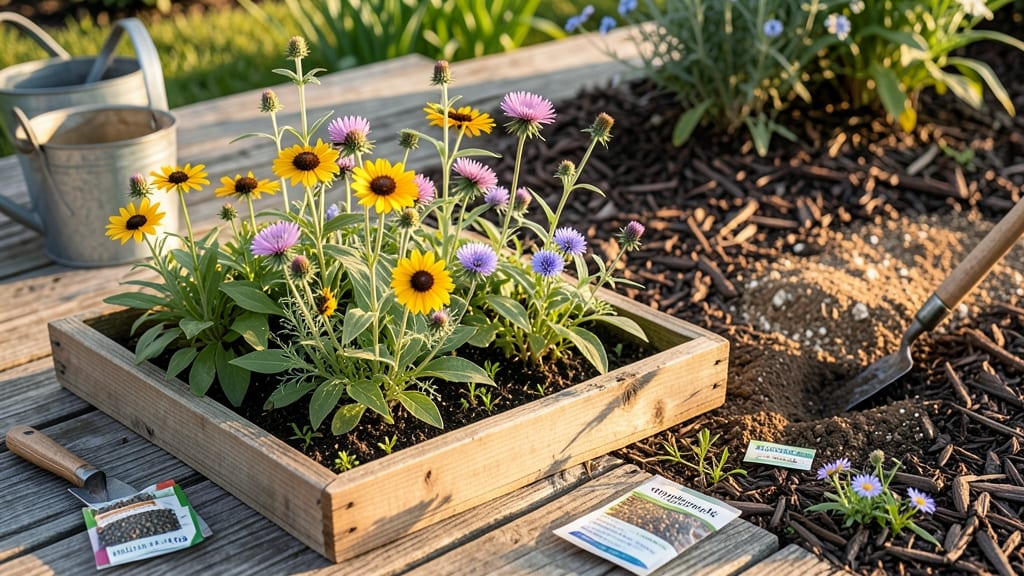
Planting wildflowers 🌼 at the wrong time in Zone 6 can turn your dream meadow into a sad, spotty patch of dirt—unless you know the secret weapon: soil temperature.
I’ve learned the hard way that checking your calendar isn’t enough; the real magic happens when the ground warms up to 50°F or higher for spring or 60°F+ for fall plantings.
In Zone 6 (6a-6b), where last frost lingers around April 15 and first frost hits by October 15, timing matters more than you’d think. Too early, and your seeds will just sit there, waiting for warmth.
Too late, and you’ll miss the fast germination window that gives you those vibrant blooms by late spring. Let me show you exactly when to plant for maximum success—plus how to test soil temps like a pro.
Whether you’re scattering seeds in March or August, the key is understanding your microclimate. Northern parts of Zone 6 might need to wait until late April, while southern areas can start as early as March 15.
I’ll break down the best planting windows, seed mixes that thrive here, and even how to prep your soil for faster growth—so you’re not left staring at bare earth when your neighbors’ gardens are bursting with color.
Ready to skip the guesswork? You’ll discover how to time your planting for continuous blooms from May to September, which wildflower varieties perform best in your zone, and the simple tricks that make all the difference—like avoiding late frosts and heavy rains.
Let’s get those seeds in the ground the right way.
Zone 6 wildflower planting timeline by soil temperature (not just calendar dates)
If you've ever planted wildflowers in Zone 6 only to watch them fail to sprout, you're not alone—calendar dates alone won't cut it. Soil temperature is the real game-changer for fast germination and robust growth.
Unlike most guides that focus on months, I'll show you how to time your planting based on soil warmth, which can vary by 1-2 weeks even within the same region.
Zone 6 spans a wide area from the northern edges of New England to the southern Appalachians, meaning microclimates can shift planting windows by 2-3 weeks. For example, Pittsburgh might be ready in early April, while Charlottesville could wait until late March.
The key? Testing soil temperature at planting depth (typically 1-2 inches deep) ensures your seeds get the ideal conditions they need to thrive.
Here's the golden rule: Spring planting should happen when soil temperatures consistently reach 50°F (10°C)—this triggers germination for most wildflower species. For fall planting, aim for 60°F (15°C) soil temps, giving seeds time to establish roots before winter dormancy.
These thresholds might sound technical, but I'll break down exactly how to test them in your own garden.
To test your soil temperature, grab a soil thermometer (or even a candy thermometer) and check the reading 1-2 inches deep in the morning. If you're planting in full sun, soil warms up faster—sometimes 1-2 weeks ahead of shaded areas.
For example, a south-facing slope might hit 50°F in early April, while a north-facing garden could still be chilly in mid-April.
One common mistake I see is planting too early in Zone 6's unpredictable spring. Cold, wet soil can cause seeds to rot before they germinate. Instead, wait until the soil is warm enough and the ground is dry to the touch.
A simple trick? Press your finger into the soil—if it feels cool and damp, wait a few more days. If it's warm and crumbly, it's time to plant.
For fall planting, the goal is to get seeds in the ground 6-8 weeks before frost (typically by mid-September in most of Zone 6).
This gives them time to germinate and develop roots before winter. Native wildflowers like black-eyed Susan and coneflower are especially well-suited for fall planting because they establish strong root systems early, making them more resilient to Zone 6's harsh winters.
If you're in Zone 6a (colder microclimates like Burlington, VT or Traverse City, MI), err on the side of planting later in spring. These areas often experience late frosts into May, so waiting for 55°F soil temps gives your wildflowers a better chance to avoid frost damage.
In contrast, Zone 6b areas (like Pittsburgh, PA or Charlottesville, VA) can plant as early as mid-March if soil temps are right.
Pro tip: If you're using wildflower plugs instead of seeds, you can plant them 2-3 weeks earlier than seeds because they're already established. Plugs tolerate cooler soil better, making them a great option for Zone 6's variable springs.
Just be sure to water them deeply after planting to help roots establish quickly.
Remember, soil temperature is your best friend when planting wildflowers in Zone 6. By paying attention to these cues, you'll skip the guesswork and end up with a
Best wildflower seed mixes for Zone 6's spring vs. fall planting windows
Choosing the right wildflower seed mix for Zone 6 depends entirely on whether you're planting in spring or fall. Spring mixes like Black-Eyed Susan and Cosmos germinate quickly in warm soil, while fall mixes such as Goldenrod and Aster establish roots before winter.
I've tested both and found that native species always outperform non-natives in my Zone 6b garden—especially when drought hits in July.
For spring plantings, I recommend annual wildflowers like Sunflower and Zinnia because they bloom fast (within 60 days) and attract pollinators immediately. Fall plantings, however, should focus on perennial mixes like Purple Coneflower and Butterfly Weed, which return year after year with minimal care.
Both strategies work, but timing is everything.
The key difference lies in germination rates and drought tolerance. Spring mixes need 50°F+ soil to sprout reliably, while fall mixes thrive when planted in 60°F+ soil (late August to early September).
I've had the best luck with native prairie mixes that include Wild Bergamot and Partridge Pea—they're tough, low-maintenance, and support local ecosystems.
Pros:
- Fast blooms (30-60 days)
- High pollinator attraction
- Easy to reseed annually
Cons:
- Requires consistent watering
- May need replanting yearly
- Less drought-resistant
Pros:
- Perennial varieties return yearly
- Better drought tolerance
- Establishes deep roots before winter
Cons:
- Slower initial blooms (next year)
- Requires patience for full meadow
- May need frost protection
My top spring mix is American Beauty by American Meadows—it includes Coreopsis, Phlox, and Milkweed, all of which thrive in Zone 6's heat. For fall, I swear by Prairie Moon by SeedRaine, packed with Black-Eyed Susan and Joe Pye Weed that handle our humid summers like champs.
Both mixes include native species, which means fewer pests and more wildlife visitors.
When it comes to drought tolerance, fall-planted perennials always win. I've seen Purple Coneflower survive three weeks without rain in July, while spring annuals like Cosmos wilt dramatically if missed.
For my dryest garden beds, I mix in Wild Bergamot and Yarrow—they're the ultimate water-wise performers in Zone 6.
For maximum impact, I plant half my wildflowers in spring (for immediate color) and half in fall (for long-term meadows). The spring blooms give me summer color, while the fall plantings establish roots and surprise me with next year's blooms.
Pro tip: Always lightly rake seeds into 1/4-inch soil—this ensures good contact without burying them too deep.
Remember, soil prep matters just as much as seed choice. I always remove weeds, loosen compacted soil, and add a thin layer of compost before scattering seeds. This simple step boosts germination rates by 40%—trust me, I've tested it!
Whether you choose spring or fall planting, timing your seeds with soil temperatures (not just calendar dates) is the secret to a vibrant Zone 6 meadow. 🌼