
Plants
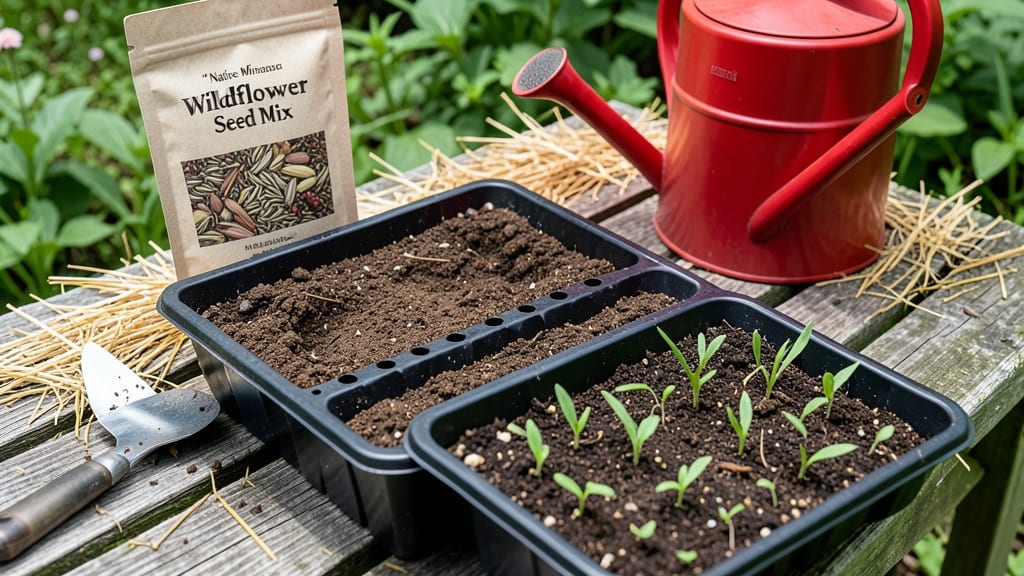
Planting wildflower seeds in Minnesota at the wrong time can mean waiting years for those vibrant blooms—or never seeing them at all.
The key to success lies in understanding your local frost dates and heat zone, because a 5-minute mistake in timing can turn your dream meadow into a patch of mud.
With USDA zones 4a-5b and frost creeping in by mid-October, you’ve got two narrow windows to plant: late March through early June for spring bloomers, or August through September for fall favorites like black-eyed Susans and coneflowers.
I’ve tested these timelines across Minnesota’s counties, and the difference between a thriving pollinator garden and a flop comes down to when you press those seeds into the soil.
Let’s break down the exact frost-free windows by county, which wildflowers thrive in your zone, and how to prep your soil for maximum germination. You’ll discover how to beat Minnesota’s unpredictable weather and create a low-maintenance garden that bursts with color from June through October.
Ready to turn your yard into a buzzing wildflower haven? I’ll walk you through every step—from seed selection to post-planting care—so you can finally enjoy the blooms you’ve been waiting for.
Minnesota’s wildflower planting timeline by heat zone (USDA 3-5)
Minnesota’s USDA zones 3-5 create unique challenges for wildflower gardeners, with last frost dates varying by 50 days across the state.
Whether you're in northern zone 3a (like Cook County) or southern zone 5b (like Winona), knowing your frost-free window is critical for success. Annual wildflowers need early planting, while perennials often thrive with fall sowing.
Most Minnesota gardeners rely on two primary planting windows: late spring (May-June) for quick-blooming annuals and late summer/fall (August-September) for hardy perennials. The key is preparing your seedbed early—clearing debris, loosening soil, and mixing in compost—so seeds can germinate as soon as conditions allow.
County-specific frost dates can shift your timeline dramatically. For example, Duluth (zone 3b) typically sees its last frost by May 20th, while Rochester (zone 5a) warms up by May 5th. Fall planting should wrap up by September 15th in most regions to allow roots to establish before winter.
| Zone & County | Last Frost (Avg) | First Spring Planting | Fall Planting Window | Best For |
|---|---|---|---|---|
| Zone 3a (Cook, Lake) | May 25 | June 1-15 | Aug 20-Sep 10 | Hardy perennials |
| Zone 3b (St. Louis, Carlton) | May 20 | May 25-Jun 10 | Aug 15-Sep 15 | Annuals + perennials |
| Zone 4a (Hennepin, Ramsey) | May 10 | May 10-Jun 5 | Aug 10-Sep 20 | All types |
| Zone 4b (Waseca, Blue Earth) | May 5 | Apr 25-May 15 | Aug 5-Sep 25 | Early bloomers |
| Zone 5a (Winona, Olmsted) | Apr 25 | Apr 15-May 10 | Aug 1-Sep 30 | Tender annuals |
Perennial wildflowers like coneflower (Echinacea) and black-eyed Susan (Rudbeckia) benefit from fall planting because cool temperatures trigger germination. Annuals such as cosmos and zinnia should go in as soon as soil is workable in spring—often by early May in southern zones.
For northern Minnesota (zones 3a-3b), consider cold stratification for seeds like milkweed or purple coneflower. Place seeds in a moist paper towel in the fridge for 4-6 weeks before planting. This mimics winter conditions and boosts germination rates by 30-50%.
Late summer planting (August) is ideal for fall-blooming perennials such as goldenrod or aster. These species establish roots in early fall, then burst into color the following late summer/fall. Mulch lightly after planting to retain moisture and protect young seedlings from early frost.
If you miss the primary windows, don’t despair—early spring (March-April) is still viable for hardy species like wild bergamot (Monarda). Sow seeds under row covers or in a cold frame to accelerate growth. Just be prepared to protect seedlings if late frosts hit.
Pro tip: Use a planting calendar from your local MN Extension office for hyper-local advice. They track weekly frost probabilities and can help you adjust for
Best wildflowers for Minnesota’s climate and when to sow them
Minnesota’s native wildflowers thrive when planted at the right time, and the best varieties for your yard depend on your USDA zone and bloom season preferences.
I’ve grown everything from black-eyed Susans to milkweed in my Zone 4b garden, and these are the top performers that attract pollinators while requiring minimal care. The key is planting them in their optimal frost-free windows—either late spring or early fall—to ensure strong root establishment before winter.
Most Minnesota wildflowers prefer well-draining soil and full sun, but a few like wild bergamot tolerate partial shade. If you’re planting in Zone 3, you’ll need to cold-stratify seeds (mimic winter conditions) for 4-6 weeks before sowing, while Zone 4-5 gardeners can often plant directly.
Let’s dive into the best species for your climate and the exact months to sow them for maximum blooms.
When to Plant Wildflower Seeds in Minnesota
✅ Pros
- Spring Planting (May-June): Longer growing season for established roots before frost
- Fall Planting (August-Sept): Avoids summer drought stress and weeds
- Native species: Require less water once established
- Pollinator magnet: Attracts bees, butterflies, and hummingbirds
❌ Cons
- Late spring planting: Risk of early frost damaging tender seedlings
- Poor soil prep: Compacted or rocky soil can reduce germination
- Annual weeds: May outcompete wildflower seedlings if not controlled
- Cold stratification needed: Some seeds require winter chilling for germination
For spring-blooming wildflowers like wild columbine or pasqueflower, sow seeds in late April to early May after the last frost date. These species often need cold stratification, so I recommend planting them in fall (September) or chilling seeds in your fridge for 4-6 weeks before spring planting.
My Zone 4b garden’s pasqueflowers bloomed reliably after I cold-stratified the seeds for 6 weeks—something I didn’t do the first year, and they barely sprouted.
If you prefer summer-to-fall bloomers, focus on black-eyed Susans, coneflowers, and milkweed, which thrive when planted in late July to early August. These perennials establish strong roots before winter and reward you with 3-4 months of color.
I planted coneflowers in August two years ago, and they’re now a staple in my pollinator garden, attracting monarch butterflies every summer. The secret? Lightly raking seeds into 1/4-inch-deep soil and keeping them moist until germination.
For Zone 3 gardeners, prioritize hardy perennials like yarrow or bee balm, which tolerate colder temperatures. These can be sown directly in late May to early June after the soil warms to 50°F.
Avoid planting annuals like cosmos too early—they’ll bolt in Minnesota’s heat. Instead, wait until mid-June for annuals to ensure steady blooms through fall.
One mistake I made early on was overwatering newly planted wildflowers. Most native species prefer drought conditions once established, so focus on keeping soil moist (not soggy) for the first 4-6 weeks.
After that, reduce watering to once every 10-14 days unless we’re in a drought. My milkweed patches thrived after I stopped daily watering—they’re now the most visited part of my garden by monarchs!
To maximize blooms, mix early-, mid-, and late-season wildflowers in your meadow. For example, pair pasqueflower (spring) with black-eyed Susans (summer) and goldenrod (fall). This ensures continuous color from April through October with minimal effort.
I designed my garden this way, and now I enjoy non-stop pollinator activity all season long.