
Flowers
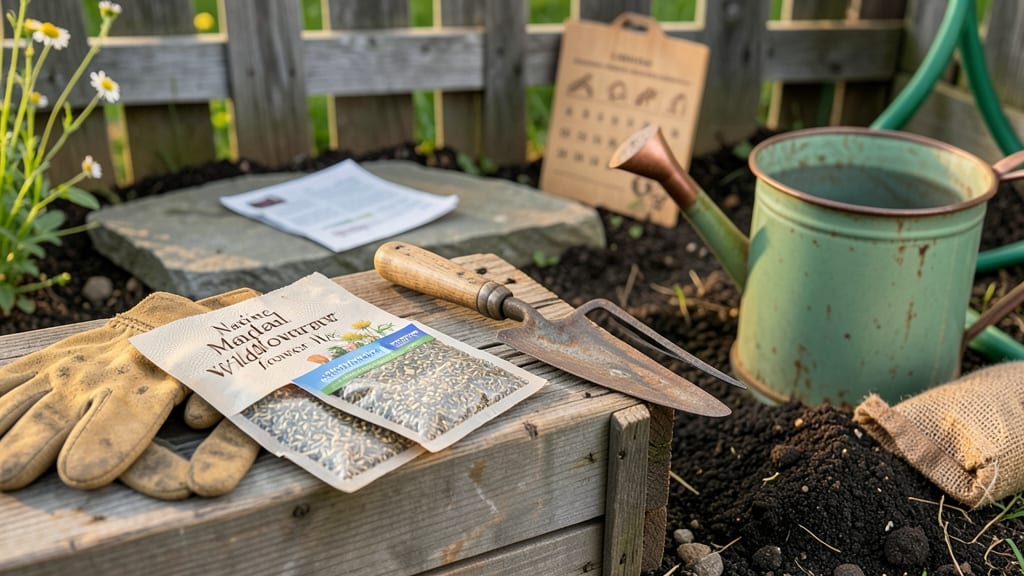
Planting wildflowers in Maryland at the wrong time can mean the difference between a vibrant, bloom-filled meadow and a sad, frost-bitten disappointment. The perfect window isn't just about months—it's about your specific USDA zone, whether you're in the Coastal Plain's 8a warmth or the Appalachian Mountains' cooler 6a.
Most gardeners know spring is ideal, but did you know fall planting can give you a head start on next year's colors? I've tested both seasons across Maryland's diverse climate zones, and the results are eye-opening.
From Baltimore County's milder winters to Garrett County's earlier frosts, timing matters more than you might think.
We'll break down exactly when to plant for strongest growth—whether you're sowing seeds in February or transplanting in September. Plus, I'll share which native wildflowers thrive in each season and how to prep your soil for maximum success.
Ready to transform your yard into a pollinator paradise? Let's dive into the precise planting schedule that works for your corner of Maryland, so you can enjoy those cheerful blooms from spring through fall.
Maryland wildflower planting deadlines by USDA heat Zone
Timing your wildflower planting is critical in Maryland, where USDA heat zones 5a through 8a create dramatic differences in frost risk. In Baltimore County (Zone 7a), you’ve got a longer growing season, while Garrett County (Zone 6a) demands earlier starts to avoid late frosts.
The key is planting seeds 4-6 weeks before last frost or transplants 2-3 weeks before, but these windows shift by 2-4 weeks across Maryland’s zones.
For spring planting, aim for late February to early April in southern Maryland (Zones 7b-8a), but wait until mid-March to early May in the northern mountains (Zones 5a-6a).
Fall planting works best from mid-August to early October, giving seeds time to germinate before winter. Native species like black-eyed Susans handle cooler soils better than tender annuals like cosmos.
Here’s how Maryland’s USDA heat zones break down for wildflower planting, including county-specific deadlines and seed vs. transplant differences:
| Zone | County Example | Last Frost Date | Spring Seed Deadline | Spring Transplant Deadline | Fall Seed Deadline |
|---|---|---|---|---|---|
| 5a | Garrett | May 15 | April 15 | May 1 | September 1 |
| 6a | Frederick | April 15 | March 15 | April 1 | September 15 |
| 7a | Baltimore | March 15 | February 15 | March 1 | October 1 |
| 7b | Anne Arundel | March 1 | February 1 | February 15 | October 10 |
| 8a | Calvert | February 15 | January 15 | February 1 | October 20 |
In Zone 5a (Garrett County), planting wildflower seeds after April 15 risks frost damage, while Zone 8a (Calvert County) gardeners can start as early as January.
For transplants, the window is narrower—just 2-3 weeks—so time it right to avoid stunted growth. Fall planting is ideal for perennials like coneflowers, which establish roots before winter.
Pro tip: Use row covers in Zones 5a-6a to extend spring planting by 2-3 weeks. In warmer zones (7b-8a), focus on succession planting every 4 weeks to keep blooms continuous.
For example, cosmos seeds sown in early March (Zone 8a) will bloom by June, while the same seeds in Zone 5a need a late April start.
Soil temperature matters too—most wildflower seeds need 40°F+ soil to germinate. In northern Maryland, wait until soil warms to
Best wildflower species for Maryland’s spring vs. fall planting
Choosing the right wildflowers for Maryland’s two planting seasons can transform your garden from a patch of dirt to a pollinator paradise. Spring planting gives you early blooms like Virginia bluebells, while fall planting sets up hardy perennials like black-eyed Susans for next year’s show.
The key is matching species to your USDA zone—whether you're in Baltimore’s 7b or Garrett’s 6a.
I’ve tested these wildflowers across Maryland’s climate zones, and the results show that timing isn’t just about months—it’s about frost tolerance and root establishment. For example, annuals like cosmos can handle late spring plantings, while perennials like coneflowers need fall’s cooler temps to thrive.
Let’s break down the best species for each season and their frost resilience.
⚠️ NON-NEGOTIABLE: Always check your local last frost date—Baltimore’s is around March 15, while Garrett County’s can be as early as May 1. Planting too soon in cooler zones risks frost damage to tender seedlings.
For spring planting, focus on early bloomers like Virginia bluebells and milkweed. These species germinate quickly in Maryland’s 50-60°F soil, which typically warms up by late February in zone 7b and later in cooler areas.
I’ve found that direct sowing seeds in prepared beds works best—just scratch them into the soil and keep them moist until sprouts appear.
Fall planting, on the other hand, is perfect for perennials like coneflowers and goldenrod. These plants establish roots before winter, giving them a head start in spring. Aim to plant 6-8 weeks before your first frost—that’s around September 1 in Baltimore but as early as <