
Plants
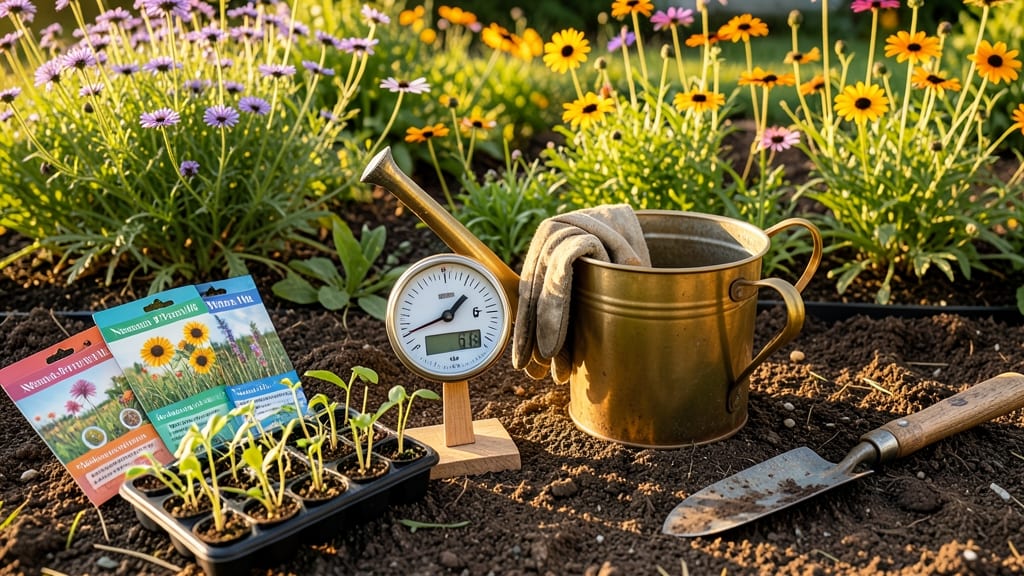
Planting wildflower seeds in Nebraska at the wrong time can mean waiting months—or even years—for those vibrant blooms to appear. The key to success lies in understanding when to plant, as Nebraska's USDA Zone 5a-6b climate demands precise timing to outsmart unpredictable weather patterns.
Most gardeners in Nebraska know wildflowers like 🌼 prairie coneflower and black-eyed Susans thrive in full sun, but timing is just as critical. Whether you're sowing seeds in early spring or fall, getting it right ensures faster germination and healthier plants.
I’ll show you exactly when to plant for the best results.
Spring planting is ideal between March and April, right after the last frost date—typically around mid-April—but early fall (September-October) is another great window. This strategy helps seeds establish roots before winter, giving you a head start on next year’s blooms.
Ready to transform your yard into a pollinator paradise? Let’s dive into the best planting times, soil prep tips, and care tricks to keep your wildflowers flourishing from spring to fall.
Best planting windows for Nebraska wildflowers by season
Nebraska’s USDA Zones 5-6 create a unique challenge for wildflower gardeners, where last frost dates can vary by 2-3 weeks between eastern and western regions. Planting too early risks frost damage, while waiting too long may trigger summer drought stress.
My strategy? Focus on two key windows: early spring and early fall, with adjustments for annual vs. perennial species.
For spring planting, aim for late March to mid-April when soil temperatures consistently reach 50°F (10°C). This timing gives seeds time to germinate before late spring frosts—common in Zone 5a areas like Omaha.
In Zone 6b (western NE), you can push planting to mid-April safely. Fall planting offers a second chance, with September 1-15 being ideal for perennials to establish roots before winter.
Here’s the critical comparison for Nebraska’s wildflower planting windows, including microclimate adjustments and frost-sensitive species:
Annual wildflowers like cosmos and zinnia thrive when planted in spring, while perennials such as prairie coneflower benefit from fall sowing. My rule of thumb? Spring for color this year, fall for next year’s blooms. For frost-sensitive species like black-eyed Susan, wait until after May 15 in Zone 5a to avoid late frosts.
Nebraska’s western regions (Zone 6b) enjoy earlier last frosts, allowing mid-April planting for most species. In eastern NE, play it safer with late March sowings, especially for tender perennials. Pro tip: Use a soil thermometer—seeds need consistent 50°F+ soil temps to germinate reliably.
For emergency planting (e.g., missed spring window), late May works for drought-tolerant annuals like blanket flower, but expect smaller blooms due to summer heat. Always water deeply after planting to help seeds establish before Nebraska’s dry winds take over.
Fall planting is my secret weapon for perennial wildflowers. Seeds sown in September germinate slowly, avoiding summer stress, and establish roots before winter. Butterfly milkweed and purple coneflower are perfect candidates—both thrive with fall-sown seeds and reward you with bold blooms the following year.
Microclimates matter! South-facing slopes warm up 2-3 weeks earlier than north-facing areas, so adjust
How to time wildflower planting for Nebraska’s unpredictable weather
Nebraska’s unpredictable spring weather can leave wildflower seeds struggling to germinate if planted too early or too late. The key to success is understanding soil temperature and frost dates, which vary significantly across the state’s USDA Zones 5a-6b.
Unlike annuals, wildflowers often require stratification—a cold treatment—to break dormancy, making timing even more critical.
Most Nebraska gardeners aim for March-April planting, but this window can shift by weeks depending on your location. For example, western Nebraska’s drier climate may allow earlier sowing, while eastern regions with heavier soils should wait until after the last frost date (typically mid-April).
Fall planting in September-October is another smart strategy, letting seeds establish roots before winter’s chill.
⚠️ callout warning ⚠️
🌡️ Critical Mistake: Planting Too Early
Seeds planted in cold, wet soil (below 40°F) risk rot or failing to sprout. Use a soil thermometer to confirm consistent 50°F+ temperatures at 1-inch depth before sowing. In Nebraska, this often means waiting until late April in most regions.
💡 Pro Tip: If spring arrives late, cover seeds with lightweight row fabric to warm the soil faster.
For seed stratification, many Nebraska wildflowers (like prairie coneflower or butterfly milkweed) benefit from a 60-day cold treatment. You can mimic this by planting seeds in late fall (November) or storing them in a moist paper towel in the fridge for 2 months before spring planting.
This trick ensures seeds are ready to germinate when conditions improve.
If Nebraska’s weather throws you a curveball—like a late frost in May—don’t panic. Many wildflowers are drought-tolerant and can handle light frost once established. For emergency planting, use a cloche or cold frame to protect young seedlings until temperatures stabilize.
This technique buys you 2-3 extra weeks of growing time without risking damage.
Post-planting, focus on consistent moisture rather than heavy watering. Nebraska’s dry winds can dry out soil quickly, so water lightly but frequently (about ¼ inch per week) until seeds sprout. Once established, most wildflowers thrive with minimal watering, making them perfect for Nebraska’s low-maintenance gardens.
By mastering these timing strategies—soil temperature checks, stratification, and emergency protection—you’ll outsmart Nebraska’s weather and enjoy vibrant wildflowers from spring through fall. The secret? Patience and preparation pay off in a sea of color. 🌼