
Companion Plants
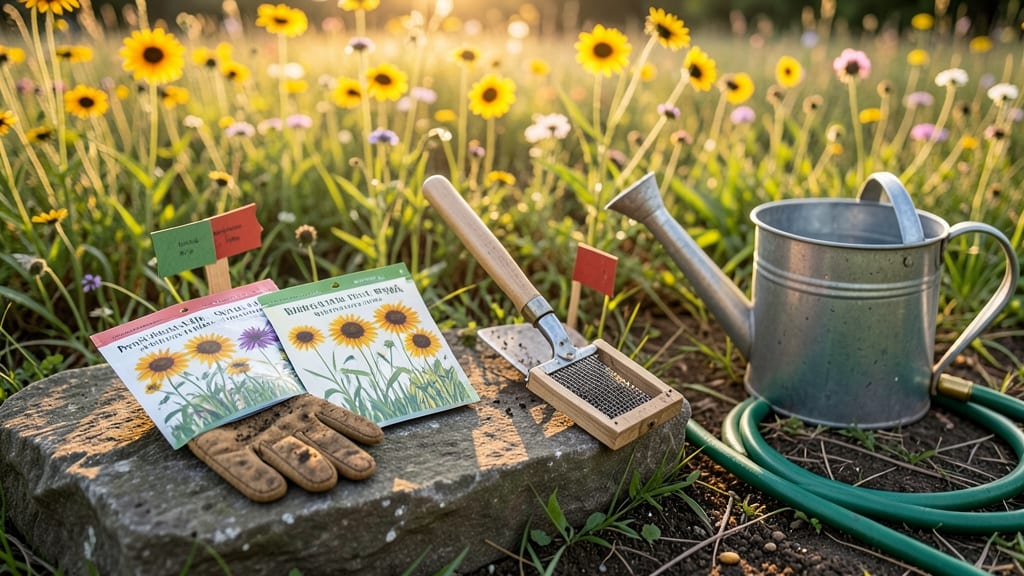
Planting wildflower seeds in Pennsylvania at the wrong time can mean the difference between a garden bursting with 🌼 vibrant blooms and a patch of dirt by summer.
The best windows to plant—late winter to early spring or late summer to early fall—align perfectly with Pennsylvania’s climate zones (5a-7b), ensuring your seeds thrive instead of wither.
Whether you’re in the cooler Zone 5a or the milder Zone 7b, timing matters. Too early, and frost will nip your dreams before they sprout; too late, and summer heat could stunt growth.
I’ll break down the ideal months for each region, so you can skip the guesswork and start your wildflower garden with confidence.
You’ll also discover how to prep your soil, whether to choose spring or fall planting, and which local wildflower varieties will flourish in your backyard. With the right approach, you could have colorful blooms from April to October—no green thumb required.
Let’s dive into the simple, actionable steps that’ll turn your Pennsylvania landscape into a pollinator paradise, one season at a time.
Best months to plant wildflower seeds in Pennsylvania by climate zone
Pennsylvania’s diverse climate—spanning USDA zones 5a to 7a—means wildflower planting windows vary dramatically from the cool, wet north (Erie) to the warmer, drier south (Philadelphia). Timing isn’t just about months; it’s about frost dates, soil temps, and whether you’re planting annuals or perennials.
Get it wrong, and your seeds may sprout too early or fail to establish before winter. Let’s break it down by zone to ensure vibrant blooms from spring to fall.
Most wildflower seeds thrive when planted in late winter/early spring or late summer/early fall. Spring planting lets seeds germinate as soil warms, while fall planting gives them time to root before winter.
However, northern PA’s shorter growing season (zones 5a-6a) demands earlier starts, while southern PA’s milder winters (zone 7a) allows for later fall plantings. Always check your last frost date—typically April 15 in the north and March 15 in the south—to avoid frost damage.
Pro Tip: For annual wildflowers (like Black-Eyed Susans or Sunflowers), plant seeds 2-4 weeks before your last frost date to ensure they bloom all summer. Perennial wildflowers (such as Coneflowers or Bee Balm) can handle late summer/early fall plantings (August-September) because they establish roots before winter dormancy. Adjust for your specific USDA zone using the table below.
| USDA Zone | Region Examples | Best Spring Planting Window | Best Fall Planting Window | Key Considerations |
|---|---|---|---|---|
| 5a | Erie, Scranton, State College | Mid-March to early April | Late August to mid-September | Soil stays cold; use row covers if planting early. Prioritize cold-hardy perennials like Purple Coneflower. |
| 5b | Pittsburgh, Altoona | Late March to early April | Late August to early September | Balanced zone; annuals and perennials both work. Avoid planting after September 15 to prevent frost damage. |
| 6a | Harrisburg, Lancaster | Early April to mid-May | September (first half) | Warmer soils; ideal for late-summer annuals like Cosmos. Fall planting must finish by September 10. |
| 6b | Reading, York | Late March to early April | Late August to early October | Extended growing season; perennials thrive here. Fall planting can go until October 1 in sheltered areas. |
| 7a | Philadelphia, Wilmington | Early March to mid-April | September to early October | Mild winters; fall planting is ideal. Annuals like Zinnias can be sown until October 15. |
If you’re in northern PA (zones 5a-5b), focus on spring planting for annuals like Sunflowers or Black-Eyed Susans, as their seeds need consistent warmth to germinate.
In central PA (zone 6a), you can split your efforts: plant perennials in fall (they’ll establish roots) and annuals in spring for summer color. Southern PA (zones 6b-7a) offers the most flexibility—
How to choose between spring vs. fall planting for maximum blooms
Deciding whether to plant wildflower seeds in spring or fall can feel overwhelming, but both seasons offer unique advantages for Pennsylvania’s climate. Spring planting gives you a head start on blooms, while fall planting often results in stronger root systems before winter.
The key is matching your local frost dates and soil conditions to your wildflower varieties.
For most Pennsylvania wildflowers, including Black-Eyed Susan and Butterfly Weed, fall planting (late August to early September) is ideal. This timing allows seeds to germinate slowly in cool soil, avoiding summer heat stress.
Meanwhile, spring planting (March to early April) works best for annual varieties like Coneflower, which need warm soil to sprout quickly.
Soil temperature is critical—most wildflower seeds won’t germinate until the soil reaches 50–60°F. In Pennsylvania’s Zone 5a-7b, this typically means waiting until late April for spring planting or aiming for early fall before the ground cools too much.
Spring Planting
✅ Pros
- Faster blooms (6–8 weeks)
- Longer growing season for annuals
- Easier to monitor for pests
❌ Cons
Fall Planting
✅ Pros
- Stronger roots before winter
- Fewer weeds compete in early spring
- Better moisture retention in soil
❌ Cons
- Slower germination in cool soil
- Risk of frost before sprouting
- Limited time for fall planting window
If you choose fall planting, consider scarification (lightly nicking seeds) or stratification (mimicking winter cold) for hard-to-germinate varieties like Joe-Pye Weed. For spring planting, start seeds indoors in late February for a jump on the season, especially in colder Zone 5a areas.
Here’s a quick bloom timeline comparison for popular PA wildflowers:
- Black-Eyed Susan: Spring planting blooms in July–September; fall planting blooms next summer.
- Butterfly Weed: Spring blooms in June–August; fall blooms delayed until July.
- Coneflower: Spring blooms July–October; fall blooms next August.
For maximum blooms, I recommend staggered planting—sow half your seeds in spring and half in fall. This ensures continuous color from June through October and gives pollinators a steady food source all season long. 🌼