
Plants
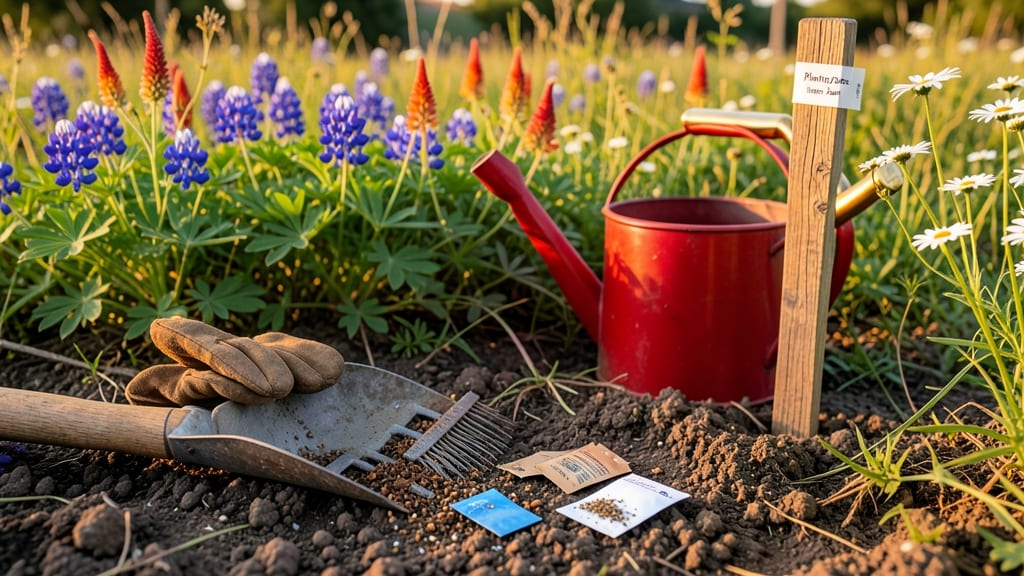
Planting wildflower seeds in Texas at the wrong time means watching your dreams of bluebonnet meadows fade into dust before they even begin. The secret to vibrant blooms lies in understanding your heat zone—because what works in North Texas can fail spectacularly in the Hill Country.
I’ve spent years learning the best months to sow seeds across Texas’ diverse climate, and the timing couldn’t be more critical. Whether you’re chasing spring blooms or fall color, getting it right means the difference between a lush, pollinator-friendly garden and a patch of dirt.
Let me show you exactly when to plant for maximum impact in your region.
From the cool fall rains that trigger germination to the spring warmth that coaxes seeds to life, each season offers a unique window. We’ll break down the ideal planting calendar for your heat zone—because Texas wildflowers don’t wait for anyone.
Ready to transform your landscape into a year-round showstopper? The first step is knowing when to start—and trust me, the blooms will thank you.
Texas wildflower planting calendar by heat zone: best months for fall, winter, and spring blooms
Texas’ diverse heat zones (8-11) create unique planting windows for wildflowers, but getting the timing right ensures vibrant blooms instead of sparse growth. Fall planting (September-November) is ideal for cool-season annuals like bluebonnets, while spring planting (February-April) works for summer-blooming varieties like black-eyed Susans.
Regional differences—like East Texas humidity vs. Hill Country drought
In Heat Zones 8-9 (North Texas), late September to mid-November is prime for fall sowing, allowing seeds to germinate before winter. Heat Zones 10-11 (South Texas) can plant as late as December, thanks to milder winters. Spring planting shifts to February-March in cooler zones and March-April in warmer areas to avoid summer heat stress. Native wildflowers like bluebonnets and Indian paintbrush thrive when planted in fall, while Mexican sunflowers and coreopsis prefer spring sowing. Succession planting (sowing every 4-6 weeks) extends bloom seasons, but timing depends on your local frost dates and rainfall patterns. Here’s a breakdown of optimal planting months by Texas heat zone and wildflower type, tailored to regional conditions: For East Texas (Zones 8-9), prioritize fall planting to avoid summer humidity, while Hill Country gardeners can push spring sowing to April for summer blooms. South Texas’s extended growing season allows for winter planting of heat-tolerant varieties like Mexican poppies. Pro tip: Scatter seeds on prepared soil (no need to bury them) and lightly rake to ensure soil contact. Water gently to avoid displacing seeds—most wildflowers need minimal moisture once established. Succession planting every 6 weeks keeps your garden in continuous bloom from spring to fall. Adjust for unpredictable Texas weather: If rains delay fall planting, wait for soil temps below 80°F to prevent seed rot. In drought-prone areas, mulch after sowing to retain moisture. Native wildflowers are the easiest to grow—they’re adapted to Texas’ extreme conditions and require little maintenance. Test your soil’s pH and fertility before planting; most Texas wildflowers thrive in slightly acidic to neutral soil (pH 6.0-7.0). Amend heavy clay with compost or sand to improve drainage. Avoid fertilizers—wildflowers prefer lean soil and outcompete weeds naturally once established. Plan for pollinators by including a mix of early, mid, and late-season bloomers. For example, bluebonnets (spring) paired with black-eyed Susans (summer) and Mexican feathergrass (fall) create a year-round nectar source. Deadhead spent blooms to encourage
How to adjust planting times for Texas weather patterns: drought, rainy seasons, and frost dates
Texas weather throws curveballs—unpredictable rains, late freezes, and prolonged droughts can derail even the best-laid wildflower plans. Unlike northern states with predictable frost dates, Texas’ Heat Zones 8-11 demand flexibility.
For example, North Texas might see frost in December, while South Texas stays frost-free until November. Adjusting your planting timeline isn’t just about avoiding frost—it’s about working with Texas’ clay-heavy soil and flash floods.
Fall planting (September-November) is ideal for most wildflowers because cooler temps reduce seedling stress, and rains often arrive by October. But if you’re in East Texas, where humidity lingers, wait until late October to avoid fungal diseases.
Spring planting (February-April) works for heat-loving varieties like black-eyed Susans, but be ready to cover seedlings if a late freeze hits in March.
⚠️ callout warning ⚠️
For clay-heavy Texas soil, prep is key. Start by amending soil with compost or gypsum to improve drainage—clay holds moisture too long, leading to root rot. Work in sand or perlite if your soil is impermeable. Test your soil’s pH (6.0-7.0 is ideal for wildflowers) and adjust with lime or sulfur if needed. Succession planting every 6-8 weeks ensures continuous blooms, especially in drought-prone areas like West Texas.
If you’re in North Texas, watch for late freezes—even in March. Use row covers or plant near warmth-retaining structures like fences. In South Texas, where frost is rare, focus on shade tolerance for summer planting.
Varieties like Mexican feather grass thrive in partial shade and won’t bolt in 100°F+ temps. Always check local frost dates from Texas A&M AgriLife to fine-tune your schedule.
Extend your bloom season by strategic succession planting. Start with cool-season wildflowers (bluebonnets, coreopsis) in September, then add warm-season varieties (salvias, gaillardias) in February.
This creates a non-stop pollinator buffet from spring to fall. Just remember: water deeply but infrequently once established—most Texas wildflowers are drought-tolerant but need moisture during germination.
Pro tip: Mark your planting dates on a garden calendar and note rainfall patterns each year. Over time, you’ll spot trends—like early October rains in your area—that let you adjust timing for better germination.
And if drought hits, mulch heavily to retain moisture and avoid overhead watering to prevent disease. With these adjustments, your Texas wildflowers will bloom reliably despite the weather chaos. 🌼