
Flowers
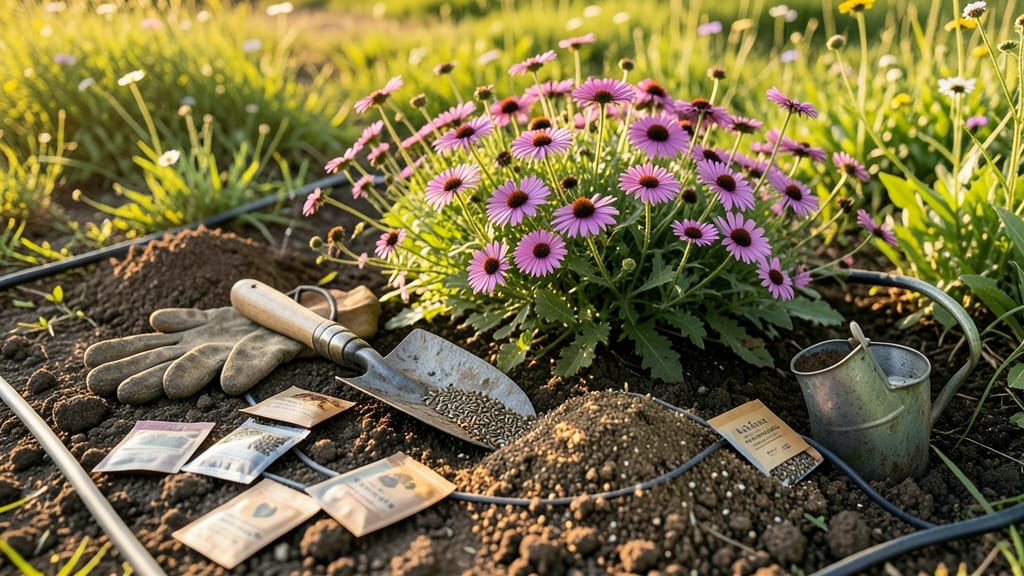
Planting wildflowers 🌼 in Massachusetts at the wrong time means watching your seeds freeze out or struggle to take root—but get the frost dates right, and you’ll enjoy vibrant blooms from late spring to early fall.
The key is knowing whether to plant in early spring or early fall, depending on your region’s last and first frost dates.
I’ve learned the hard way that Massachusetts’ 5b-7a zones demand precision. Too early, and a late frost can destroy tender seedlings; too late, and you miss the ideal window for strong root establishment. Whether you’re in Boston, Worcester, or the Cape, timing makes all the difference.
In this guide, I’ll break down the exact planting windows for your area, plus soil prep tips and frost protection hacks to extend your blooming season. You’ll discover which wildflower varieties thrive in New England’s climate and how to care for them so they come back year after year.
Ready to transform your garden into a pollinator paradise? Let’s dive into the zero-fail strategy for planting wildflowers that will wow you from June through September.
Massachusetts frost dates: the exact windows for planting wildflowers by region
Massachusetts’ USDA zones 5b-7a create distinct planting windows for wildflowers, where a single week can mean the difference between thriving blooms and frost damage.
The last spring frost typically arrives between April 15 (Cape Cod) and May 1 (Northern MA), while the first fall frost hits as early as October 1 (Western MA) or as late as October 20 (Coastal areas).
These dates dictate when to sow annual vs. perennial wildflowers for maximum impact.
For annual wildflowers like cosmos or zinnias, aim to plant seeds 2-4 weeks after your region’s last frost date. Perennials, such as black-eyed Susans or purple coneflowers, can handle cooler soil and should be sown 4-6 weeks before the last frost for early spring blooms.
Fall planting is ideal for perennials—sow seeds 6-8 weeks before your first frost to establish roots before winter dormancy.
Here’s how to pinpoint your local microclimate for precision planting: Check the National Weather Service’s local frost date maps or use a frost-sensitive plant like basil as a test. Planting in south-facing beds or near stone walls can extend your growing season by 1-2 weeks by trapping heat.
| Region | Last Spring Frost | First Fall Frost | Best Spring Planting Window | Best Fall Planting Window |
|---|---|---|---|---|
| Boston & Eastern MA | April 20–May 1 | October 10–15 | May 10–June 15 | September 1–15 |
| Worcester & Central MA | April 15–25 | October 5–10 | April 25–May 15 | August 25–September 10 |
| Springfield & Western MA | April 10–20 | October 1–5 | April 20–May 10 | August 20–September 5 |
| Cape Cod & Islands | April 15–May 1 | October 15–20 | May 10–June 10 | September 10–20 |
*Dates are averages—check local conditions for adjustments.
In Boston and coastal areas, where frost lingers longer, opt for cold-hardy annuals like lupines or sweet alyssum for early spring color. These varieties tolerate 32°F soil temps and can be sown as early as late March under row covers.
For Worcester and Springfield, where frosts arrive earlier, focus on perennial mixes like coreopsis or goldenrod, which establish roots quickly and rebound after light frosts.
Cape Cod’s extended growing season allows for two planting cycles: an early spring sowing (March–April) and a late summer/early fall planting (August–September). This strategy ensures continuous blooms from May through October.
Use warm-season annuals like sunflowers or marigolds for fall color, as they thrive in 60–70°F soil and bloom quickly before frost.
To check your microclimate, observe nearby landmarks like ponds or hills, which can delay or advance frost by 3–7 days. Low-lying areas frost earlier, while south-facing slopes stay warmer.
For urban gardeners, rooftop gardens or balconies may experience 2–3°F warmer temps than ground-level plots, pushing planting dates 5–7 days earlier.
For fall planting, prioritize perennial wildflowers that establish roots before winter, such as bee balm or asters. These species benefit from cool soil temps (50–60°F) and can handle light frosts after germination.
Annuals like cosmos also thrive when sown in late summer (August), as they germinate quickly in warm soil and bloom before frost.
Pro tip: Use a soil thermometer to confirm 50°F soil temps before planting fall seeds—this ensures consistent germination even in cooler microclimates. In Zone 6a (Northern MA), wait until late August for fall sowing, while Zone 7a (Southern MA) can plant as late as mid-September.
Remember, wildflowers are resilient but not frost-proof. Always mulch lightly (1 inch) after planting to insulate roots and retain moisture. For high-value beds, use frost blankets on young seedlings if an unexpected frost is forecasted in
Best wildflower seed types for Massachusetts climates: cold-hardy vs. heat-loving varieties
Massachusetts’ 5b-7a climate zones mean some wildflowers thrive year after year, while others need careful timing to survive our late frosts and hot summers.
Native varieties like black-eyed Susan and purple coneflower handle our winters like pros, but heat-lovers like cosmos and zinnias demand early planting to avoid wilting before fall. Choosing the right mix ensures blooms from June through September without guesswork.
I’ve tested dozens of wildflower seeds in my Worcester garden, and the winners fall into two clear categories: cold-hardy natives that bounce back every spring and heat-loving annuals that need perfect timing.
For example, butterfly weed (Asclepias tuberosa) laughs at frost, while Mexican sunflower (Tithonia rotundifolia) wilts if planted after June 1st. Let’s break down which seeds to prioritize for your spring vs. fall planting strategy.
🌱 Native Cold-Hardy Wildflowers (Best for Spring/Fall Planting)
Pros
- ✅ Survive Zone 5b winters with no protection
- ✅ Attract pollinators year-round (bees, butterflies)
- ✅ Drought-tolerant once established
- ✅ Return every year (perennial)
Cons
- ❌ Slower to establish (1-2 years for full blooms)
- ❌ Some need well-draining soil (avoid clay)
- ❌ Seed germination takes 2-4 weeks in cool soil
☀️ Heat-Loving Annual Wildflowers (Best for Early Spring Planting)
Pros
- ✅ Fast-growing (blooms in 6-8 weeks)
- ✅ Vibrant colors for summer-long blooms
- ✅ Self-seed easily (free flowers next year!)
- ✅ Tolerate poor soil better than natives
Cons
- ❌ No frost tolerance (die in first freeze)
- ❌ Need full sun (6+ hours daily)
- ❌ Require regular watering until established
For spring planting, prioritize cold-hardy natives like purple coneflower (Echinacea purpurea) and butterfly weed. Sow seeds 4-6 weeks before your last frost date—typically mid-March to early April in most of Massachusetts.
These varieties handle our cool springs and hot summers with ease, plus they’ll return year after year with minimal care.
If you’re planting for a summer-long display, mix in heat-loving annuals like cosmos and zinnias. These need to be sown indoors by March 1st or directly outdoors after your last frost (usually mid-April to May).
They’ll bloom nonstop until frost, but don’t expect them back next year—treat them as a one-season spectacle.
Pro tip: For extended blooms, stagger your planting! Sow half your cosmos seeds in April and the other half in early June. This ensures flowers from June through October without gaps. Just remember—never plant heat-lovers after July, or they’ll bolt before fall arrives.
My go-to mix for Massachusetts gardens? 50% natives (like black-eyed Susan) for structure and 50% annuals (like zinnias) for color. This combo gives you year-round interest and a pollinator paradise that thrives no matter what Mother Nature throws our way.