
Flowers
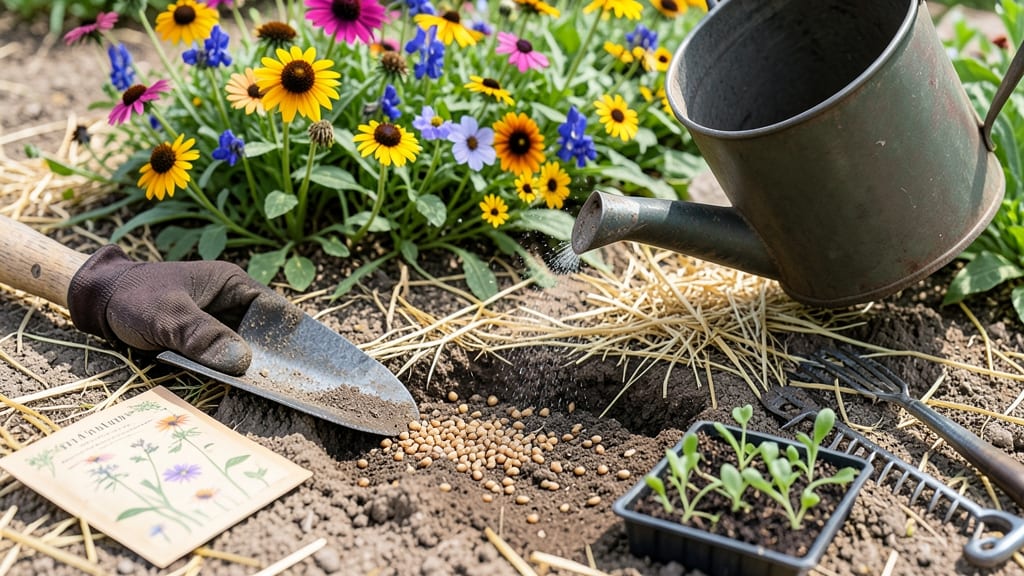
Planting wildflowers 🌼 in Oklahoma at the wrong time can turn your dream meadow into a dusty disappointment—especially in USDA Zones 7a/7b, where heat and drought play hardball with new seeds.
The secret to success? Timing your plantings to avoid the brutal mid-summer sun or late-winter freezes that leave seeds struggling to sprout.
Most gardeners in Oklahoma swear by late winter to early spring (February–April) as the sweet spot, but there’s a second chance in late summer (August–September) for fall blooms. These windows let wildflowers establish roots before extreme weather moves in, giving you longer blooming seasons and happier pollinators.
Why does this matter? Because wildflowers aren’t just pretty—they’re lifelines for bees, butterflies, and birds. Get the timing right, and you’ll see your meadow burst into color year after year. I’ll break down the exact deadlines, soil prep tips, and native species that thrive in Oklahoma’s climate.
Ready to transform your yard into a pollinator paradise? Let’s dive into the best planting windows and how to avoid costly mistakes that kill seeds before they even take root.
Best planting windows for Oklahoma wildflowers by season (Zone 7a/7b guide)
Oklahoma’s wildflowers thrive when planted at the right time, and understanding your USDA Zone 7a/7b planting windows is key. The state’s spring and fall seasons offer the best opportunities, but timing varies by species and microclimate.
For example, Indian blanket (Oklahoma’s state flower) loves late winter to early spring, while purple coneflowers can handle late summer plantings with ease.
Soil temperatures below 50°F can delay germination, while 90°F+ heat can bake seeds before they sprout. Oklahoma’s variable rainfall patterns also play a role—planting after a light rain helps ensure seeds stay hydrated.
Microclimates, like urban heat islands or shaded woodlands, can shift ideal planting dates by 2-4 weeks, so observe your specific area.
| Season | Ideal Planting Months | Soil Temp Threshold | Rainfall Needs | Native Species Examples |
|---|---|---|---|---|
| Spring | February–April | 50–65°F | 1–2 inches before planting | Indian blanket, black-eyed Susan, bluebonnet |
| Summer | August–early September | 65–75°F | 0.5–1 inch post-planting | Purple coneflower, blanketflower, gayfeather |
| Fall | September–October | 55–70°F | 1 inch before first frost | Coreopsis, salvia, partridge pea |
For spring planting, aim for late February to April when soil warms to 50–65°F. This window ensures seeds germinate before Oklahoma’s summer heat peaks. Indian blanket and black-eyed Susans are classic choices, but avoid planting after April 15 in Zone 7a—seeds may dry out before establishing roots.
If you prefer fall planting, September to October is ideal. Soil stays warm enough for germination while rainfall increases, reducing irrigation needs. Coreopsis and salvia thrive in this window, and seeds can even overwinter for spring blooms.
Just plant 4–6 weeks before first frost (typically mid-November in Zone 7b).
Summer planting is trickier but works for heat-tolerant species like purple coneflowers. Plant in August or early September when daytime temps drop below 90°F. Water deeply every 2–3 days until seeds sprout, then taper to weekly watering once established. Mulch with straw or wood chips to retain moisture.
Microclimates can shift planting dates by 2–4 weeks. Urban areas stay 5–10°F warmer than rural zones, so plant 2 weeks earlier in cities. Shaded spots may need extended watering to compensate for slower soil warming.
Test your soil’s moisture level—if the top 2 inches are dry, delay planting until after rain.
Adjust for drought years by planting smaller seed mixes (like clover or wild indigo) that establish faster. In wet years, avoid late spring plantings—excess moisture can cause seed rot.
Always scratch seeds lightly into soil (no deeper than 1/4 inch) and press them in gently for best contact.
For pollinator-friendly meadows, mix spring and fall plantings to extend blooms. Start with cool-season wildflowers in spring, then add warm-season varieties in late summer. This creates a continuous food source for bees and butterflies from March to October.
Pro tip: Use a seed starter mix for tricky species like bluebonnet, which needs stratification. Scatter seeds in late fall, let winter chill them, then water lightly in early spring for reliable germination.
Oklahoma’s wildflowers reward patience—plant at the right time, and you’ll enjoy vibrant blooms for years.
Critical deadlines to avoid: when NOT to plant wildflowers in Oklahoma
Planting wildflowers in Oklahoma outside the ideal windows can turn your hard work into a wasted seed packet. The biggest mistakes? Planting too early when frost still lingers or too late when summer heat bakes seeds into the soil.
Even experienced gardeners fall into these traps, but knowing the danger zones can save your meadow.
In USDA Zones 7a/7b, the last frost date typically falls around March 15, while the first frost arrives in mid-November. These dates create a narrow window where wildflowers can germinate without immediate threats.
Planting outside these times often leads to seeds either freezing or drying out before they sprout.
Here’s the harsh truth: June through August is the absolute worst time to plant wildflowers in Oklahoma. The combination of scorching heat and drought-like conditions creates a deadly environment for new seeds. Even if they manage to sprout, they’ll struggle to establish roots before the next heatwave hits.
⚠️ DANGER ZONE CALENDAR
❌ Avoid Planting:
- January–February: Seeds risk freezing before germination.
- May–June: Heat stress dries out seeds before sprouting.
- October–November: Late plantings may not establish before first frost.
✅ Safe Planting Windows:
- Late February–April: Ideal for spring blooms and cool-season species.
- August–September: Perfect for fall wildflowers and warm-season varieties.
💡 Pro Tip: If you must plant outside these windows, use shade cloth and daily watering to protect seeds.
If you’ve already planted in a danger zone, don’t panic. There are ways to salvage your wildflower dreams. Start by mulching heavily to retain moisture and protect seeds from extreme temperatures.
Use straw or wood chips to create a insulating layer that keeps the soil cool in summer and warm in spring.
For seeds planted too late in the season, consider covering them with a cold frame or row fabric to extend the growing season. This simple trick can buy your wildflowers the extra time they need to germinate before winter sets in.
Even a lightweight plastic tunnel can make a big difference in protecting young seedlings.
Remember, wildflowers are tough once established, but they need a helping hand during their first few weeks. By avoiding the danger zones and using these salvage tips, you’ll give your Oklahoma meadow the best chance to thrive—no matter when you plant.