
Flowers
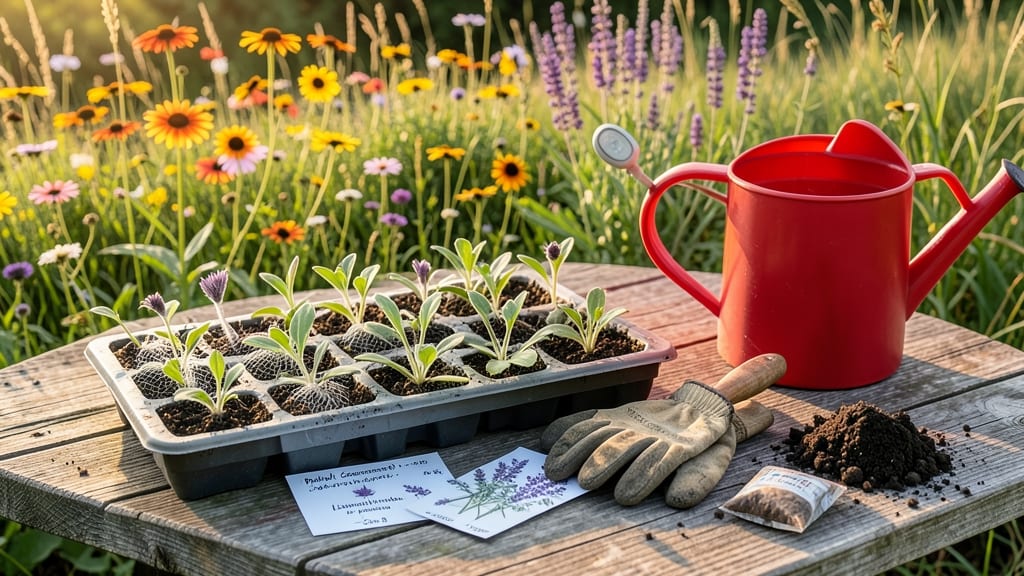
Planting wildflowers 🌼 in Zone 8 at the wrong time can mean the difference between a vibrant spring meadow and a sad, frost-bitten disappointment.
The key to fast, reliable blooms lies in understanding your local frost dates and how they impact timing—especially since Zone 8’s mild winters let you work with two distinct planting windows.
Most gardeners in Zone 8 rush to plant in early spring, but that’s not always the fastest route to color. Fall planting often yields earlier blooms the following year because cooler temperatures encourage strong root growth before winter.
I’ve tested both methods, and the results might surprise you—especially if you’re in areas like Southern California or the Texas Hill Country, where microclimates can shift your ideal window by weeks.
What you’ll discover here is exactly when to plant for fast blooms, which wildflower varieties thrive in each season, and how to prep your soil for maximum success.
Whether you’re aiming for a poppy-filled spring or a coneflower-filled fall, timing is everything—and I’ll show you how to get it right the first time.
Ready to transform your garden into a pollinator paradise? Let’s dive into the frost-free timeline that’ll have your wildflowers bursting into color exactly when you want them.
Zone 8 wildflower planting calendar: exact months for fast blooms
Timing your wildflower planting in Zone 8 is all about avoiding late frosts while maximizing bloom potential. Since Zone 8 spans from Southern California to Atlanta, microclimates vary—coastal areas stay milder longer, while inland regions can see earlier frosts.
My strategy? Plant annuals in early spring (after last frost) and perennials in fall (6-8 weeks before first frost) for year-round color.
For Southern California, where frost is rare, you can even plant annuals in late winter (February). In Texas Hill Country or Atlanta, wait until mid-March to be safe. Perennials like black-eyed Susans thrive when planted in September-October, giving roots time to establish before winter.
Here’s the key: Annual wildflowers need warm soil to germinate, so wait until soil temps hit 60°F (use a soil thermometer!). Perennials, however, benefit from cooler fall soil.
My rule of thumb? If your last frost date is March 15, plant annuals by March 1 and perennials by September 15.
| Region | Planting Window | Best Wildflowers | Bloom Time |
|---|---|---|---|
| Southern California | Feb–Mar (annuals) Sep–Oct (perennials) |
California poppy, Lupine, Coreopsis | Spring–Summer |
| Texas Hill Country | Mar–Apr (annuals) Sep (perennials) |
Bluebonnet, Mexican hat, Salvia | Spring–Fall |
| Atlanta, GA | Mid-Mar–Apr (annuals) Sep–Oct (perennials) |
Black-eyed Susan, Coneflower, Gayfeather | Summer–Fall |
Pro tip: Succession planting in May and June keeps your garden blooming all summer. Scatter fast-growing annuals like cosmos or zinnia—they’ll fill gaps left by early bloomers. For perennials, divide clumps in early spring to rejuvenate plants and create new patches.
Don’t forget to prep your soil 2–3 weeks before planting. Loosen the top 6 inches of soil and mix in compost for nutrients. Annuals love well-draining soil, while perennials appreciate a bit more organic matter. If your soil is heavy clay, amend it with sand or perlite to improve drainage.
Watering is critical in the first 4–6 weeks after planting. Keep soil consistently moist (1–2 inches per week) but avoid waterlogging. Once established, most Zone 8 wildflowers are drought-tolerant, but they’ll reward you with longer blooms if you keep them hydrated during heatwaves.
For fastest blooms, choose annual varieties with short days-to-maturity, like lupine (45–60 days) or cosmos (60–75 days). Perennials like coneflower take 60–90 days to bloom but return year after year. My go-to mix? 50% annuals for instant color and 50% perennials for long-term beauty.
Watch for pests like aphids or disease from overwatering. If you notice yellowing leaves, reduce watering and inspect for powdery mildew.
A light neem oil spray keeps pests at bay without harming pollinators. Deadhead spent blooms to encourage more flowers and prevent self-seeding where you don’t want it.
By following this Zone 8 planting calendar, you’ll enjoy vibrant blooms from spring to fall. Start with annuals in March, add perennials in September, and watch your garden transform into a pollinator paradise! 🌼
Best wildflower species for Zone 8 planting by season
Choosing the right wildflower species for your Zone 8 garden isn't just about aesthetics—it's about matching their natural blooming cycles to your planting timeline.
Spring-bloomers like California poppies and bluebonnets thrive when sown in late fall or early spring, while fall favorites such as black-eyed Susans and coneflowers establish roots better when planted in late summer.
I've planted both types for years, and the difference in bloom duration is striking: spring varieties often fade by summer, while fall-planted perennials can extend color into December.
The key to success lies in understanding each species' color duration and root establishment needs. For example, Mexican sunflowers planted in spring will burst into color in just 60 days, while purple coneflowers sown in fall may take until next spring to reward you with their signature blooms.
Let's break down the best species for each planting window so you can plan your garden like a pro.
California poppy (Eschscholzia californica) – 60-day blooms, drought-tolerant, orange/yellow hues. Ideal for fast color in early spring.
Black-eyed Susan (Rudbeckia hirta) – 90-day blooms, golden-yellow flowers, thrives in poor soil. Blooms from summer to early fall.
Purple coneflower (Echinacea purpurea) – 120-day blooms, pink/purple flowers, pollinator magnet. Blooms from late summer through winter.
Lupinus texensis – State flower, blue blooms, 60–90 days to flower. Plant in fall for spring color and nitrogen-fixing benefits.
Mexican sunflower (Tithonia rotundifolia) – 60–75 days, tall orange blooms, thrives in heat. Perfect for instant summer color.
If you're aiming for a spring meadow, focus on California poppies and bluebonnets—they're the fastest to establish and bloom. I've seen gardens in Southern California explode with color just 60 days after planting these varieties in early spring.
The secret? Start seeds indoors in late winter to get a jump on the season. For a longer-lasting display, mix in black-eyed Susans and coneflowers, which will keep blooming well into fall.
For fall planting, prioritize perennial varieties like coneflowers and black-eyed Susans. These tough plants establish roots in the cool months and reward you with vibrant blooms the following year.
I planted a patch of coneflowers in September one year, and they've been blooming reliably ever since—even through mild Zone 8 winters. The trade-off? You'll wait until next spring for those first flowers, but the payoff in pollinator activity and low-maintenance beauty is worth it.
Don't overlook regional favorites like Texas bluebonnets if you're in the Hill Country. These state flowers thrive when planted in fall and create a stunning carpet of blue in spring. For a heat-loving option, Mexican sunflowers planted in spring will give you towering orange blooms that last all summer.
The key is matching your planting window to each species' natural cycle—spring for quick color, fall for long-term rewards.
Pro tip: Mix fast-blooming annuals with slow-growing perennials to create a continuous color show. For example, plant cosmos (30–40 days to bloom) alongside purple coneflowers (90+ days).
This way, you'll have flowers from spring through winter with minimal effort. Just remember: water deeply during establishment, and avoid fertilizing once blooms appear—wildflowers thrive on lean soil!