
Flowers
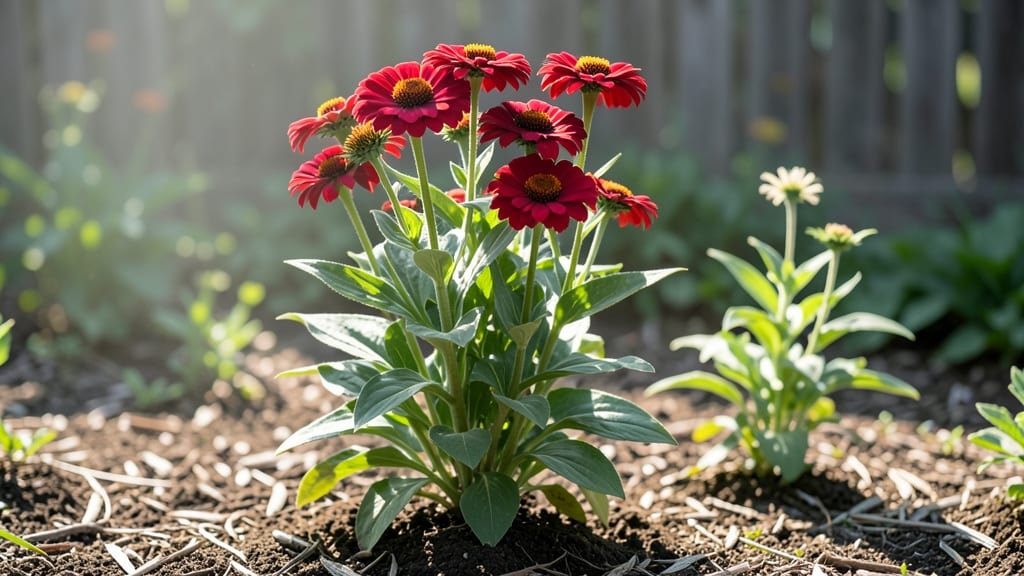
If you’ve ever wondered whether your zinnia flowers in sun or shade can handle the tricky spots in your garden, here’s the good news: these vibrant bloomers are far more adaptable than you might think.
While they love basking in full sun, many varieties actually thrive in partial shade—meaning you don’t have to sacrifice those bold, cheerful blooms just because your yard isn’t a sun-soaked paradise.
I’ve grown zinnias in everything from bright borders to dappled woodland edges, and the key lies in choosing the right variety for your light conditions.
Whether your space gets 6+ hours of sun or just a few scattered rays, there’s a zinnia that’ll reward you with long-lasting, show-stopping flowers from June through October. Let’s break down which types shine where—and how to coax the best blooms from your garden, no matter the light.
The secret to success starts with understanding your garden’s unique lighting. Too much shade can lead to leggy stems and fewer flowers, but with the right care—like well-draining soil, consistent watering, and occasional pruning—you can keep your zinnias thriving even in trickier spots.
We’ll cover soil prep, watering schedules, and seasonal tips tailored to sun vs. shade, so you can enjoy a garden that’s as resilient as it is beautiful.
Ready to transform those shady patches into a zinnia hotspot? I’ll walk you through the best shade-tolerant varieties, sun-loving champions, and everything in between—so you can enjoy bold blooms all season, no matter where you plant them.
 Best Window Placement
Best zinnia varieties for full sun: maximum blooms and heat resistance
If you're dreaming of a vibrant summer garden that thrives under scorching sunlight, zinnias are your perfect partner. These heat-loving annuals not only tolerate full sun but flourish in it, producing bold blooms from early summer until frost.
For maximum blooms and heat resistance, focus on varieties bred for intense sunlight and drought tolerance, like 'Benary’s Giant' or 'Profusion' series.
Zinnias in full sun reward you with longer vase life and disease resistance. The key is selecting sun-adapted varieties and providing well-draining soil with regular watering during establishment. Let’s dive into the top-performing zinnias for full-sun gardens and how to grow them for maximum impact.
| Variety | Height | Bloom Color | Sun Needs | Heat Tolerance | Best For |
|---|---|---|---|---|---|
| Benary’s Giant | 3–4 ft | Red, pink, white | 6+ hours | Excellent | Cut flowers, bouquets |
| Profusion Series | 1–2 ft | Multi-color blends | 6+ hours | Very high | Containers, borders |
| Crystal Series | 1–2 ft | Double blooms | 6+ hours | High | Drought-prone areas |
| Zahara Series | 2–3 ft | Deep red, orange | 6+ hours | Extreme heat | Hot climates |
| Thumbelina Series | 6–12 in | Multi-color | 6+ hours | Good | Containers, window boxes |
For maximum blooms, prioritize Benary’s Giant zinnias—they produce large, showy flowers perfect for cut arrangements. This variety thrives in full sun and hot climates, making it ideal for southern gardens. Plant them 12–18 inches apart to ensure good airflow and reduce disease risk.
If you prefer compact, space-saving options, the Thumbelina Series delivers bright, cheerful blooms in dwarf sizes. These zinnias are perfect for containers, window boxes, or small gardens where space is limited. They also tolerate heat exceptionally well, making them a low-maintenance choice.
To encourage non-stop blooming, dead
Shade-tolerant zinnia types: how to grow them in partial sun or dappled light
If your garden has spots with only 3–6 hours of sunlight, don’t assume zinnias are off-limits. While these flowers adore full sun, certain varieties like 'Benary’s Giant' and the 'Profusion' series are surprisingly adaptable to partial shade.
I’ve grown these in my own woodland-edge garden, where they produce compact, vibrant blooms even under dappled light.
The key to success lies in selecting the right variety and adjusting care slightly. Shade-tolerant zinnias may grow slightly taller and leggier than sun-loving types, but with proper soil prep and watering, they’ll reward you with continuous blooms from summer through fall.
Let’s explore the best options and how to nurture them for maximum impact.
Shade-Tolerant Zinnias: Pros & Cons
✅ Pros
- Adaptability: Thrives in 3–6 hours of light
- Longer stems: Ideal for cut flowers and bouquets
- Fewer pests: Shade deters aphids and spider mites
- Extended blooms: Continuous flowers in cooler conditions
❌ Cons
- Leggy growth: Needs staking or pruning
- Smaller blooms: Flowers may be less vibrant than sun-grown
- Slower growth: Requires patience for establishment
- Soil sensitivity: Needs well-draining, rich soil
Start with 'Profusion' zinnias, a series bred for shade tolerance and disease resistance. These compact plants reach 12–18 inches tall and produce double blooms in pink, red, and white.
Another top pick is 'Benary’s Giant', which tolerates partial shade better than most giant zinnias and produces 6-inch blooms perfect for cutting.
To encourage robust growth in shade, amend your soil with compost and perlite to improve drainage. Zinnias in shade are more prone to fungal issues, so avoid overhead watering.
Instead, water at the base of the plant in the morning to keep foliage dry. I’ve found that mulching with straw helps retain moisture and regulates soil temperature.
Deadhead spent blooms regularly to encourage new flower production, especially in shade where energy is limited. Prune leggy stems back by one-third to promote bushier growth. With these adjustments, your shade-tolerant zinnias will outperform expectations, adding color and texture to even the trickiest garden spots.
For the best results, pair shade-tolerant zinnias with hostas or ferns to create a layered, lush display. These combinations thrive together, with zinnias providing vertical interest and bold color while their shade-loving companions fill in the gaps.
With the right variety and care, your shady garden can become a zinnia hotspot just like any sunlit border.