
Light Requirements
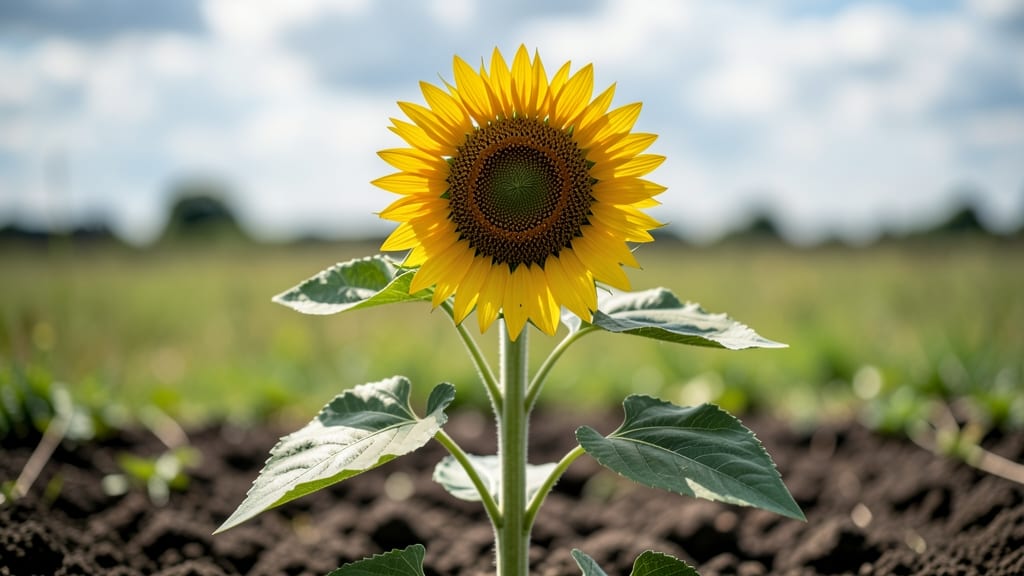
If you’ve ever planted sunflowers 🌻 expecting those iconic golden blooms only to end up with sad, skinny stems, you’re not alone—because sunflowers absolutely need sun.
These towering giants aren’t just picky; they’re downright demanding about light, and skimp on it, and you’ll miss out on the vibrant displays you’re dreaming of.
The magic number is 6-8 hours of direct sunlight daily, but here’s the catch: it’s not just about quantity—it’s about quality. Sunflowers crave full sun exposure to fuel their rapid growth, from those sturdy stems to the massive blooms that can reach taller than you are.
Without enough light, they’ll stretch painfully toward any available rays, a condition called etiolation, leaving you with weak plants and tiny flowers.
But what happens when your garden isn’t basking in sunshine all day? Maybe you’re dealing with shade from trees or a north-facing yard in USDA Zone 6a. Don’t worry—we’ll cover how to position your sunflowers for success, whether you’re planting them in spring or squeezing them into containers.
The key is working with what you’ve got to give your sunflowers the light they crave.
Ready to grow sunflowers that reach for the sky instead of flopping over? Let’s dive into exactly how much sun these plants need, what to watch for when they’re not getting enough, and some clever tricks to maximize their light—no matter where you’re gardening.

How much sun do sunflowers need for optimal growth?
Sunflowers are the superstars of the sun-loving plant world, but their love for sunlight isn’t just about basking—they require precise light conditions to reach their full potential. Without enough sun, you’ll miss out on those iconic towering blooms and plump seeds that make sunflowers so rewarding to grow.
The science behind their light needs explains why 6 hours of direct sunlight is the minimum, while 8-12 hours yields the best results.
Sunflowers are heliotropic, meaning their flower heads follow the sun’s movement from east to west during the day. This behavior isn’t just charming—it’s a sign of their sun dependency.
When sunlight is limited, their growth patterns change dramatically, often resulting in shorter stems, smaller blooms, and fewer seeds. Understanding these patterns helps you position your sunflowers for success, whether you’re in a sun-drenched southern climate or a cooler northern region.
| Sunlight Requirement | Ideal Conditions | Effects of Insufficient Sun |
|---|---|---|
| Minimum Daily Sunlight | 6 hours of direct sunlight | Leggy stems, delayed blooming, weak structure |
| Optimal Daily Sunlight | 8-12 hours of direct sunlight | Tall, sturdy stems, large blooms, high seed yield |
| Northern Climates (Spring/Fall) | 6-8 hours (supplement with reflective surfaces) | Slower growth, smaller flowers, reduced seed production |
| Southern Climates (Summer) | 8-12 hours (afternoon shade helps prevent stress) | Heat stress, wilting, sunburn on leaves |
| Partial Shade Tolerance | Dwarf varieties only (e.g., 'Teddy Bear') | Stunted growth, minimal flowering, no seed production |
The minimum 6 hours of direct sunlight is where sunflowers draw the line between survival and thriving. Below this threshold, their photosynthesis slows dramatically, leading to weaker cell walls and elongated stems as they stretch toward any available light.
This phenomenon, called etiolation, results in plants that are prone to toppling and produce small, underdeveloped blooms.
In northern climates, where sunlight is less intense and days are shorter, sunflowers may struggle to meet their 8-12 hour ideal. Here, seasonal adjustments are key—plant sunflowers in early spring to take advantage of longer daylight hours in summer.
Using reflective surfaces, like white walls or mirrors, can also bounce extra light onto your plants, giving them a light boost without moving them.
Conversely, southern climates offer abundant sunlight, but intense midday heat can become a problem. While sunflowers love sun, afternoon shade (especially during peak summer months) can prevent leaf scorch and wilting.
A trick I’ve used is planting sunflowers near tall trees or structures that provide partial shade in the afternoon while still allowing morning and late-day sun exposure.
One of the most visible effects of insufficient sunlight is the size of the flower head and seed production. Sunflowers grown in full sun can produce blooms up to 3 times larger than those in partial shade.
The seeds, too, suffer—plants with less than 6 hours of sun often yield fewer, smaller seeds, making them less viable for harvesting or bird feeding.
If you’re growing sunflowers in containers or urban gardens, maximizing sunlight becomes even more critical. Place pots on south-facing balconies or rooftops where they can soak up unobstructed sunlight.
Rotate containers every few days to ensure all sides receive equal exposure, mimicking the heliotropic behavior of sunflowers in the ground.
For gardeners in shaded areas, consider dwarf sunflower varieties like 'Moulin Rouge' or 'Teddy Bear,' which tolerate partial shade slightly better than their towering cousins. Even these varieties, however, will perform best with at least 4-6 hours of direct sunlight.
Pair them with reflective mulch or light-colored gravel to enhance light absorption.
Remember, sunflowers aren’t just about looking pretty—they’re energy powerhouses that convert sunlight into biomass and seeds at an astonishing rate. By giving them the right amount of sun, you’re not just ensuring beautiful blooms—you’re harvesting the rewards of their hard work.
So, find that sunniest spot in your garden and let these cheerful giants shine! ☀️🌻
Signs your sunflowers aren’t getting enough sun (and how to fix it)
When your sunflowers 🌻 start looking more like sad twigs than the towering beauties you planted, it’s often a clear sign they’re not getting enough sun. The most obvious clue is leggy, weak stems that stretch unnaturally toward any available light source.
This condition, called etiolation, happens when sunflowers don’t receive their required 6-8 hours of direct sunlight daily. Without enough light, they prioritize reaching upward over building strong stems or producing large blooms.
Another red flag is small, underdeveloped flowers that fail to open fully or bloom at all. Sunflowers need ample sunlight to trigger the energy production required for those iconic golden blooms. If your plants are producing tiny, greenish flowers that never mature, it’s a sure sign they’re light-deprived.
Even the leaf color can give you clues—pale or yellowing leaves often indicate insufficient sunlight for photosynthesis.
Delayed or absent flowering is another classic symptom. Sunflowers typically bloom within 60-120 days of planting, but in low-light conditions, this timeline can stretch indefinitely. You might notice buds forming but never opening, or flowers that appear but quickly wilt.
Even the seed development suffers—if your sunflowers produce seeds that are small, shriveled, or fail to mature, it’s a direct result of inadequate sunlight.
Sunflowers are full-sun plants through and through. Even partial shade (less than 6 hours of direct sun) will stunt their growth, reduce bloom size, and weaken their stems. If your garden lacks full sun, consider these fixes:
- Relocate plants to the sunniest spot in your yard (south-facing areas are best).
- Use reflective surfaces like mirrors or white mulch to bounce extra light onto plants.
- Choose dwarf varieties like 'Teddy Bear' if full sun isn’t an option.
- Avoid pruning unless necessary—sunflowers need all their energy for growth.
If you spot these signs, don’t panic—there are ways to help your sunflowers recover. Start by transplanting them to a sunnier location as soon as possible. Sunflowers adapt surprisingly well when given more light, though their stems may never fully recover their original strength.
For container-grown sunflowers, move them to a south-facing patio or balcony where they can soak up more rays.
For established plants with weak stems, you can try staking or caging them to provide support while they adjust. Avoid heavy pruning, as this can further stress the plant. Instead, focus on ensuring they get consistent morning sunlight, which is the most critical time for photosynthesis.
If your sunflowers are still young, consider thinning the seedlings to give remaining plants more space to access sunlight.
Remember, sunflowers are fast growers, and their needs change as they mature. A seedling might tolerate 4-6 hours of sun initially, but once they reach 3 feet tall, they’ll demand full sun to support their rapid vertical growth.
By addressing their light needs early, you’ll set them up for healthier stems, larger blooms, and stronger seed production—all the hallmarks of a thriving sunflower garden.