
Flowers
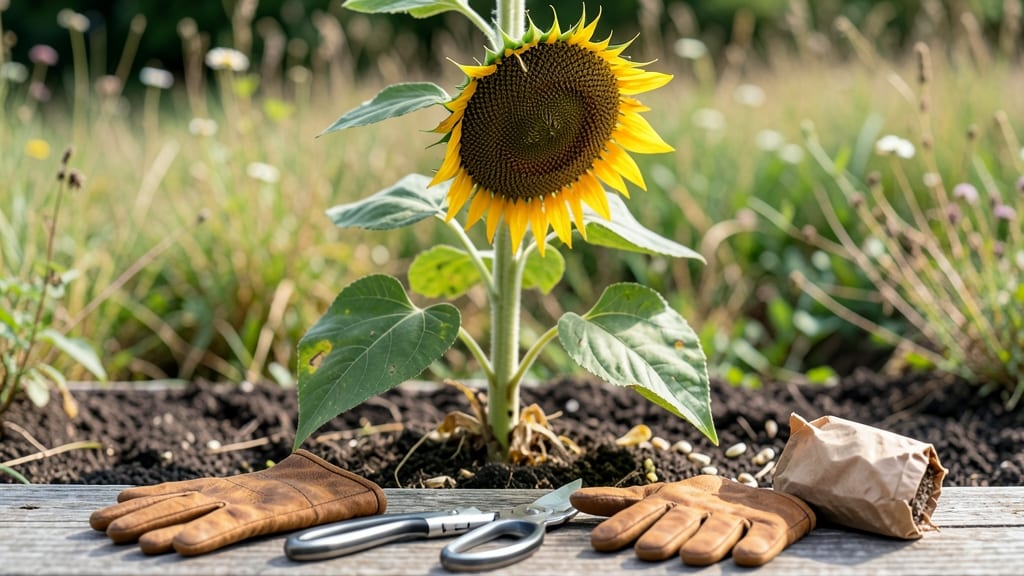
Sunflowers produce seeds in a precise window that turns their towering blooms into golden harvests—if you know exactly when to watch for it.
That 60- to 90-day countdown from planting to ripe seed heads depends on more than just time; it hinges on variety, climate, and even the subtle shift from vibrant petals to a dry, papery crown.
Whether you're growing tall giants for birdseed or dwarf varieties for snacking, missing this stage means losing out on the richest, most viable seeds your plants have to offer.
Most sunflowers planted in April or May (like in USDA Zone 6a) will start forming seeds by mid-summer, but the real magic happens in late July to September when the back of the seed head turns from green to yellow-brown.
This is your cue that nature’s clockwork is ticking—ignore it, and you might harvest seeds that won’t store well or sprout properly. The key? Learning to read the plant’s signals before the first frost sneaks in.
What I’ve discovered after tracking my own 🌻 sunflower patches is that patience pays off: rushing the harvest too soon leads to soft, shriveled seeds, while waiting too long risks them scattering or attracting pests.
In this guide, I’ll break down the exact stages to watch for—from that first rattling sound inside the head to the perfect moment to snip—and share pro tips to maximize your yield, no matter your growing conditions.
Ready to turn your sunflowers into a bountiful seed stash? Let’s dive into the science behind the timing, so you never miss another harvest again.
Sunflower seed production timeline: from flower to ripe seed head
Sunflowers transform from vibrant blooms to seed-filled heads in a surprisingly short window—typically 60 to 90 days after planting—but timing varies based on variety, climate, and growing conditions. Understanding this process helps you predict when your sunflowers will produce seeds and harvest them at peak quality.
The journey begins with flowering and ends when the seed heads reach full maturity, a phase marked by dramatic color and texture changes.
Most sunflower varieties follow a predictable growth cycle: germination (7-14 days), vegetative growth (30-45 days), flowering (10-15 days), and seed development (45-60 days).
The seed production phase starts immediately after the flower opens, but environmental factors like temperature, sunlight, and water availability can accelerate or delay this process.
For example, dwarf varieties like 'Teddy Bear' may produce seeds in as little as 50 days, while towering giant varieties like 'Mammoth' can take up to 120 days.
Here’s the key: seed production begins within 2-3 weeks after flowering, but the seeds won’t be harvest-ready until the back of the head turns yellow-brown and the seeds inside rattle when shaken.
This timeline assumes optimal conditions—6-8 hours of sunlight daily, consistent moisture, and warm temperatures (70-85°F). If your sunflowers struggle with heat stress or drought, seed development may stall or produce lower-quality seeds.
🌻
The critical window for seed production begins right after flowering, when the sunflower’s disk florets (the small flowers in the center) transform into seeds. During this phase, the seed head will darken from green to brown, and the petals will wilt and fall off.
This process typically takes 4-6 weeks, but cooler temperatures can extend it. For example, if you plant sunflowers in late spring in USDA Zone 5, seed development might take longer due to shorter daylight hours and cooler nights.
One common misconception is that sunflowers produce seeds immediately after blooming. In reality, the first 2-3 weeks post-flowering are focused on seed initiation, not maturity. The seeds start small and green but gradually harden and darken as they fill with nutrients.
By week 5-6, the seeds should be plump and firm, ready for harvest. If you harvest too early, the seeds will be soft and underdeveloped, while waiting too long risks seed loss to birds or mold.
Environmental factors play a huge role in this timeline. High temperatures (above 90°F) can speed up seed development but may reduce seed quality, while cool, cloudy weather slows the process. Water stress during seed formation can lead to shrunken or hollow seeds, so maintain moderate moisture until the seed heads are fully brown.
Conversely, overwatering can cause the seed heads to split or develop mold, so reduce watering as the heads mature.
To track your sunflowers’ progress, start a simple growth journal. Note the date of flowering and monitor the seed head’s color changes weekly. For example, if your sunflowers bloom on July 1st, expect seeds to be ready for harvest by mid-to-late August in most climates.
In warmer regions, like USDA Zone 9, this window may shift to June to early September
How to identify perfectly ripe sunflower seeds for harvesting
Harvesting sunflower seeds at the right moment transforms a towering plant into a treasure trove of nutritious seeds. The key lies in observing three critical visual cues: the color shift of the seed head, the seed rattling test, and the back-of-head indicator.
When these signs align, you’ve hit the sweet spot for seed maturity—typically 70-90 days after planting, depending on your variety and climate.
Start by watching the seed head’s color. Early in the season, it’s lush and green, but as seeds mature, the outer bracts (the papery layers) turn from green to yellow-brown. This change signals that the seeds inside are drying out and reaching peak viability.
Ignoring this shift means risking seeds that are either too moist or too dry, both of which reduce storage life and germination rates.
⚠️ callout warning ⚠️
Sunflowers produce seeds in a 10-14 day window after the petals drop. Harvesting too early (when heads are still green) yields soft, shriveled seeds that won’t store well. Waiting too long risks seeds scattering or attracting pests like squirrels. In Zone 6a, aim for late July to early September—just before the first frost.
Pro Tip: Mark your calendar 60-90 days after planting to track maturity.
Next, perform the seed rattling test. Gently shake the seed head over a paper bag—if you hear a loud, clear rattle, the seeds are ready. This sound confirms the seeds are fully dry and detached from the head’s inner walls.
If the rattle is faint or absent, the seeds need more time. Overlooking this step often leads to seeds that won’t sprout later.
The back-of-head indicator is the final clue. Look at the reverse side of the seed head—the area facing away from the sun. When it turns yellow-brown to blackened, it’s your green light to harvest.
This darkening occurs as the seeds dehydrate, signaling they’re at their peak nutritional value. Skipping this check can mean harvesting seeds that are still too moist, inviting mold or rot.
To avoid common mistakes, harvest on a dry, sunny morning after the dew has evaporated. Use clean, sharp pruning shears to cut the seed head, leaving a 2-inch stem for hanging.
Once harvested, lay the heads on a paper-lined tray in a warm, dry spot for 1-2 weeks to finish drying. This step ensures your seeds are 100% ready for storage or planting.
Remember, every sunflower variety has its own timeline—dwarf types like 'Teddy Bear' mature faster (60 days) than giants like 'Russian Mammoth' (120 days). By mastering these three cues, you’ll never miss another harvest, turning your garden into a seed-saving goldmine year after year. 🌾