
Flowers
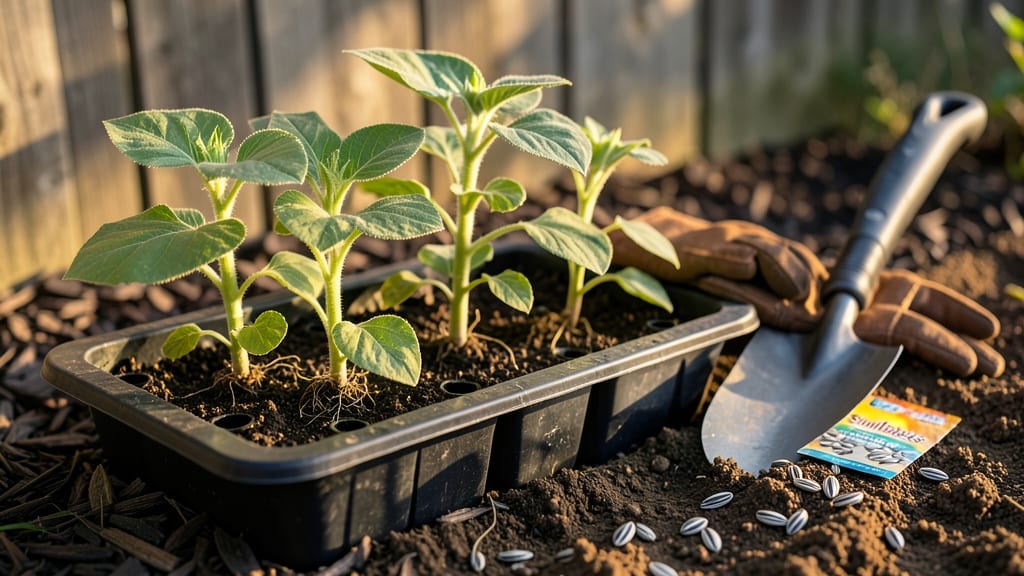
Planting sunflowers at the wrong time in New England can turn your 🌻 dreams into stubby, underwhelming stems—no matter how much you love their cheerful faces.
The key to towering, vibrant blooms lies in knowing exactly when to get those seeds in the ground, especially when your USDA Zone 5b-6b climate swings between icy springs and unpredictable summers.
Most gardeners in New England wait until mid-April to early June after the last frost, but timing isn't one-size-fits-all. Coastal areas warm up faster than inland spots, and late-summer varieties need a different approach entirely.
I’ll break down the perfect planting windows so you can avoid the common mistakes that leave sunflowers struggling—or worse, never sprouting at all.
Whether you're starting seeds indoors for an early jumpstart or sowing directly into warmed soil, this guide covers everything you need to know. We’ll also explore how to extend your sunflower season with heat-tolerant varieties and simple tricks to protect young plants from New England’s infamous late frosts.
Ready to grow sunflowers that reach for the sky? Let’s dive into the exact dates, soil prep secrets, and variety choices that’ll make your garden the talk of the neighborhood.
Optimal sunflower planting dates in New England by USDA Zone
Timing your sunflower planting in USDA Zones 5-6 can make or break your harvest. New England's cool springs and variable summers mean waiting for the right window—typically after the last frost date—is critical.
For Zone 5b, aim for mid-May, while Zone 6b gardeners can start as early as late April in sheltered areas. Coastal regions like Maine or Massachusetts often have later frost dates than inland areas like Vermont or New Hampshire, so adjust accordingly.
Sunflowers thrive when soil temperatures reach 60°F+, which usually aligns with late spring in New England. Use a soil thermometer to confirm readiness—cold soil delays germination and weakens seedlings. If your soil is still chilly, consider black plastic mulch to warm the ground faster.
This trick works especially well for early-season varieties like 'Teddy Bear' or 'Moulin Rouge,' which need a head start to mature before fall frosts arrive.
Here’s your New England sunflower planting guide, broken down by zone and method:
| Zone & Region | Direct Sowing Window | Transplant Window | Soil Temp Requirement | Microclimate Tip |
|---|---|---|---|---|
| Zone 5b (e.g., Northern VT, NH) | Mid-May to early June | Late May (hardened seedlings) | 60°F+ | Use row covers for late frosts |
| Zone 6a (e.g., Southern ME, MA) | Late April to mid-May | Early May | 60°F+ | Coastal areas: wait for soil to warm |
| Zone 6b (e.g., CT, RI) | Late April to early June | Early to mid-May | 60°F+ | Inland areas: plant earlier |
| All Zones (Late Season) | Early July (for 'Autumn Beauty') | N/A (direct sow only) | 55°F+ (tolerates cooler soil) | Choose dwarf varieties for shorter season |
For direct sowing, drop seeds 1 inch deep and 6 inches apart in rows spaced 2 feet apart. Thin seedlings to 12-18 inches apart once they’re 4-6 inches tall.
If you’re transplanting starts, harden them off for 7-10 days before setting them out. Use biodegradable pots to avoid root disturbance—sunflowers hate being moved once established.
Inland areas like western Massachusetts or northern Connecticut often experience warmer microclimates than coastal spots, so you can plant 1-2 weeks earlier there. Conversely, coastal Maine or Rhode Island may need to wait until mid-May due to delayed soil warming.
Check your local Almanac’s last frost date and add 2-3 weeks as a buffer for safety.
Pro tip: Succession plant sunflowers every 2 weeks from May to July for continuous blooms. This works especially well for cut flower gardens or if you’re growing sunflowers for birdseed. Late-summer varieties like 'Autumn Beauty' thrive when planted in early July, producing vibrant blooms just before frost.
These varieties are shorter-season but still reach 5-6 feet tall, making them ideal for Zone 5b gardeners.
Watch for late spring frosts, which can devastate young seedlings. If a frost is forecasted after planting, cover seedlings with frost cloth or a lightweight row cover. Remove covers during the day to allow sunlight.
Avoid plastic, which can trap heat and damage tender leaves. Morning watering also helps seedlings recover faster from overnight chills by keeping roots cool.
Soil preparation is just as important as timing. Amend your garden bed with compost or well-rotted manure before planting to ensure nutrient-rich soil. Sunflowers are heavy feeders, so a balanced fertilizer (5-10-10) applied at planting and again when flowers appear will boost growth.
Avoid over-fertilizing with nitrogen, which promotes leafy growth at the expense of flower production.
Remember, sunflowers
How to extend sunflower season in cool New England climates
New England’s cool climate can challenge sunflower lovers, but with the right strategies, you can enjoy taller stems and longer bloom times. The key is combining heat-tolerant varieties with protective techniques that shield young plants from late frosts.
I’ve grown sunflowers in Zone 5b-6b for years, and these methods have helped me push my season from summer to early fall.
Start by selecting varieties bred for cooler climates like 'Moulin Rouge' or 'Autumn Beauty'. These types thrive in shorter growing seasons and produce vibrant blooms even when days grow shorter.
Pair them with black plastic mulch to warm soil faster and extend the growing window by 2-3 weeks—a game-changer for New England gardens.
Another trick I swear by is succession planting. Instead of sowing all your seeds at once, stagger them every 2 weeks from late May through early July.
This ensures you’ll have sunflowers in bloom from July through September, giving you a longer display and more opportunities for seed collection.
Don’t overlook the power of row covers or cloche protection for young seedlings. Even a light frost can stunt growth, and New England’s late springs often bring unexpected chills. I’ve used frost cloth on my earliest plantings and seen 30% taller stems by midsummer compared to unprotected plants.
For a final boost, consider adding a compost tea or fish emulsion to the soil before planting. This gives sunflowers a nutrient head start, helping them bolt faster and reach maturity before the first frost. Just avoid over-fertilizing—sunflowers prefer leaner soil for the strongest stems.
With these strategies, you’ll turn New England’s cool climate into an advantage. Your sunflowers will thrive longer, bloom brighter, and even attract more pollinators to your garden. Happy growing! 🌻