
Aphids
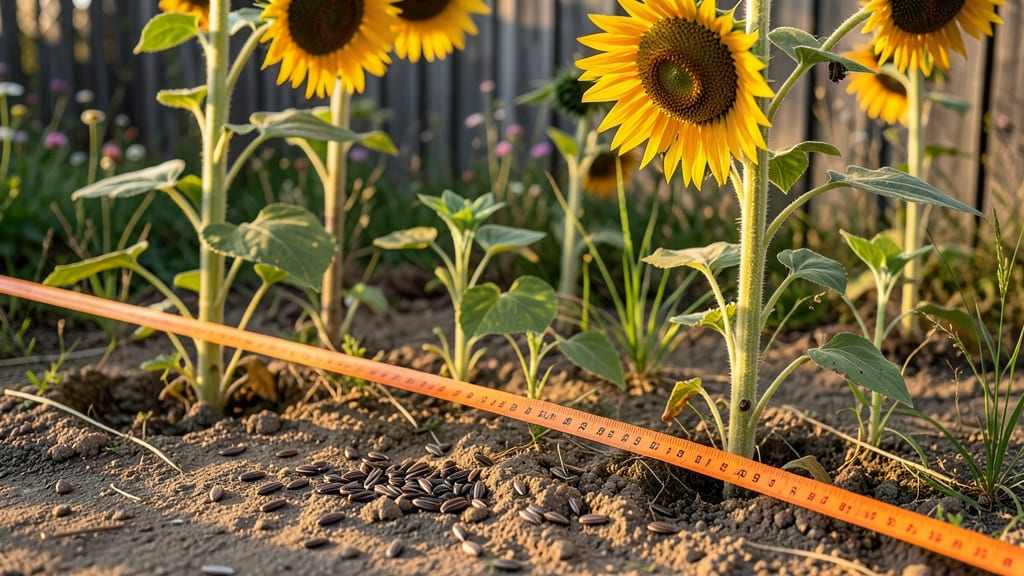
Sunflowers spreading across your garden might seem like a wildflower takeover, but there's a method to their growth—and a way to manage it. These towering beauties 🌻 don't just pop up randomly; their spread depends on seeds, roots, and even how you care for them.
The good news? While some varieties can wander up to 10 feet or more, not all sunflowers are aggressive spreaders. Understanding their natural habits helps you decide whether to embrace their wild side or keep them contained.
Whether you're dealing with volunteer plants or planning your next garden layout, knowing how they spread gives you control.
If you've ever wondered why sunflowers keep appearing where you didn't plant them, it's likely due to their self-seeding nature. But with the right techniques—like spacing, deadheading, or choosing low-spread varieties—you can enjoy their benefits without the chaos.
Let's break down how they spread and how to keep them in check.
From supporting pollinators to adding height to your garden, sunflowers offer plenty of rewards. The key is balancing their natural tendencies with smart gardening practices. Ready to learn how to work with their spread instead of against it?
How far sunflowers spread: understanding their aggressive growth habits
Sunflowers are famous for their towering height and vibrant blooms, but their spreading habits often catch gardeners off guard. Most varieties spread primarily through seed dispersal, with some developing extensive lateral root systems that can reach 6-10 feet from the parent plant.
This aggressive spread is why many gardeners end up with sunflowers popping up where they weren’t planted.
The key to understanding sunflower spread lies in their two main growth mechanisms: their deep taproots and prolific self-seeding behavior. Wild sunflowers, like Helianthus annuus, are particularly notorious for spreading aggressively, while many cultivated varieties have been bred to limit this trait.
However, even domesticated sunflowers can still spread if left unchecked.
Wild sunflowers, such as those found in prairie ecosystems, can spread up to 10 feet or more from their original planting site. These varieties rely on wind to disperse their seeds, which can travel surprising distances.
Even a single sunflower left to go to seed can produce 1,000+ seeds, many of which will germinate in the following season.
Cultivated sunflowers, like those sold in seed packets, are often bred to have shorter stems and fewer seeds, reducing their spread potential. However, if you allow them to flower and set seed, they’ll still spread—just not as aggressively as their wild counterparts.
For example, the popular 'Mammoth' variety can still produce seeds that sprout 5-8 feet away from the parent plant.
One of the most surprising aspects of sunflower spread is how their lateral roots can expand underground. While taproots grow deep (up to 6 feet), some varieties develop shallow, spreading roots that can create new shoots 4-8 feet away.
This is why you might see sunflowers sprouting in unexpected places, even if you didn’t plant them there.
To manage sunflower spread, focus on removing seed heads before they mature. A practice called deadheading involves snipping off the flower heads once they’ve bloomed but before they turn brown.
This prevents seed production and significantly reduces the number of new sunflowers popping up the next year. It’s one of the simplest ways to keep your garden tidy.
Another factor influencing spread is the soil type and moisture levels. Sunflowers thrive in well-draining soil and can spread more aggressively in loose, fertile ground. If your soil is compacted or poor, their spread may be limited naturally.
However, in ideal conditions, even well-behaved varieties can surprise you with their unexpected germination.
If you’re growing sunflowers in a small garden or container, choose dwarf varieties like 'Teddy Bear' or 'Sunspot,' which typically stay under 3 feet tall and spread minimally. These varieties are less likely to overwhelm your space, making them ideal for urban gardens or patios where space is limited.
Understanding how far sunflowers spread isn’t just about containment—it’s also about harnessing their natural behavior. Their aggressive growth makes them excellent pollinator magnets, and their seeds provide food for birds. By managing their spread, you can enjoy their benefits without losing control of your garden.
5 Proven ways to control sunflower spread in your garden
Sunflowers may seem like easygoing plants, but their self-seeding habits can quickly turn your garden into a wildflower jungle. The key to managing their spread lies in proactive strategies that disrupt their natural growth cycle.
Whether you're dealing with volunteer plants or intentional plantings, these methods will help you maintain control without sacrificing beauty.
Sunflowers primarily spread through seed dispersal, where mature heads release seeds that can travel up to 10 feet or more from the parent plant. Their deep taproots also make them resilient, but this doesn’t mean you’re powerless.
With the right techniques, you can enjoy sunflowers while keeping them contained where you want them.
🌻 5 Proven Ways to Control Sunflower Spread
- 1. Strategic Planting Distances: Space sunflowers 12-18 inches apart for dwarf varieties and 2-3 feet apart for standard types. This reduces overcrowding and limits seed spread.
- 2. Mulch Heavily Around Bases: Apply 3-4 inches of mulch (straw or wood chips) to block sunlight from sprouting seeds and suppress weeds.
- 3. Collect and Remove Seeds: Harvest mature seed heads before they release seeds. Store them in a dry place or compost them to prevent unwanted regrowth.
- 4. Use Natural Barriers: Plant low-growing perennials like lavender or thyme around sunflowers to create physical boundaries that deter spread.
- 5. Deadhead Regularly: Remove spent flower heads before seeds mature to stop self-seeding. This is especially effective for annual varieties.
For organic gardeners, mulching and deadheading are the most effective non-toxic methods. These techniques not only control spread but also improve soil health by retaining moisture and reducing weeds. If you prefer chemical options, pre-emergent herbicides can prevent seed germination, but use them sparingly to avoid harming beneficial insects.
Another smart approach is to choose low-spread varieties, such as dwarf sunflowers like 'Teddy Bear' or 'Moulin Rouge,' which stay compact and produce fewer stray seeds. Pairing these with your control methods ensures a tidy garden while still enjoying sunflowers' vibrant colors and pollinator benefits.
Remember, sunflowers are not inherently invasive—their spread is largely self-inflicted through seed dispersal. With these strategies, you can enjoy their towering presence without the chaos. Start with one or two methods this season and observe how your garden responds!