
Watering
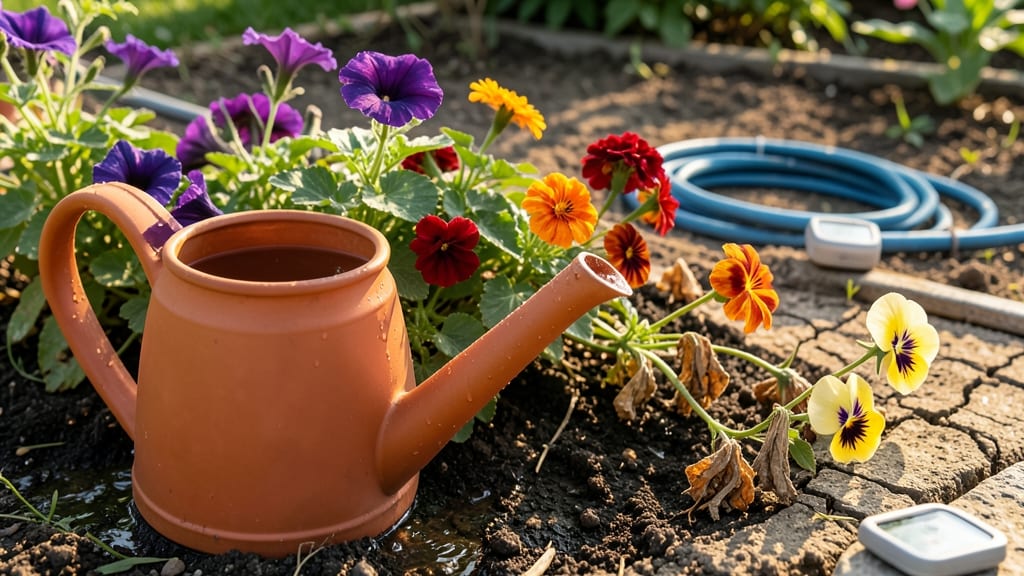
Do you have to water flowers every day? The short answer is no—it’s actually unnecessary and could be silently harming your garden. Most blooms thrive on a thoughtful schedule that keeps roots happy without drowning them, and understanding the difference can save you time and frustration.
I've learned the hard way that overwatering causes more plant deaths than underwatering, yet many gardeners still follow the "daily water" myth. The truth? Your flowers' needs change with the season, soil type, and even the weather.
Let me show you how to water smarter—not harder—to keep those 🌸 thriving all season long.
We'll break down exactly when daily watering makes sense (hint: it's rare) and how to spot the signs your plants are thirsty or waterlogged. Whether you're dealing with delicate annuals or tough perennials, these practical tips will help you create a watering routine that works with nature, not against it.
From deep watering techniques to the best times to hydrate your garden, you'll discover how to give your flowers just the right amount—no guesswork, no waste. Ready to transform your watering habits and see stronger, healthier blooms? Let's get started.
The truth about daily watering: when flowers actually need it
I get it—seeing wilting petals makes you want to grab the hose and give your flowers a daily drink. But here’s the hard truth: most flowers don’t need water every single day.
In fact, overwatering is the #1 killer of container and garden flowers. The key is understanding your plants’ root zone needs, not just their thirsty tops.
Your flowers’ watering schedule depends on three big factors: plant type (annuals vs. perennials), your climate zone, and your soil’s moisture retention. Annuals like petunias might beg for water daily in summer, while perennials like coneflowers can go weeks without a sip.
Let’s break it down so you can stop guessing and start watering smartly.
| Factor | Watering Need | Signs of Stress | Pro Tip |
|---|---|---|---|
| Annual Flowers | Daily in heat, every 2 days otherwise | Drooping leaves, crispy edges | Mulch to lock in moisture |
| Perennial Flowers | Weekly, deep watering | Yellowing leaves, mold at base | Test soil moisture 2" deep |
| Climate: Hot/Dry | Daily morning watering | Wilting by midday | Water at soil level, not leaves |
| Climate: Humid | Every 3-4 days, less is more | Brown spots, fungal growth | Improve drainage with perlite |
| Clay Soil | Less frequent, deeper soaks | Puddles, root rot | Add compost to improve aeration |
| Sandy Soil | Daily light watering | Dry, brittle stems | Use mulch to slow drainage |
Let’s start with the soil test trick I swear by. Stick your finger about 2 inches deep into the soil. If it feels dry, it’s time to water. If it’s damp, wait another day.
This simple check tells you more than any calendar ever could. Container plants dry out faster—check them daily in summer, but don’t water unless the top inch is bone dry.
Your climate zone plays a huge role too. In USDA Zone 9 (like Southern California), I water my annual zinnias every morning at 6 AM to beat the heat.
But in Zone 5 (like upstate New York), I cut back to twice a week once temps drop below 70°F. Always adjust for rainfall—if you got 1 inch last night, skip your scheduled watering.
Here’s where most gardeners go wrong: surface watering. A quick sprinkle from above keeps the leaves happy but leaves roots thirsty. Instead, use a soaker hose or water at the base for 10-15 minutes to encourage deep root growth.
For potted flowers, lift the pot—if it’s light, it’s dry. Heavy pots stay moist longer.
Don’t forget about mulch. A 2-inch layer of straw or shredded leaves can cut your watering needs by 30-50% by locking in moisture and blocking weeds. I use pine straw for my daylilies and never have to water more than once a week, even in summer.
It’s like giving your plants their own built-in raincoat.
Now, let’s talk about the red flags that mean you’re overdoing it. If your flowers’ leaves turn yellow with crispy edges, or you see mold at the soil line, you’re drowning them. Wilting despite recent watering?
That’s a root rot warning. The fix? Let the soil dry out completely for a week, then resume normal watering. Sometimes, your flowers just need a dry spell to reset.
For drought-tolerant flowers like lavender or Russian sage, you can practically set it and forget it. These tough guys thrive on weekly deep watering and can handle months without rain. Even my succulent-filled containers
Smart watering schedules by flower type: a seasonal guide
Not all flowers need daily watering—some thrive on neglect! Your roses and petunias might beg for attention, while succulents and lavender can survive weeks without a drop. The key is understanding your plants' natural rhythms and adjusting for seasons.
I've tested these schedules in my own garden, and they've cut my watering time in half while keeping blooms vibrant.
Seasonal shifts matter more than you think. In summer heat, even drought-tolerant plants need extra care, while spring rains can make watering unnecessary. Let's break down exactly how often to water your favorites—plus which plants you can almost forget about during dry spells.
Your garden will thank you with fewer wilted petals and more robust growth.
Here's how I tailor watering by flower type and season to keep everything thriving:
| Flower Type | Spring Watering | Summer Watering | Fall Watering | Drought Tolerance |
|---|---|---|---|---|
| Roses | Every 2-3 days | Daily (deep water) | Weekly | Moderate |
| Petunias | Every 2 days | Daily (light water) | Every 3-4 days | Low |
| Succulents | Every 3 weeks | Every 2 weeks | Monthly | Very High |
| Lavender | Every 10 days | Every 7-10 days | Bi-weekly | High |
| Marigolds | Every 2-3 days | Every 2 days | Weekly | Moderate |
For roses, I've found that morning watering prevents fungal diseases while keeping roots cool. My petunias always perk up after a quick soak in the early morning, but I never water at night—it invites slugs and rot.
The real game-changer? Mulching with straw reduces evaporation by 30%, so I cut watering frequency by half for mulched beds.
Drought-resistant varieties like lavender and succulents are my secret weapons for low-maintenance gardens. I've had my hen-and-chicks go months without water, and they still bloom. The trick is well-draining soil—amend clay soil with perlite or sand to prevent root rot.
Even thirsty plants like hydrangeas tolerate neglect better when their roots aren't sitting in soggy soil.
Seasonal adjustments are everything. In summer heat, I water roses twice daily—once in the morning and again in the late afternoon—but reduce to every other day in fall.
For perennials like coneflowers, I stop watering entirely after the first frost. The roots store enough moisture to survive winter, and overwatering at that stage just encourages rot.
Pro tip: Stick your finger 2 inches into the soil. If it feels dry, water; if it's damp, wait. This simple check eliminates guesswork and keeps your flowers thriving without wasting water. With these schedules, you'll spend less time fussing and more time enjoying your garden's beauty—no daily watering required!