
Blooming
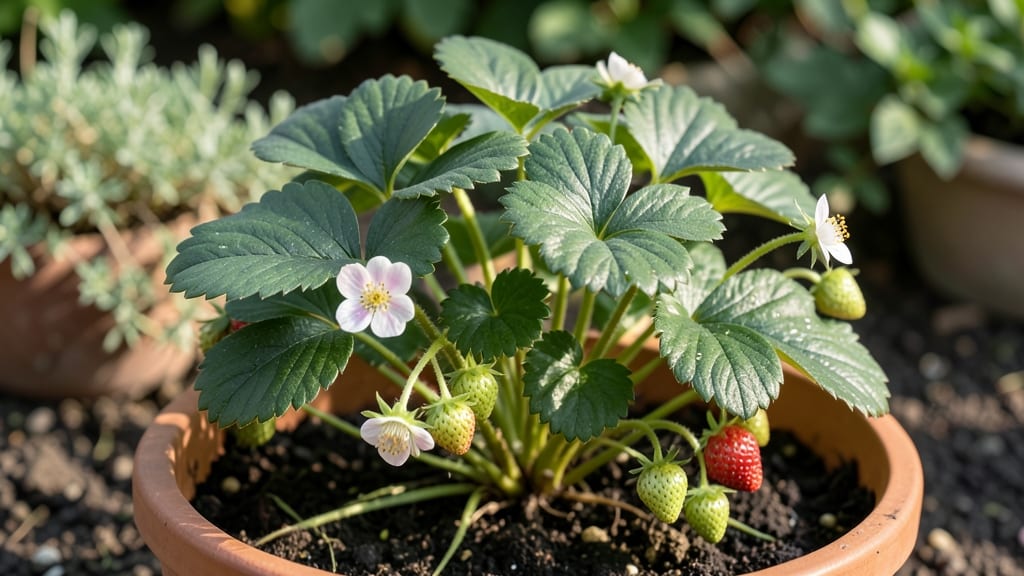
After those delicate strawberry 🍓 flowers bloom in your garden, you’ll start wondering: how long do strawberries take to grow after flowering? The answer isn’t just a simple number—it’s a 4-6 week journey shaped by your plant’s variety, care, and even the weather.
Most gardeners expect a quick turnaround, but rushing the process can mean smaller, less flavorful berries. June-bearing varieties, for example, take the full 6 weeks to ripen, while everbearing types might surprise you with fruit in just 30 days—if conditions are perfect.
The key? Understanding the stages between flowering and harvest so you can give your plants exactly what they need.
From the moment those tiny blossoms appear, your strawberries enter a critical growth phase. Too little water or too much heat can stall development, while proper pollination and consistent care keep things on track.
I’ll break down exactly what to watch for—so you can predict your harvest date like a pro and avoid common mistakes that waste time (and fruit!).
Ready to turn those flowers into a bounty of sweet, ripe strawberries? Let’s dive into the timeline, care tips, and secrets to speeding up the process—without sacrificing quality. Your first taste is closer than you think!


Strawberry growth timeline: flowering to ripe fruit in 4-6 weeks
Once those delicate strawberry flowers appear, you’re just 4-6 weeks away from harvest—but the journey involves distinct stages where timing and care make all the difference. From fruit set to full ripeness, each phase depends on sunlight, temperature, and proper pollination.
Understanding this cycle helps you predict harvest dates and troubleshoot delays.
The transformation starts when white or pale pink flowers open and attract pollinators like bees. Within 24-48 hours, successful pollination leads to tiny green berries—this is your fruit set stage. From here, the real countdown begins, with environmental factors dictating how quickly (or slowly) those berries mature.
During the green fruit phase (weeks 2-3), berries grow fastest—sometimes doubling in size within 7-10 days. This is when temperature matters most: ideal ranges of 60-80°F accelerate growth, while extreme heat or cold can stall development.
For example, June-bearing varieties thrive in cooler spring temperatures, while everbearing types handle summer heat better.
As berries enter the color development phase, their sugar content peaks, and you’ll notice a shift from pale green to pink or red hues. This stage typically takes 1-2 weeks, but sunlight exposure is critical—shady conditions slow down pigment changes and flavor development.
If your plants are in containers, rotate them weekly to ensure even sun exposure.
The final ripening stage is the most exciting—and shortest!—lasting just 5-7 days. Fully ripe strawberries will be deep red, slightly soft to the touch, and release a sweet aroma.
This is when harvest timing becomes crucial: pick them too early, and they’ll ripen off the vine but lose flavor; leave them too long, and they’ll become mushy or attract pests like birds.
Environmental factors like humidity and rainfall also play a role. High humidity can lead to gray mold (Botrytis), while dry conditions may cause berries to split. Mulching with straw or pine needles helps regulate soil moisture and temperature, creating ideal conditions for consistent ripening across your entire harvest.
Pro tip: Track your first flower date and use a garden journal to note variations in ripening times. Over time, you’ll predict harvest windows with precision—whether your strawberries mature in 4 weeks (fast varieties like Albion) or stretch to 6 weeks (slower types like Chandler).
Remember, patience pays off—but so does proactive care! Regularly check for pests like slugs or diseases like powdery mildew, and adjust your watering schedule based on weather forecasts.
With the right conditions, you’ll go from flower to fruit in record time, enjoying a bountiful harvest of sweet, homegrown strawberries.
5 Factors that speed up or slow down strawberry ripening after flowering
Once your strawberry plants bloom, the real work begins—turning those delicate flowers into sweet, ripe fruit. But here’s the catch: what you do (or don’t do) in the next 4-6 weeks can either speed up or stall ripening.
I’ve grown strawberries for years, and I’ve seen how small tweaks—like watering schedules or pollination methods—can shave weeks off your harvest time or leave you waiting months for fruit.
The good news? You’re in control. By focusing on these 5 key factors, you can ensure your strawberries ripen faster, yield more, and taste sweeter.
Whether you’re growing June-bearing varieties (which take the full 6 weeks) or everbearing types (that can ripen in as little as 30 days), understanding these variables will help you predict—and optimize—your harvest date. Let’s break down what makes the difference.
Let’s start with pollination, because this is where most gardeners drop the ball. Strawberries rely on bees—or you—to transfer pollen from flower to flower. If you’re in an urban area with few pollinators, grab a soft paintbrush and gently brush the flowers daily.
I’ve seen ripening time drop by nearly 2 weeks when I hand-pollinate on cloudy days. Even a single missed pollination can leave you with underdeveloped fruit that never ripens.
Next up: soil nutrients. Strawberries are heavy feeders, but they hate being overfed. At flowering, apply a low-nitrogen fertilizer (like 5-10-10) to encourage fruit development over leaf growth. I once over-fertilized my plants with nitrogen, and they produced all leaves and no berries—a classic rookie mistake.
Test your soil first! Aim for a pH of 5.5-6.8 for optimal nutrient uptake.
Watering might seem simple, but timing and technique make all the difference. Strawberries need consistent moisture—not soggy soil, not dry soil. Water deeply in the morning to give roots time to absorb moisture before evening.
During ripening, cut back slightly to prevent cracked fruit, but never let the soil dry out completely. I’ve had strawberries ripen in just 35 days with perfect watering, while others took twice as long when I skipped watering during heatwaves.
Temperature is another wild card. Strawberries thrive in 60-80°F conditions. Below 50°F, growth slows dramatically—sometimes stalling ripening entirely. In my Zone 6a garden, late spring frosts have ruined entire crops.
If you’re in a hot climate, use shade cloth (30-50%) to protect fruit from sunscald, which can turn berries white and mealy. A simple row cover can mean the difference between a 6-week harvest and a 10-week wait.
Finally, don’t overlook your strawberry variety. June-bearing types like Jewel or Chandler take the full 6 weeks to ripen, while everbearing varieties like Seascape or Albion can produce fruit in as little as 30 days.
If you’re impatient, opt for day-neutral varieties—they’ll keep producing all season long. I planted a mix of both last year and harvested for 3 months straight instead of just 2 weeks!