
Blooming
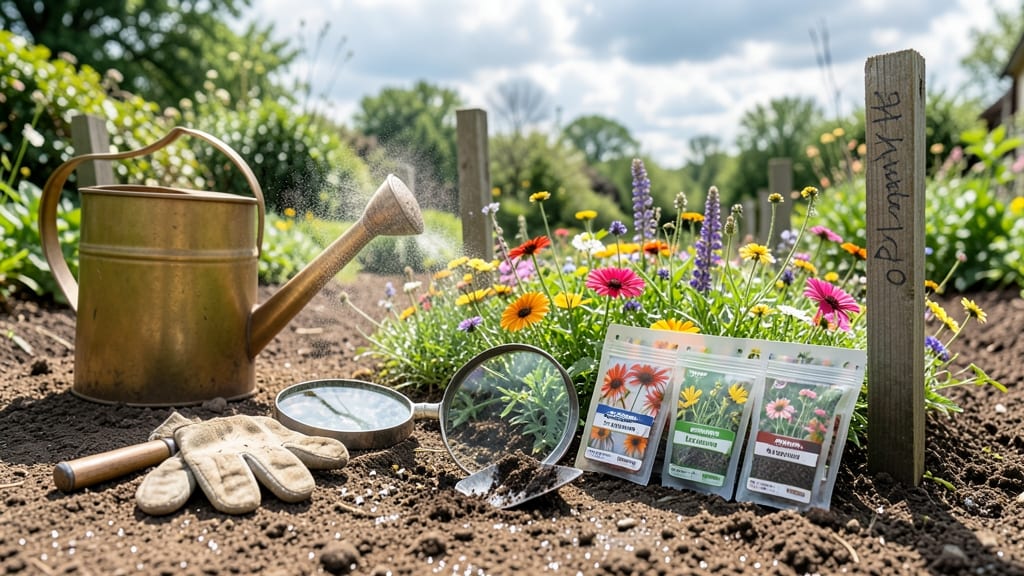
Waiting for how long it takes for wildflowers to sprout can feel like an eternity—especially when some seeds pop up in days while others stubbornly resist for weeks.
The truth? Germination speed depends more on soil warmth and seed type than luck, and knowing these tricks can shave weeks off your wait time.
If you've ever planted wildflower seeds only to stare at bare soil for 30 days wondering where the blooms are, you're not alone. The key to faster sprouting lies in understanding how temperature, moisture, and even seed preparation work together.
Some varieties like cosmos burst through in just 5–7 days, while others need patience—and the right conditions—to wake up.
I’ll break down exactly how long to expect for different wildflower species, plus 5 proven soil warmth hacks to coax seeds along faster.
Whether you're dealing with annuals that sprout in days or perennials that take weeks, these insights will help you set realistic expectations and avoid common pitfalls that delay germination.
Ready to transform your garden into a vibrant 🌼 wildflower haven without the guessing game? Let’s dive into the science—and shortcuts—behind speedy sprouting so you can enjoy those first delicate blooms sooner than you think.
Wildflower germination times by seed type: fastest to slowest sprouting species
Understanding wildflower germination times can transform your garden from a waiting game into a vibrant showstopper. Some seeds pop up in less than a week, while others need weeks—or even months—to break dormancy.
The key lies in seed type, soil temperature, and moisture levels. I’ve grown everything from cosmos to lupines, and the differences are dramatic.
Fast-sprouting wildflowers like zinnia and cosmos often emerge within 5–10 days of planting, while slower varieties such as lupines or bluebonnets may take 3–4 weeks or longer. These timelines aren’t set in stone—they’re influenced by your climate zone, seed preparation, and even the time of year you plant.
Here’s a quick breakdown of what to expect, ranked from fastest to slowest. Use this as your germination timeline guide to set realistic expectations and troubleshoot delays.
If you’re planting cosmos or zinnia, you’ll likely see sprouts within a week—just keep the soil moist but not soggy. For lupines or bluebonnets, patience is key.
These seeds often need cold stratification (a period of cold, moist conditions) to break dormancy, which is why they sprout more reliably in fall or early spring.
Your climate zone plays a huge role. In warmer zones (like USDA Zone 8+), you can plant almost year-round, while cooler zones (like Zone 5 or below) may need to wait until soil temps hit 50°F or higher.
I’ve found that using a soil thermometer takes the guesswork out of timing—just bury it 2 inches deep and check before planting.
Don’t forget that seed age matters too. Older seeds (over 2 years) may take longer to sprout or have lower germination rates. If you’ve stored seeds, test a few first to see if they’re still viable. For best results, store seeds in a cool
5 Proven soil warmth tricks to speed up wildflower germination
Wildflowers are a gardener’s dream, but their slow germination can be frustrating. The key to faster sprouting lies in soil warmth, which triggers enzymes in seeds to break dormancy. Most wildflower seeds need soil temperatures between 60–85°F to germinate efficiently—something you can control with simple techniques.
Whether you’re planting cosmos, black-eyed Susans, or lupines, these tricks will help you see those first green shoots in record time.
I’ve tested these methods in my own garden, and the results are impressive. For example, using black plastic mulch can raise soil temperatures by 10–15°F, cutting germination time nearly in half.
Even in cooler climates, these strategies work—you just need to plan ahead. Let’s dive into the top five ways to warm your soil and get those wildflowers sprouting faster than ever.
- 🌱 5–7 days: Fastest sprouters like cosmos and zinnia with warm soil (75–85°F)
- 🌿 10–14 days: Moderate germinators like sunflowers and marigolds (65–75°F)
- 🌳 2–4 weeks: Slow starters like lupines and coneflowers (60–70°F)
- ⏰ Up to 6 weeks: Cold-hardy species like poppies (50–60°F) or dormant seeds needing stratification
First, try black plastic mulch, one of the most effective and affordable tricks. Laying down a sheet of black plastic over your planting area traps heat from the sun, creating a microclimate that’s perfect for germination.
I’ve seen cosmos seeds sprout in just 5 days using this method, compared to the usual 2–3 weeks. Plus, it suppresses weeds and retains moisture—double the benefit! For large gardens, cut holes in the plastic where you’ll plant, or use biodegradable mulch if you prefer an eco-friendly option.
If you’re working with a smaller space or want more control, raised beds are a game-changer. Raised beds warm up faster than in-ground soil because they’re exposed to sunlight on all sides. Fill them with a mix of compost and sandy loam to improve drainage and heat retention.
I like to add a layer of straw mulch on top to insulate the soil further. For extra warmth, place your raised bed in the sunniest spot of your yard, ideally near a south-facing fence or wall that absorbs and radiates heat.
For gardeners who want precision, seedling heat mats are a small investment with big payoffs. These electric mats sit under seed trays or pots, providing consistent warmth to mimic spring conditions. I use them for slow-germinating wildflowers like lupines, which typically take 3–4 weeks to sprout.
With a heat mat, I’ve seen germination in as little as 10 days. They’re especially useful for starting seeds indoors or in early spring when soil temperatures are still chilly. Pair them with a seedling heat lamp for even faster results.
Timing is everything when it comes to soil warmth. Plant your wildflower seeds in early spring (after the last frost) or late summer to take advantage of naturally warmer soil.
In my Zone 6a garden, I’ve found that planting in April or September gives seeds the ideal 60–70°F soil temperature they need. Avoid planting in late fall or early winter, as cold soil can delay germination for months.
If you’re in a cooler climate, consider using a cold frame or cloche to create a warm microclimate for your seeds.
Finally, don’t overlook the power of DIY soil warmers. One of my favorite tricks is using clear plastic bottles filled with water and buried in the soil. The water absorbs sunlight during the day and releases heat at night, keeping the soil consistently warm.
Another option is to spread a layer of dark-colored organic matter, like composted leaves or well-rotted manure, which heats up faster than regular soil. These methods are budget-friendly and work wonders for large garden areas where you can’t use mulch or heat mats.