
Flowers
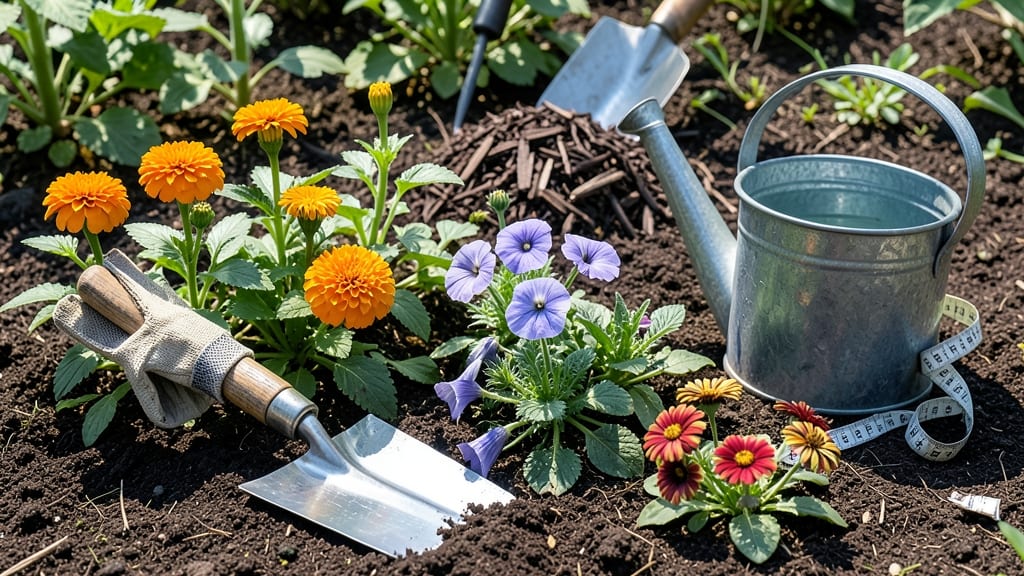
Planting flowers in the ground isn't just about digging a hole—it's the foundation for a garden that bursts with color and thrives for years.
Whether you're a first-time gardener or looking to refresh your blooms, getting the spacing, depth, and soil just right makes all the difference between wilted dreams and a showstopping display.
I’ve learned the hard way that proper planting isn’t just about sticking a seedling in the dirt—it’s about giving your 🌸 the perfect start. Too deep, and roots suffocate; too shallow, and they dry out.
Too crowded, and they compete for nutrients. But when you nail these basics, your flowers reward you with vibrant blooms that last all season.
In this guide, I’ll walk you through the step-by-step process, from picking the right spot to amending your soil and spacing plants for maximum growth. You’ll also discover the best flowers for your climate, common mistakes to avoid, and how to keep them thriving once they’re in the ground.
Ready to turn your garden into a blooming paradise? Let’s get started—your future flowers are counting on you!

Optimal flower planting techniques: spacing, depth & soil preparation for healthy growth
Planting flowers in the ground isn't just about digging a hole and dropping in a seedling—it's an art that determines whether your blooms thrive or struggle. The right spacing, proper depth, and prepared soil create the foundation for vibrant, long-lasting flowers.
I've learned through years of gardening that these three factors often make the difference between a garden that wows and one that underwhelms.
Let's start with soil preparation, the unsung hero of flower planting. Healthy soil means healthy roots, which means stronger stems and more abundant blooms. Most flowers prefer well-draining soil with a pH between 6.0 and 7.0, though some like azaleas and hydrangeas thrive in acidic conditions.
Before planting, I always test my soil and amend it with compost or organic matter to improve its structure and fertility.
Now for the spacing rules that prevent overcrowding. Too close together, and your flowers compete for nutrients and sunlight, leading to weak growth. Too far apart, and you waste space in your garden beds.
As a general rule, I space small flowers like marigolds 6-12 inches apart, medium flowers like petunias 12-18 inches apart, and large flowers like sunflowers 18-24 inches apart. Always check the plant tag for specific recommendations.
Here's where many gardeners go wrong: planting depth. The rule of thumb is to plant at the same depth the flower was growing in its container. For most flowers, this means the top of the root ball should be level with the soil surface.
However, some flowers like lupines and snapdragons need to be planted slightly deeper, while shallow-rooted flowers like pansies should sit just below the soil line. Always follow the plant's natural growth habit.
| Flower Type | Spacing (inches) | Planting Depth | Soil pH | Sunlight Needs |
|---|---|---|---|---|
| Marigolds | 6-12 | Root ball level | 6.0-7.5 | Full sun |
| Petunias | 12-18 | Root ball level | 6.0-7.0 | Full sun |
| Sunflowers | 18-24 | 1-2 inches deep | 6.0-7.5 | Full sun |
| Lavender | 12-24 | Root ball level | 6.0-8.0 | Full sun |
| Pansies | 8-12 | Just below soil | 5.5-6.5 | Partial shade |
When preparing your planting site, I always start by removing weeds and debris, then loosen the soil with a garden fork to improve aeration. For heavy clay soil, I mix in sand or perlite to improve drainage, while sandy soil benefits from compost or peat moss to retain moisture.
A layer of mulch after planting helps conserve soil moisture and suppress weeds, which is especially important during hot summer months.
One technique I swear by is watering before and after planting. Before planting, I give the soil a thorough soaking to help the roots settle into moist soil. After planting, I water deeply to eliminate air pockets and encourage root contact with the soil.
This simple step reduces transplant shock and helps your flowers establish faster. Always water at the base of the plant rather than overhead to prevent fungal diseases.
Don't forget
Best flower types by planting season & climate zones for year-round color
Creating a garden that blooms beautifully all year requires strategic planning based on your USDA hardiness zone and planting season. Annuals like marigolds and petunias provide quick color, while perennials like lavender and coneflowers return year after year with minimal effort.
Understanding these distinctions helps you maximize your garden's potential without overcrowding or wasted resources.
For spring planting (zones 4-8), focus on cool-season annuals like pansies and snapdragons that thrive in 50-65°F soil. In warmer zones (9-11), start with heat-tolerant varieties such as portulaca or zinnia to avoid transplant shock.
Each season offers unique opportunities, so let's dive into the best flowers for your climate and timeline.
In USDA zones 3-5, prioritize hardy perennials like daylilies and black-eyed Susans, which tolerate -20°F to -10°F temperatures. For zones 6-8, mix annuals (e.g., cosmos) with perennials (e.g., cone flowers) to extend your bloom season.
Zones 9-11 can enjoy tropical annuals like hibiscus and bird of paradise year-round with proper winter care.
Don't forget to rotate your plantings seasonally. For example, replace spring tulips (which fade by summer) with sunflowers or marigolds for mid-year color. This approach ensures your garden remains vibrant without requiring constant upkeep.
Always check each plant's mature size to avoid overcrowding—petunias need 12 inches of space, while sunflowers require 2-3 feet.
For container gardens, opt for compact varieties like bacopa or lobelia, which thrive in 6-inch pots with consistent moisture. In-ground plantings benefit from mulching to retain soil moisture and suppress weeds, especially in dry climates.
With the right seasonal mix, your garden can burst with color from early spring through late fall.
Pro tip: Keep a planting calendar to track bloom times and succession plant for non-stop color. Start with slow-growing perennials in early spring, then add fast-blooming annuals every 4-6 weeks to fill gaps. This method keeps your garden looking fresh and intentional all season long.