
Flowers
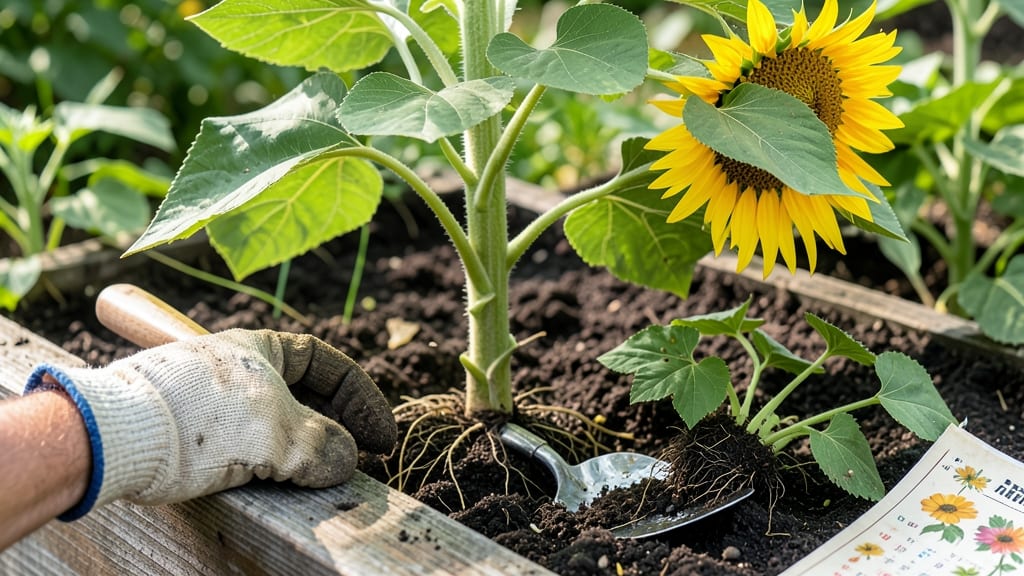
If you're dreaming of towering sunflowers 🌻 lighting up your Kentucky garden this summer, timing your planting right is the secret to success. Kentucky's unpredictable springs—with frost lingering into May in some areas—can turn eager gardeners into impatient ones if they plant too early.
Most Kentucky gardeners swear by waiting until the soil warms to at least 60°F, which typically means mid-April in Southern zones like Bowling Green but closer to late April or early May in Northern areas like Lexington.
That window ensures your sunflower seeds sprout quickly instead of sitting in cold, damp soil.
But here's the kicker: even if your last frost date has passed, soil temperature matters more. I’ll show you how to test it yourself and adjust your planting schedule for bigger blooms—no guesswork needed.
Whether you're growing short-season varieties for quick color or giant sunflowers for summer height, getting the timing right means the difference between a thriving garden and a sad, stunted disappointment. Let’s make sure yours wins.
Kentucky sunflower planting dates by hardiness Zone (6a-7b)
Kentucky’s USDA Zones 6a-7b create distinct planting windows for sunflowers, where timing can make or break your summer blooms. In Zone 6a (Northern KY), average last frost dates hover around April 15-20, while Zone 7b (Southern KY) typically sees frost-free conditions by March 20-April 5.
However, soil temperature—not frost dates—dictates the real deadline.
Sunflower seeds need soil at least 60°F to germinate reliably. In cooler Northern zones, this often means waiting until mid-to-late April, while Southern zones can plant as early as early April.
I’ve seen firsthand how planting too soon leads to seeds rotting in cold soil, while waiting too long risks missing the 90-day bloom window for fall harvests.
Here’s the key: Northern KY gardeners (Lexington, Louisville) should aim for April 15-May 1, while Southern KY (Bowling Green) can start March 20-April 15. These ranges account for both frost risk and soil warmth, giving you the best chance for healthy, towering sunflowers.
🌻
For fast-growing varieties (like 'Moulin Rouge' at 60 days), Northern KY gardeners can push the envelope by planting early April if soil is warm enough. But for giant varieties (like 'Russian Giant' at 120 days), Southern zones have the advantage of a longer growing season.
I’ve grown both in my Zone 6b garden, and the difference in bloom time is dramatic.
Pro tip: If you’re unsure about soil warmth, use a soil thermometer (or even a meat thermometer!) to check depth. Sunflowers’ roots need warmth at 2-3 inches deep—surface temps can be misleading. I’ve had seeds sprout only to wilt when deeper soil stayed cold.
Another critical factor is daylength. Sunflowers respond to longer daylight hours, so planting in late April gives them the 14+ hours of light needed for robust growth. This is why June 1 is the absolute latest for Zone 6a—any later, and you’ll miss the bloom window entirely.
🌿
Don’t forget about succession planting for continuous blooms. In Southern zones, you can plant every 2 weeks from March through June, while Northern zones should stick to 2-3 plantings max.
I’ve created a sunflower "staircase" in my garden by staggering plantings—each new batch blooms just as the last one fades, extending the show from July through October.
Finally, account for microclimates. A sunny, south-facing bed warms up faster than a shady spot. My raised beds hit 60°F a full week earlier than the in-ground soil, letting
How to test soil warmth for sunflower success in Kentucky
Sunflowers thrive when planted in warm soil, ideally at least 60°F. In Kentucky, this means waiting for the right conditions—especially in Northern zones where frosts can linger. I’ve learned the hard way that rushing into planting can leave you with stunted seedlings or worse, no germination at all.
Most gardeners rely on last frost dates, but soil temperature is a better indicator. A soil thermometer is your best friend here, but even without one, you can use simple tricks to gauge readiness. Let’s break down how to test soil warmth accurately and avoid common Kentucky timing mistakes.
⚠️ callout-warning ⚠️
First, grab a soil thermometer (or borrow one from a neighbor). Insert it 1 inch deep into moist soil, away from direct sunlight. Read the temperature in the morning—soil cools overnight, so this gives the most accurate reading.
If it’s below 60°F, wait a few more days. In Southern Kentucky, this might be mid-April, while Northern Kentucky often needs to wait until late April or early May.
No thermometer? No problem. Try the hand test: Press your hand into the soil. If it feels cool but not freezing, it’s likely ready. Another trick is the potato test—bury a raw potato for 24 hours.
If it sprouts, your soil is warm enough. These methods aren’t perfect, but they’re better than guessing.
Adjust your planting time based on your sunflower variety. Fast-maturing varieties (like ‘Teddy Bear’) can handle slightly cooler soil, while tall varieties (like ‘Mammoth’) need warmer conditions to grow strong stems.
If your soil stays cool past mid-May, consider using black plastic mulch to warm it up faster—it can raise soil temperature by 5-10°F.
Remember, sunflowers are hardy once sprouted, but they won’t tolerate cold soil. By testing warmth and adjusting your schedule, you’ll give your sunflowers the best start for vibrant blooms all summer long. Happy planting! 🌻