
Flowers
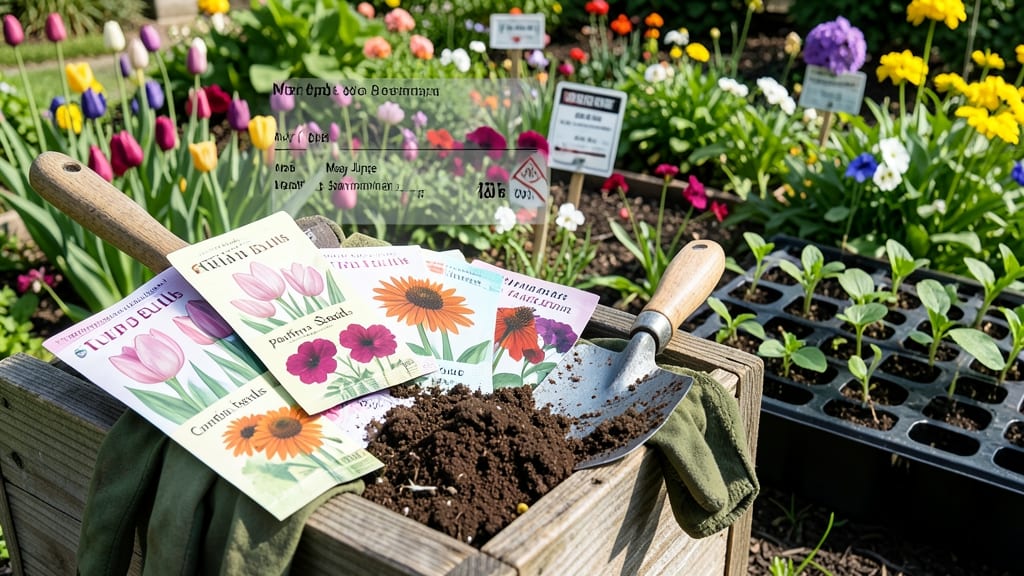
Planting flowers in Michigan at the wrong time means risking frost damage before your blooms even get a chance to shine—especially in USDA Zones 5a-6b, where late frosts can linger well into May.
You’ve probably heard the general advice to wait until after the last frost, but Michigan’s unpredictable spring weather makes that timeline trickier than it seems. April 15 is often the magic date for most regions, but your exact window depends on whether you’re in Detroit, the Upper Peninsula, or somewhere in between.
In this guide, I’ll break down the exact planting windows for spring and fall, plus how to spot those sneaky late frosts that can turn your garden into an icy graveyard for petals. Let’s get those 🌸 thriving—without the frostbite!
You’ll also discover which flowers handle Michigan’s short season best, how to protect tender blooms, and when to start fall planting for next year’s early color. No more guesswork—just a foolproof schedule tailored to your corner of the Mitten State.
Michigan flower planting calendar: frost dates and last-freeze averages by region
Michigan’s USDA Zones 5a-6b create a delicate balance for flower gardeners. The last average frost date can vary by 10-14 days between southern cities like Detroit and northern regions like the Upper Peninsula.
Getting these dates wrong means the difference between vibrant blooms and frost-nipped failures—so let’s break it down by region to plant with confidence.
I’ve spent years tracking Michigan’s frost patterns and consulting Michigan State University’s frost data. The key is understanding your microclimate: a south-facing slope warms faster than a low-lying area, and urban heat islands (like Detroit) can push back frost dates by 3-5 days.
Always verify with the MSU Enviro-Weather frost tracker before planting heat-sensitive varieties like petunias or geraniums.
Here’s your region-specific planting timeline, including hardiness zone variations and adjustment tips for microclimates:
For fall planting, aim for September 1-October 15—but stop 6 weeks before your first frost (typically mid-October in southern Michigan, early October in the UP). Bulbs like tulips can handle cooler temps, while annuals like marigolds need warmer soil.
Use a soil thermometer to confirm 50°F+ soil temps before planting heat-loving flowers.
Pro tip: Hardy annuals like pansies and snapdragons can tolerate light frosts (down to 25°F), making them ideal for early spring or late fall plantings. For tender perennials (e.g., lavender or salvia), wait until after Memorial Day in most regions to avoid surprise frosts.
I’ve lost count of how many geraniums I’ve had nipped in early May—don’t make that mistake!
Michigan’s frost-free season averages 140-180 days, but late-spring frosts (after April 15) can still occur. Sign up for MSU’s Enviro-Weather alerts to get real-time frost warnings. If you’re in Zone 5a, consider using row covers for 3-4 weeks after planting to create a 5°F warmer microclimate.
Remember: Soil temperature matters more than air temperature. A 50°F soil is ideal for most flowers, while 60°F+ speeds up germination. Use a soil thermometer (only $10!) to avoid planting too early.
I once saw zinnia seeds rot because I planted them when the air was warm but the soil was still 45°F—a lesson learned the hard way!
For container gardening, you can push planting dates 1-2 weeks earlier since pots warm faster. However, move containers indoors or use frost cloths if nighttime temps drop below 35°F.
I’ve successfully grown petunias in containers through early June in Detroit by using black plastic mulch to raise soil temps by 5-10°F.
Finally, track your own frost dates for 3 years to build a local planting calendar. Michigan’s climate shifts yearly—what worked in 2
Best flowers to plant in Michigan by season: cool-weather vs. heat-loving varieties
Michigan’s short growing season demands smart choices—planting the wrong flowers at the wrong time means missing out on months of color. The key is matching cool-season lovers with early spring/fall windows and heat-loving varieties with summer’s warmth.
I’ve tested these varieties in my own Zone 5b garden, and they consistently deliver blooms when others fail.
For spring planting, focus on hardy annuals and perennials that tolerate light frost. These are your early-season stars that bloom before summer heat arrives. In contrast, fall planting lets you sneak in late-season bloomers that thrive in cooler temps—perfect for extending your garden’s life until frost.
Here’s my battle-tested list of Michigan-proven flowers, organized by planting window and temperature preference:
- Pansies & Violas: 🌡️ 40-75°F thrivers—bloom from spring until frost. 💡 Pro Tip: Deadhead to encourage nonstop color.
- Sweet Alyssum: 🌿 Drought-tolerant annual that self-seeds for early spring blooms. 🌱 Plant 4-6 weeks before last frost.
- Calendula: 🌼 Edible & medicinal—handles light frost and repels pests. 🌱 Direct sow in spring or fall.
- Chrysanthemums: 🌸 Fall superstars—plant August-September for October-November blooms.
- Dianthus: 🌡️ 50-80°F range—perfect for late spring containers. ✂️ Prune spent blooms for rebloom.
- Coneflowers (Echinacea): 🌞 Full sun perennials that 🌿 thrive in 75-90°F. 💧 Water deeply weekly once established.
- Black-Eyed Susans: 🌻 Drought-resistant and 🐝 pollinator magnets. 🌱 Divide every 3-4 years to prevent overcrowding.
- Marigolds: 🌡️ 70-95°F powerhouses that 🌿 repel nematodes. 🌱 Sow after last frost for summer-long blooms.
- Zinnias: 🌸 Cut-flower kings—bloom in 6-8 weeks from seed. 🌱 Start indoors 4-6 weeks before last frost.
- Lantana: 🌿 Heat-proof shrub with 🌸 nonstop blooms. ✂️ Prune to shape and encourage bushiness.
My top 3 perennials for Michigan’s climate are coneflowers, black-eyed Susans, and daylilies—they return year after year with minimal care. For annuals, I prioritize pansies in spring and zinnias in summer to maximize seasonal interest.
Pro move: Pair cool-season pansies with heat-loving zinnias in the same bed. As the pansies fade in summer, the zinnias take over, creating a seamless bloom transition. This succession planting trick works like magic in my garden.
Remember: Michigan’s first frost typically hits by October 15, so plan your fall planting between September 1-October 1 for bulbs like tulips and daffodils. These will reward you with early spring color before summer’s heat arrives.