
Flowers
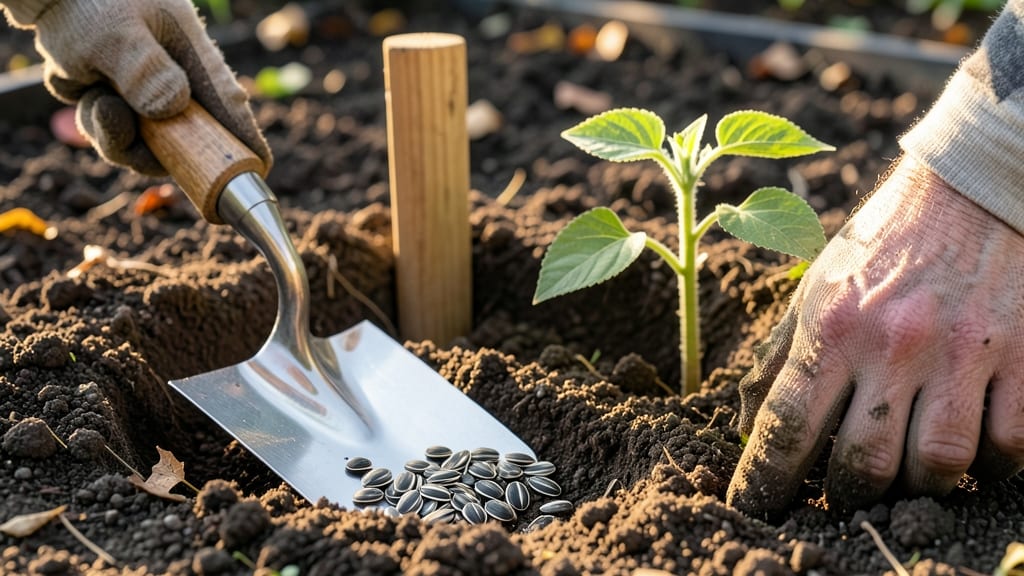
Planting sunflowers 🌻 is easier than you think—and the right spacing and depth tricks can turn your garden into a towering display of golden blooms. Whether you're a beginner or looking to maximize growth, these simple steps will help you grow sunflowers that reach their full potential.
Sunflowers thrive in USDA Zone 6a when planted in spring (April-May), after the last frost. The key to their success lies in proper soil prep and seed placement—too shallow, and they won’t root; too crowded, and they’ll fight for sunlight.
I’ll show you exactly how to get it right for stronger, taller plants.
From choosing the perfect spot to mastering watering schedules, this guide covers everything you need to know. You’ll learn the ideal planting depth (1-2 inches) and spacing (12-24 inches apart) to avoid common pitfalls like weak stems or poor germination.
Ready to grow sunflowers that stand out? Let’s dive into the step-by-step process—so you can enjoy those cheerful faces all summer long.

Perfect sunflower planting depth and spacing for maximum growth
Sunflowers are one of the easiest flowers to grow, but their planting depth and spacing make all the difference in achieving those towering blooms you dream of. Too shallow or too crowded, and your sunflowers will struggle—too deep or too far apart, and you’ll waste space.
The secret lies in getting these two factors just right, especially when dealing with dwarf varieties (2-4 ft) versus giant sunflowers (up to 16 ft). Let’s dive into the specifics so you can plant with confidence!
Most sunflower seeds should be planted at a depth of 1-2 inches in well-draining soil. This depth ensures roots anchor properly without rotting from excess moisture. For large varieties, like Mammoth or Russian Giant, aim for the deeper end (2 inches) to support their massive stems.
Smaller varieties, like Teddy Bear or Sunspot, thrive at the shallower end (1 inch). Planting too deep can delay germination, while planting too shallow risks exposing seeds to drying out or pests.
Spacing is where many gardeners trip up. Sunflowers need room to stretch their roots and reach their full height. For dwarf varieties, space plants 12-18 inches apart in rows that are 18-24 inches apart. This gives them enough elbow room without overcrowding.
For standard and giant varieties, increase spacing to 24 inches apart in rows that are 36-48 inches apart. This prevents competition for nutrients and sunlight, allowing each plant to grow its best.
Here’s a quick reference to help you visualize the perfect setup for your sunflowers:
| Sunflower Type | Planting Depth | Spacing (inches) | Row Spacing (inches) | Mature Height |
|---|---|---|---|---|
| Dwarf Varieties (e.g., Teddy Bear, Sunspot) | 1 inch | 12-18 inches | 18-24 inches | 2-4 ft |
| Semi-Dwarf Varieties (e.g., Autumn Beauty, ProCut) | 1-2 inches | 18-24 inches | 24-30 inches | 5-8 ft |
| Standard Varieties (e.g., Classic Lemon Queen) | 2 inches | 24 inches | 36-48 inches | 8-12 ft |
| Giant Varieties (e.g., Mammoth, Russian Giant) | 2 inches | 24-36 inches | 48-60 inches | 12-16 ft |
If you’re growing sunflowers in containers, choose large pots (at least 12 inches wide and deep) for dwarf varieties and 18-24 inches for larger types. Container-grown sunflowers need extra care to avoid root binding, so use well-draining potting mix and water consistently.
Just remember: one plant per container is ideal to prevent overcrowding.
Another pro tip: thin your seedlings once they sprout to maintain proper spacing. If you planted seeds too closely, gently remove weaker seedlings, leaving only the strongest one per spot.
This might seem harsh, but it ensures your remaining sunflowers get all the nutrients and sunlight they need to grow straight and tall. Mulch around the base with straw or shredded leaves to retain moisture and suppress weeds, which can compete with your sunflowers for resources.
For giant sunflowers, consider staking or using cages to provide support as they grow. These varieties can get top-heavy, especially in windy conditions.
Plant a support stake (3-4 feet tall) next to each seed at planting time, or use a cage made from wire or bamboo to keep stems upright. This extra support helps prevent lodging, where stems bend or break under their own weight.
Timing your planting is also key. In most climates, plant sunflower seeds after the last frost when soil temperatures reach at least 50°F (10°C). For early blooms, start seeds indoors 4-6 weeks before the last frost, then transplant seedlings outdoors once the soil is warm.
If you’re in a hot, dry climate, consider planting in early spring or late summer to avoid the peak heat, which can stress young plants.
Finally, don’t forget that sunflowers are heavy feeders. Before planting, mix compost or well-rotted manure into the soil to provide essential nutrients. During the growing season, feed your sunflowers with a balanced fertilizer (10-10-10) every 4-6 weeks to encourage strong stems and vibrant blooms.
Avoid over-fertilizing, though—too much nitrogen can lead to lush foliage but fewer flowers.
With the right planting depth and spacing, your sunflowers will reward you with stunning blooms and maybe even a few seeds for next year. Happy planting—your future sunflower giants are waiting to shine! 🌻
Step-by-step sunflower planting process for beginners
Sunflowers are one of the easiest flowers to grow, but their success starts with the right planting process. I’ve planted hundreds of sunflowers, and the biggest mistakes beginners make are shallow planting or ignoring soil prep.
Let’s fix that with a foolproof method that guarantees strong, healthy plants from day one.
Before you even touch your seeds, focus on soil preparation. Sunflowers love well-draining soil rich in organic matter. Work in 2-3 inches of compost or aged manure before planting to give your seeds the nutrients they crave.
If your soil is heavy clay, mix in sand or perlite to improve drainage—sunflowers hate soggy roots.
How to Plant Sunflowers: 7 Simple Steps
- 1 Choose the Right Spot: Pick a location with full sun (6+ hours daily). Sunflowers wilt in shade, so avoid spots near tall trees or buildings that cast shadows.
- 2 Prepare the Soil: Loosen soil to a depth of 12 inches with a garden fork. Remove rocks and weeds, then mix in compost or fertilizer (10-10-10 ratio works well).
- 3 Plant Seeds at the Right Depth: Drop seeds 1 inch deep (about the width of your pinky finger). Planting too shallow causes weak roots, while too deep delays germination.
- 4 Space Seeds Properly: For dwarf varieties, space seeds 12 inches apart. For standard/giant sunflowers, give them 24 inches of space to prevent overcrowding and ensure strong stems.
- 5 Water Gently After Planting: Use a fine mist or watering can to avoid displacing seeds. Water 1 inch per week (more in hot climates) to keep soil moist but not soggy.
- 6 Thin Seedlings if Needed: Once sprouts appear, thin to 1 plant per spot if overcrowded. Use scissors to snip weak seedlings at soil level—this reduces competition for nutrients.
- 7 Monitor Sunlight and Water: Sunflowers need full sun daily. If they lean (a sign of light deprivation), transplant to a sunnier spot. Water at the base of the plant in the morning to prevent fungal diseases.
One of my biggest sunflower planting mistakes was ignoring the soil’s drainage. Last year, I planted in heavy clay, and my seeds rotted before sprouting. Since then, I’ve sworn by amending soil with compost and perlite—it’s made all the difference.
Also, avoid planting in windy areas; young sunflowers can topple over before they establish strong roots.
After planting, watch for seedling emergence in 7-14 days. If germination takes longer than two weeks, the soil may be too cold or dry. Once sprouts appear, keep the area weed-free—sunflowers compete poorly with invasive plants.
Mulch around the base with straw or wood chips to retain moisture and suppress weeds naturally.
With these steps, your sunflowers will grow taller and stronger than ever. The key is patience and consistency—give them the right start, and they’ll reward you with those iconic golden faces all summer long. Happy planting! 🌻