
Blooming
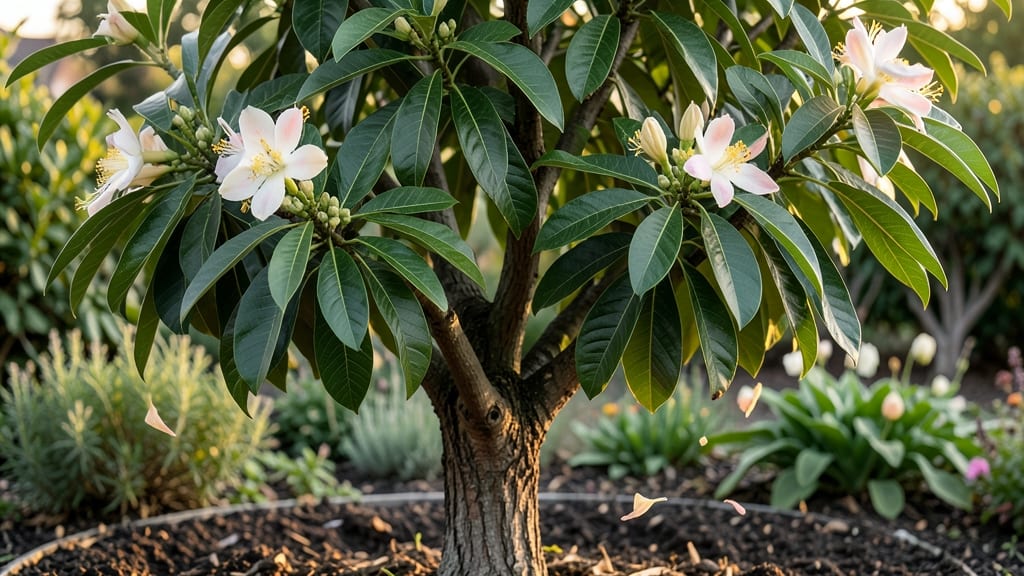
Understanding the mango tree flowering stages is like unlocking the secret to a bountiful harvest—because those tiny blooms hold the promise of sweet, juicy fruit 🥭. Whether you're a seasoned grower or just starting with your tropical beauty, knowing what to expect at each phase makes all the difference.
From the first signs of bud formation to the critical moments of pollination, each stage depends on just the right balance of warmth, sunlight, and care.
In General (Tropical/Subtropical Regions), where mango trees thrive in USDA Zones 10-11, even small details—like temperature shifts or soil moisture—can influence whether those delicate flowers turn into fruit.
I’ve seen firsthand how a little extra attention during these stages can transform a struggling tree into a fruit-bearing powerhouse. In this guide, I’ll walk you through every phase, from pre-flowering prep to fruit set, so you can troubleshoot challenges and optimize your tree’s potential.
Ready to turn those blooms into a harvest? Let’s dive into what your mango tree needs at each step to ensure success.
The 5 stages of mango tree flowering: from buds to blooms
Understanding the flowering stages of your mango tree is like unlocking the secret to tropical fruit success. Each phase—from tiny buds to ripe fruit—depends on precise environmental cues.
I’ve watched my own mango tree transform through these stages, and the difference between a bountiful harvest and dropping buds often comes down to timing and care during these critical moments.
Mango trees typically bloom in late winter or early spring, but varieties in warmer climates may flower year-round. The process unfolds over several weeks, with each stage offering clues about your tree’s health.
For example, panicle emergence signals the shift from vegetative growth to reproductive mode, while fruit set reveals whether pollination was successful. Let’s break down what to expect at each step.
🌱 Visual Guide: Below is a summary of the 5 flowering stages, including key identifiers and environmental needs to optimize each phase.
The pre-flowering stage is your first opportunity to set the stage for success. During this phase, your mango tree shifts from producing leaves to forming flower buds in the leaf axils. This transition is heavily influenced by temperature fluctuations—ideal conditions hover around 60–75°F during the day and cooler nights.
I’ve found that trees in USDA Zones 10–11 (or warmer microclimates) thrive here, while those in Zone 9b may need protection from late frosts.
Pay close attention to your tree’s fertilization schedule during pre-flowering. A balanced NPK ratio (6-6-6 or 8-3-9) supports both root and bud development. Over-fertilizing with nitrogen can delay flowering, so I recommend switching to a phosphorus-rich fertilizer 4–6 weeks before buds appear.
Think of it as giving your tree a nutritional nudge to prioritize reproduction over leafy growth.
Once panicles emerge, the second stage begins, marked by compact green clusters of flowers. This is where environmental stress—like drought or high winds—can cause buds to drop. To prevent this, maintain 60–80% humidity around your tree.
In arid climates, I’ve used shade cloth and mulch to retain moisture and protect delicate panicles. Avoid pruning during this phase, as it can shock the tree and reduce flowering.
The bloom stage (or anthesis) is the most visually stunning phase, with white or pink flowers opening and filling the air with a sweet fragrance. This is your cue to encourage pollinators—bees and butterflies are essential for transferring pollen.
If your area lacks natural pollinators, you can gently shake branches during peak bloom (early morning) to aid cross-pollination. Also, avoid pesticides during this window, as they can harm beneficial insects.
After blooming, the pollination stage determines whether your tree will bear fruit. Successful pollination results in tiny fruitlets (about the size of a pea), while failed pollination causes flowers to wilt and drop. To improve outcomes, ensure your tree receives consistent moisture without waterlogging roots.
I’ve noticed that drought stress during this phase leads to higher fruit drop rates, so a deep watering schedule (every 5–7 days) is critical.
The final
How to identify healthy vs. unproductive flowering in mango trees
Understanding whether your mango tree is experiencing healthy flowering or unproductive blooms can make all the difference in your fruit yield. Healthy flowering means vibrant panicles with a strong fragrance, while unproductive signs include dropping buds or sparse blooms.
Let’s break down the key indicators so you can diagnose your tree’s health accurately.
First, observe the color changes in your mango tree’s flowers. Healthy blooms transition from greenish buds to bright yellow or pink hues. A sweet, intoxicating fragrance is another positive sign—this attracts pollinators like bees, which are crucial for fruit set.
If you notice no fragrance or flowers that stay green, pollination may be failing.
Healthy Flowering Signs
Bright yellow/pink blooms
Strong pollinator attractant
Bees actively foraging
Unproductive Flowering Signs
Bud drop before blooming
Few ovaries developing
Weak or no fragrance
If your mango tree shows dropping buds or weak blooms, it could signal nutrient deficiencies, poor pollination, or even environmental stress. Start by checking your tree’s watering habits—overwatering or drought can both disrupt flowering.
Additionally, ensure your tree receives adequate sunlight (6+ hours daily) and balanced fertilization with micronutrients like zinc and boron.
For poor fruit set, consider hand-pollinating flowers using a small brush to transfer pollen between blooms. This mimics bee activity and can significantly improve your chances of fruit development.
If your tree is young (3-5 years old), it may still be establishing its root system, so be patient—healthy roots lead to better flowering in subsequent years.
Finally, monitor your tree for pests or diseases, such as mango hoppers or powdery mildew, which can weaken blooms. Regular inspections and proactive care (like neem oil sprays) can prevent these issues before they impact your tree’s productivity.
By keeping an eye on these flowering indicators and addressing issues early, you’ll maximize your mango tree’s potential for a bountiful harvest. Happy gardening! 🌱🥭