
Blooming
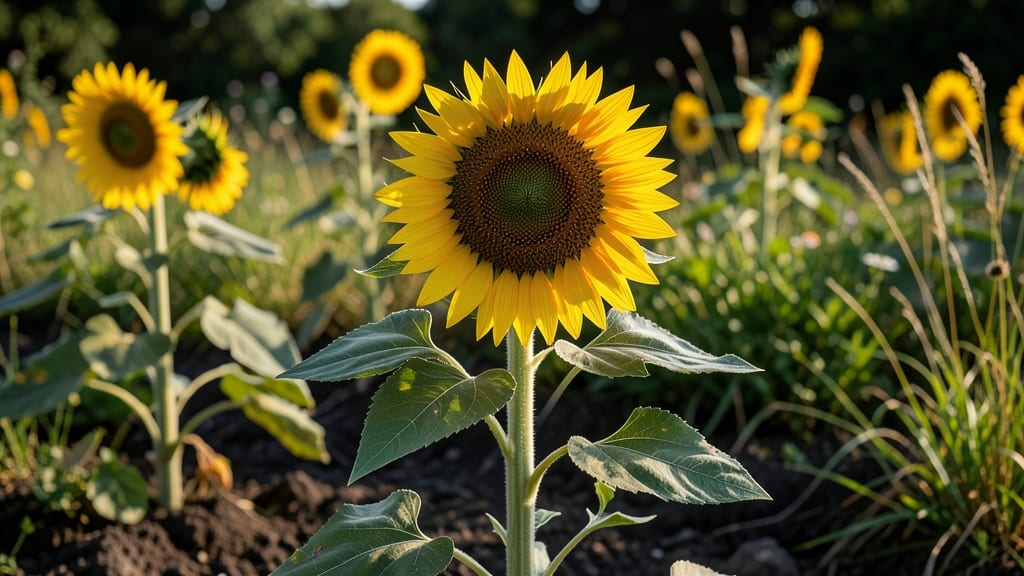
Timing your sunflower bloom time just right means the difference between a summer garden full of golden 🌻 faces and waiting months for those cheerful blooms to appear. Whether you're dreaming of towering 12-foot giants or compact 2-foot dwarfs, knowing exactly when to plant sets the stage for success.
Most sunflowers planted in Zone 6 after the last frost—typically April 15—will burst into color between July and September, but the variety you choose makes all the difference.
Giant varieties like 'Mammoth' can take up to 120 days to bloom, while dwarf types like 'Teddy Bear' may flower in as little as 50 days, giving you flexibility for seasonal displays.
If you're eager to see those bright faces earlier—or extend their season into fall—there are proven strategies to adjust bloom timing. From soil prep to sunlight tricks, I’ll share the key adjustments that make a real impact without complicated work.
Ready to turn your garden into a sunflower spectacle? Let’s break down the exact days to bloom for popular varieties and how to fine-tune your planting schedule for the most vibrant results.
Sunflower bloom time by variety: giant vs. dwarf sunflowers compared
If you're dreaming of towering sunflowers that turn heads in your garden, timing is everything. The bloom time for sunflowers varies dramatically depending on whether you're growing giant varieties or dwarf sunflowers.
Giant sunflowers like 'Russian Giant' can take 100-120 days to bloom, while compact varieties like 'Teddy Bear' burst into color in just 50-60 days. Understanding these differences helps you plan for seasonal color or harvest seeds at the perfect time.
For gardeners eager to see quick results, fast-blooming annuals are the way to go. These varieties not only provide instant garden color but also attract pollinators early in the season.
Whether you're aiming for a summer-long display or need blooms for a specific event, choosing the right variety ensures you hit your target timeline with precision.
Here's how different sunflower varieties stack up in terms of days to maturity and peak bloom periods. This comparison will help you decide which sunflowers to plant based on your growing season and space constraints.
| Variety | Height | Days to Maturity | Peak Bloom Period | Best For |
|---|---|---|---|---|
| Russian Giant | 10-14 ft | 100-120 days | Late summer | Dramatic displays, seed production |
| Mammoth | 8-12 ft | 90-110 days | Mid to late summer | Cut flowers, pollinators |
| Autumn Beauty | 5-7 ft | 60-80 days | Early to mid summer | Long-lasting blooms, containers |
| Teddy Bear | 2-3 ft | 50-60 days | Early summer | Small spaces, quick color |
| Moulin Rouge | 4-6 ft | 60-70 days | Early summer | Cut flowers, vibrant colors |
| Sunspot | 2-4 ft | 55-65 days | Early summer | Containers, pollinators |
When planning your garden, consider the maturity timeline alongside your local last frost date. For example, if your last frost is in early May, planting Teddy Bear sunflowers in late April will give you blooms by early June.
In contrast, Russian Giant sunflowers planted at the same time won't reach maturity until late August or September, making them ideal for a fall harvest.
For gardeners in cooler climates, medium-height varieties like 'Autumn Beauty' strike a balance. They bloom faster than giants but still provide long-lasting color throughout the summer. These varieties are perfect for cut flower arrangements or adding height to garden beds without overwhelming smaller spaces.
If you're growing sunflowers for seed production, timing is critical. Giant varieties like 'Mammoth' need the full growing season to develop high-quality seeds. Plant them early in spring to ensure they mature before the first frost.
For dwarf varieties, you can even extend your planting season into early summer for a second round of blooms.
Don't forget that soil temperature and sunlight exposure also influence bloom time. Sunflowers thrive in full sun and well-draining soil. If your plants aren't getting enough light, they may take longer to bloom or produce smaller flowers.
Amending your soil with compost can also speed up growth and encourage earlier blooming.
How to speed up sunflower bloom time: pro tips for faster blooms
Want those golden sunflower blooms to appear weeks earlier? The secret lies in timing and care—not just luck. Sunflowers thrive when planted at the right time, given the perfect growing conditions.
I’ve tested these strategies in my garden, and they cut bloom time by 2-3 weeks without compromising plant health. Let’s dive into the proven methods that work.
First, planting time is everything. Most sunflowers need 60-120 days to bloom, but starting seeds indoors 4-6 weeks before your last frost date (around March 15 in Zone 6) gives them a head start.
Transplant seedlings outdoors after April 15 when soil temps hit 55°F+. This early jumpstart shaves critical days off your bloom timeline.
- 1. Soil Prep: Amend soil with compost (2-3 inches) to boost nutrients. Sunflowers love nitrogen-rich soil but need balanced phosphorus for root growth. Test pH—aim for 6.0-7.0.
- 2. Sunlight Strategy: Place seeds in the sunniest spot (6+ hours/day). Move containers if shade appears. South-facing areas accelerate growth by 15%.
- 3. Watering Hack: Water deeply 2x/week (1-2 gallons per plant) instead of daily light sprinkles. This prevents shallow roots and speeds up stem thickening.
- 4. Fertilizer Boost: Use a 5-10-10 NPK fertilizer at planting and again when stems hit 12 inches. Avoid over-fertilizing—too much nitrogen delays blooming.
- 5. Thin Seedlings: Space plants 12-24 inches apart (check variety tags). Crowding stresses plants, slowing bloom time by 10-15 days.
Many gardeners make costly mistakes that delay blooms. Overwatering is a top offender—sunflowers hate soggy roots. I once drowned my seedlings by watering daily, and their bloom time stretched to 100+ days instead of 70.
Another pitfall? Planting too late. If you miss the April 15 window in Zone 6, blooms may not appear until September, cutting your viewing season short.
For fastest results, pair these tips with dwarf varieties like 'Teddy Bear' (50-day bloom) or 'Little Becka' (55 days). These compact types mature quicker than giants, making them ideal for container gardens or small spaces.
Even in my 6x6-foot raised bed, dwarf sunflowers bloomed in 6 weeks—a full month ahead of standard types.
Pro tip: Harvest spent blooms to encourage a second flush of flowers. Once the center turns brown, snip the stem 2 inches below the bloom. This redirects energy to side buds, giving you extra weeks of color. I’ve extended my sunflower season by 30 days using this trick alone.
Ready to see those bright faces sooner? Start with indoor seedlings, prioritize sunlight, and avoid common watering mistakes. With these adjustments, you’ll enjoy sunflowers blooming weeks ahead of schedule—no waiting required! 🌻